 Sakshi Bafna
36% of Children Under 5 in India Have Stunted Growth Due To Malnourishment
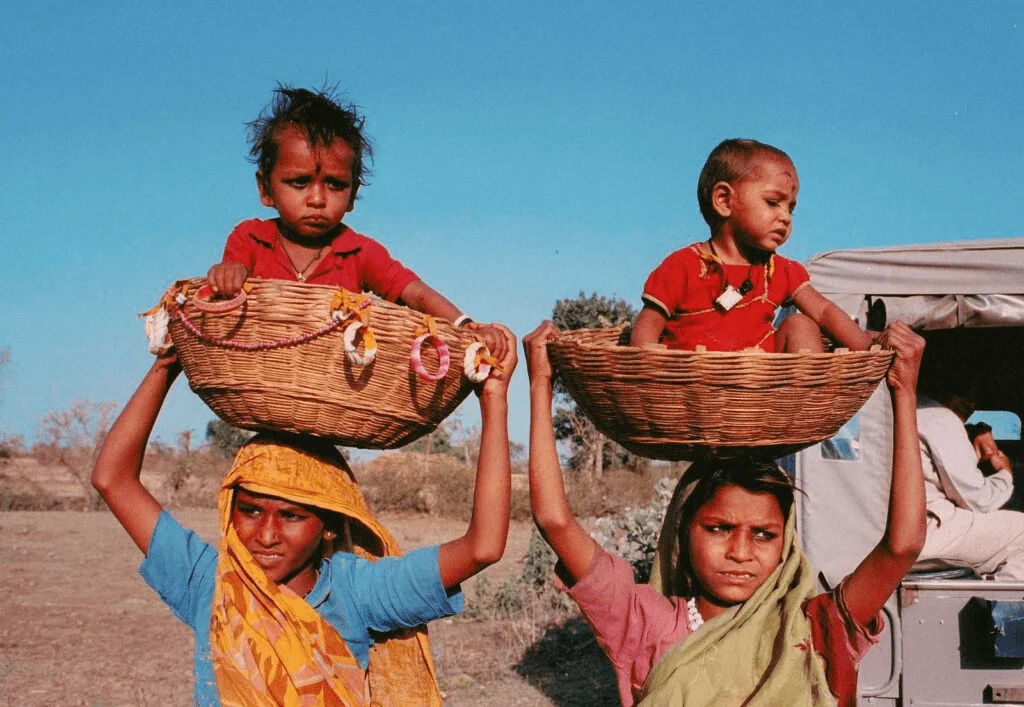
A comprehensive analysis by the Public Health Foundation of India and UNICEF reveals that 36% of children under five years old in India suffer from stunted growth due to chronic malnourishment. The report, released in August 2022, identifies regional disparities and dietary deficiencies as primary contributing factors.
National Family Health Survey Findings
The NFHS-5 survey covering 2019-2021 found that stunting prevalence ranges from 27% in Kerala to 48% in Jharkhand. The study analyzed data from 636,000 children and identified poverty, maternal education levels, and access to clean water as key socioeconomic determinants of child nutrition outcomes in India.
Nutritional Deficiencies
Analysis by the International Food Policy Research Institute shows that inadequate intake of protein, iron, zinc, and vitamin A are the primary causes of stunted growth. The Indian Council of Medical Research recommends daily iron and folic acid supplementation for pregnant women, along with expanded mid-day meal programs in schools serving 120 million children.
Economic Implications
A 2018 study in Lancet Global Health estimated that malnutrition costs India 5.5% of GDP annually in lost productivity and healthcare expenses. The World Bank’s Human Capital Project ranks India 112th out of 174 countries in health and education outcomes for children.
Intervention Programs
The Poshan Abhiyan scheme, launched by the Ministry of Women and Child Development in 2018, aims to reduce stunting by 2022. Early evaluation by IFPRI found a 5% reduction in stunting in intervention districts, with improvements in complementary feeding practices and maternal health services.
Global Context
UNICEF’s State of the World’s Children 2022 report identifies India as one of 40 countries responsible for 80% of global stunting. The report recommends scaling up proven interventions including breastfeeding support, micronutrient supplementation, and WASH infrastructure improvements.
Nutrition and health coverage: WHO mental health systems reform and Air pollution health impacts.