 Sunita Somvanshi
If you've reached for a cold and flu sachet and a paracetamol tablet on the same bad day, you need to check the label first. A 20-year-old student, Riley Lubas, nearly died after unknowingly combining two over-the-counter medicines that both contained paracetamol.
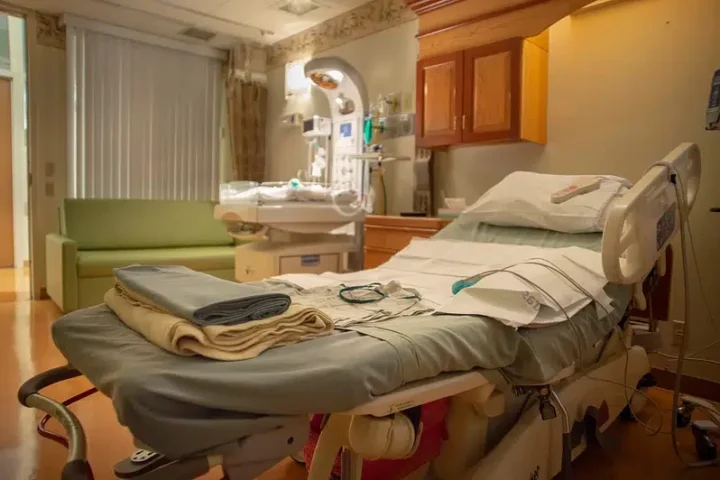
Lubas, a University of Bath creative-media student, developed a bad cold in March 2025 and took two different over-the-counter medicines without realizing both contained paracetamol. Within days he developed stomach pain and couldn't keep food down, prompting a call to NHS 111, which directed him to a hospital emergency department. His liver began failing, and he was transferred to King's College Hospital in London, where he went into multiple organ failure and was placed on life support and dialysis. He reached the top of the UK's liver transplant list before his liver began recovering on its own, and he was off life support within two weeks, later relearning to walk and talk during recovery. He now works as a bartender in Newport, Wales.
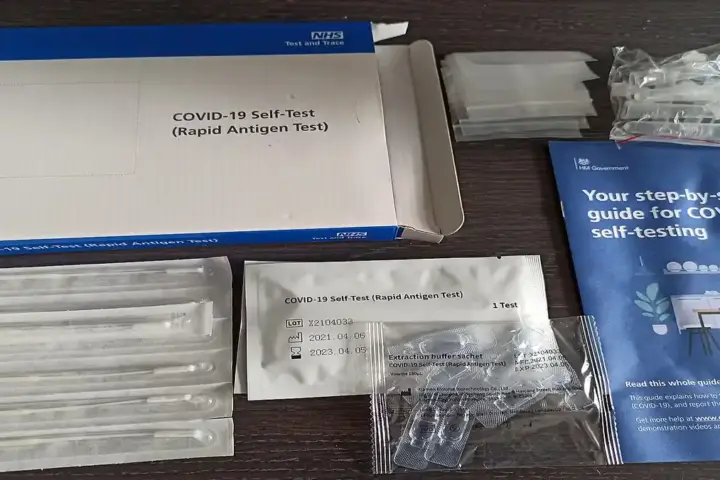
NHS guidance is direct on this point: do not take paracetamol alongside another medicine that already contains paracetamol, including many common cold and flu remedies. Many multi-symptom cold sachets and hot drink formulas contain 1,000 mg of paracetamol per sachet, a standard adult single dose, so adding separate paracetamol tablets on top can quietly push a person well past the safe daily limit without any obvious warning sign until organ damage has already begun.
How This Kind of Overdose Happens Without Anyone Noticing
The case illustrates how duplicate active ingredients can be missed when products are marketed for different symptoms. Cold and flu products are marketed and packaged around symptom relief — sold as remedies for congestion, aches or fever — rather than clearly flagged as paracetamol products, which makes it easy to miss that they share an active ingredient with a plain paracetamol pack sitting in the same medicine cabinet. Lubas took both products every few hours over several days as his symptoms worsened, gradually doubling his paracetamol intake without any single dose feeling excessive on its own.
Paracetamol poisoning is a leading cause of acute liver failure in the UK. Research has estimated roughly 100,000 A&E attendances and about 50,000 hospital admissions annually in the UK for paracetamol overdose, though these estimates are based on older datasets and include both intentional and accidental cases. UK clinical data on severe paracetamol-related liver injury shows intentional self-poisoning is the dominant pattern rather than accidental double-dosing — one hospital cohort found roughly three-quarters of cases were intentional overdoses, with a much smaller share, under a fifth, unintentional. Accidental double-dosing of the kind Lubas experienced remains a real and documented risk, even though it is not the most common cause of severe cases overall.
What to Do If You've Made This Mistake
The NHS advises seeking medical help if you've taken more than the recommended dose of paracetamol, even if you feel completely fine, since the guidance applies regardless of symptoms. Warning signs that can appear include nausea, vomiting and stomach pain, which is what prompted Lubas to call 111. Reading the active ingredients list on every medicine box, not just the brand name or marketed symptom, is the most reliable way to avoid combining products that overlap.
Frequently Asked Questions
Can you take paracetamol with cold and flu medicine?
You should not take paracetamol alongside another medicine that already contains paracetamol, including many cold and flu remedies, because you risk unintentionally taking too much. NHS guidance advises seeking medical help if you've taken more than the recommended amount, even without symptoms.
Riley Lubas has made a full recovery after nearly two weeks in intensive care and now works as a bartender. His case is a reminder to check the active ingredients on every medicine box before combining products for the same illness. Anyone unsure whether they've taken more than the recommended amount of paracetamol should contact NHS 111 immediately.