 Tejal Somvanshi
People looking for ways to reduce belly fat may ask whether a particular vegetable or food will help. The evidence reviewed here does not support that expectation. No vegetable or food selectively burns abdominal fat, and no food causes belly-fat loss within one week.
A study supported by the National Institutes of Health and the National Institute of Diabetes and Digestive and Kidney Diseases examined this topic using data from the Wake Forest IRAS Family Study in Obesity. The analysis used CT measurements from 1,114 participants. Over five years, each 10-gram daily increase in soluble fiber was associated with 3.7% less visceral-fat accumulation. Moderate activity, defined as 30 minutes two to four times weekly, was associated with 7.4% less accumulation.
These findings are population-level associations. They do not prove that any one food changes an individual’s result. The study concerns visceral-fat accumulation over time rather than rapid loss, so it should not be read as evidence about short-term changes in any person’s body.
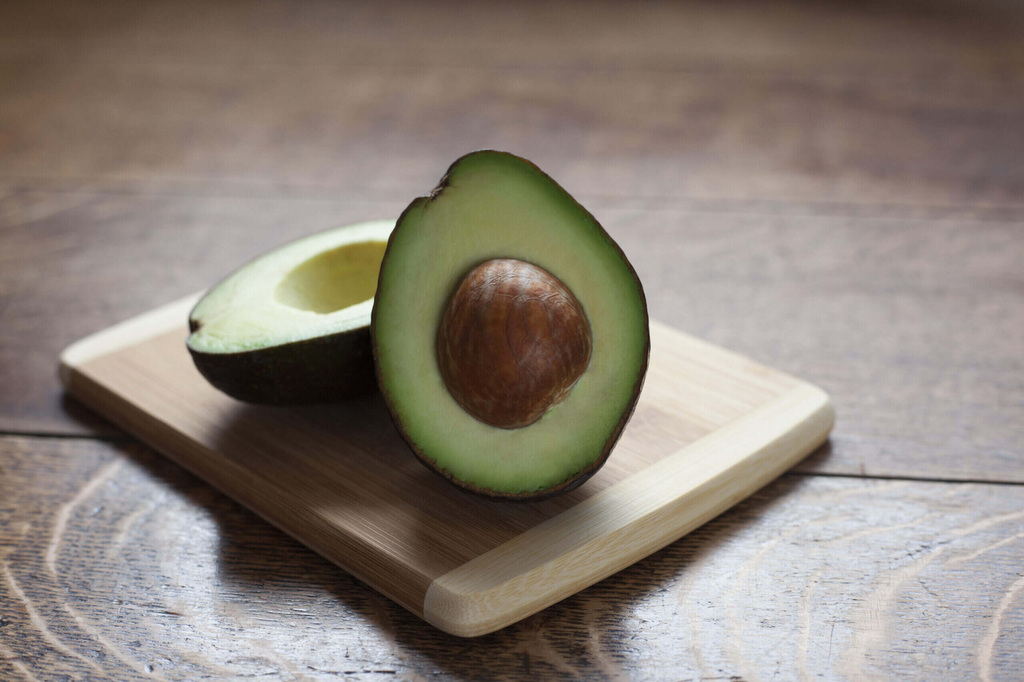
The source material discusses beans, Brussels sprouts, avocado, sweet potato, broccoli, and carrots in connection with this topic. It does not give per-serving fiber figures for any of these foods, so it cannot establish how much of a given food corresponds to the associations described above.
These results describe population-level associations among participants in the study. They do not establish how any single person’s visceral-fat measurements will change if that person adopts a specific food. The material also does not describe a mechanism by which any food acts on visceral fat, so none is offered here.
People who have a diagnosed disease or take medication should discuss any dietary change with a clinician.
Claims that a single vegetable or food will reduce abdominal fat are not supported by the evidence reviewed here.