If you are looking up at the sky tonight and wondering what phase the Moon is in, here is the answer. The Moon Phase on September 15, 2026 The Moon is a
The next few weeks offer several reasons to look up at night. Venus is visible in the evening sky during September, the autumnal equinox arrives September 23, the Harvest Moon appears September 26, and the Orionid meteor shower peaks in
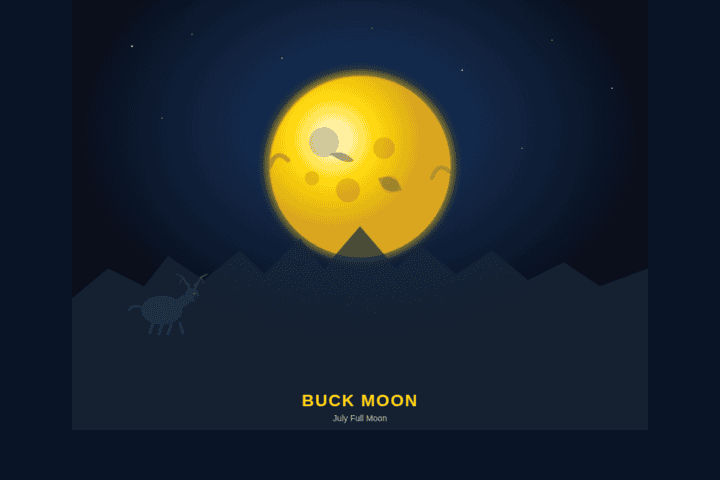
July’s full moon, traditionally called the Buck Moon, reached its peak illumination on July 29, 2026, rising in the constellation Capricorn. The name dates
July’s full moon, traditionally called the Buck Moon, reached its peak illumination on July 29, 2026, rising in the constellation Capricorn. The name dates to Native American and colonial folk traditions that
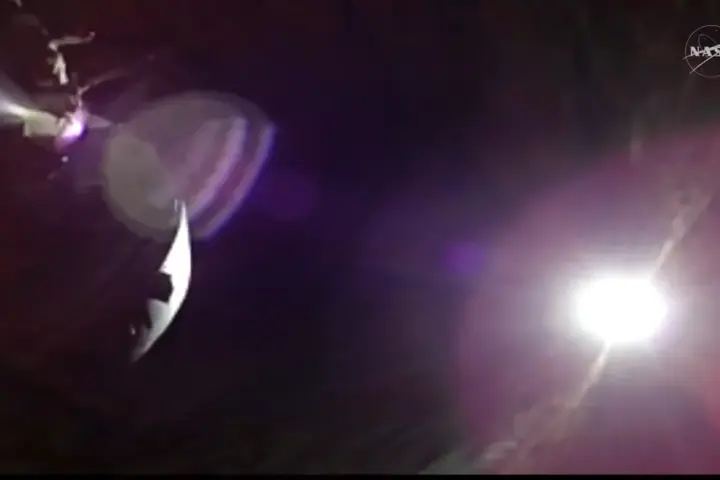
Artemis II: Humans Venture Farthest From Earth Since 1972 📡 Mission In Progress Artemis II’s Orion spacecraft views a solar eclipse from behind the Moon. Photo: NASA | Public Domain Space Exploration
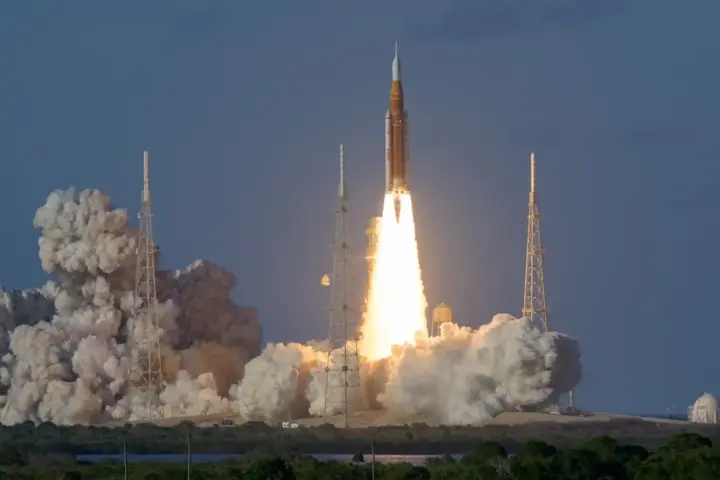
Artemis II: Humanity Returns to the Moon | KarmActive 🌕 Space · April 1, 2026 Four Astronauts areHeading to the Moon Artemis II lifts off — humanity’s first crewed lunar voyage in
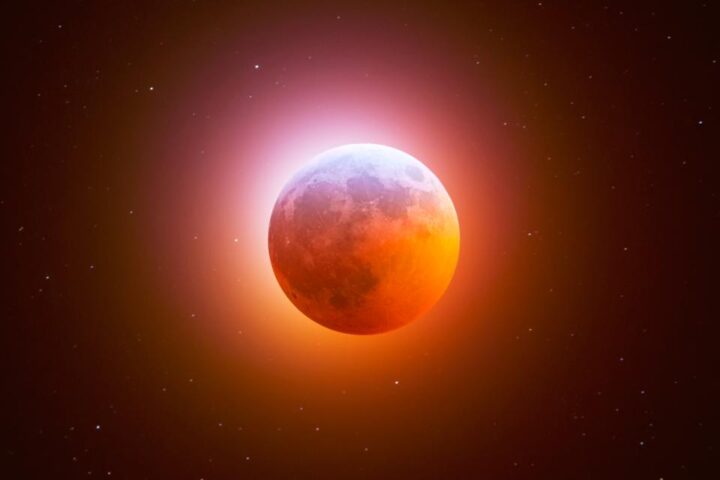
Blood Moon March 3, 2026 — Total Lunar Eclipse Guide Total Lunar Eclipse · March 3, 2026 When the Moon Turns Blood Red Over North America A complete guide to the 2026
Blood Moon March 2026 — Total Lunar Eclipse Australia 🔴 Total Lunar Eclipse · March 2026 · Australia Australia’s Sky TurnsBlood Red on March 2 The first total lunar eclipse of 2026
Quasi‑moon 2025 PN7 — Simple Explainer 2025 PN7 is a small near‑Earth asteroid moving in step with Earth around the Sun (1:1 resonance). It was spotted by Pan‑STARRS in August 2025. Archival
SPACE • POLICY Musk trades barbs with acting NASA chief Sean Duffy as Artemis lander contract faces review Source: Flickr/NASA HQ Contract $2.9B Human Landing System (HLS) for Artemis III (SpaceX) Acting
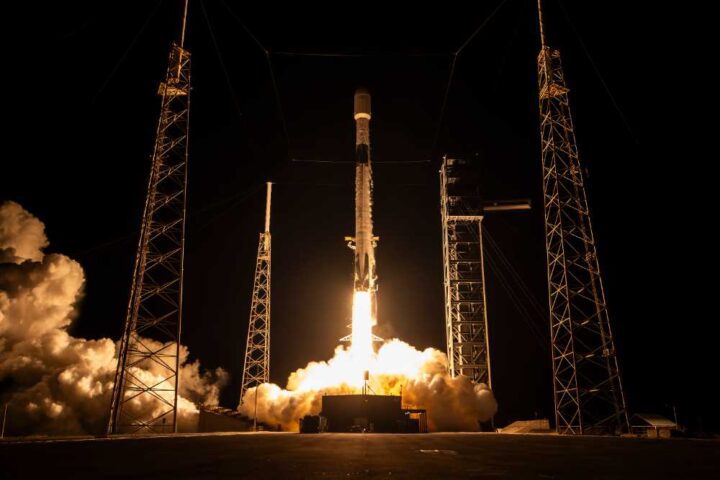
Launch & Testing Starship Flight 11 — V2 Finale With Booster & Ship Splashdowns, Starlink Deploy Demo, and Engine Relight Window opened 7:15 p.m. EDT (2315 GMT) on Oct 13 at Starbase,
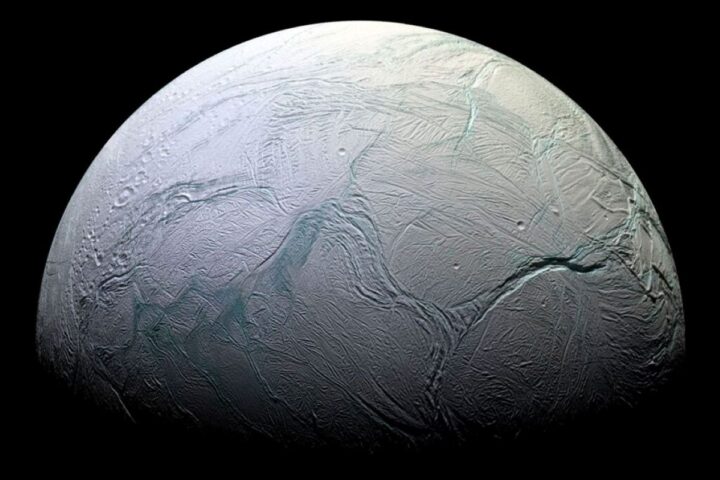
Scientists have discovered new types of organic molecules in ice grains ejected from Saturn’s moon Enceladus, bolstering the possibility that this small, icy world could support life. The discovery comes from a


 Sonali Tiwary
 Karmactive Team
 Rahul Somvanshi
 Sunita Somvanshi