 Sonali Tiwary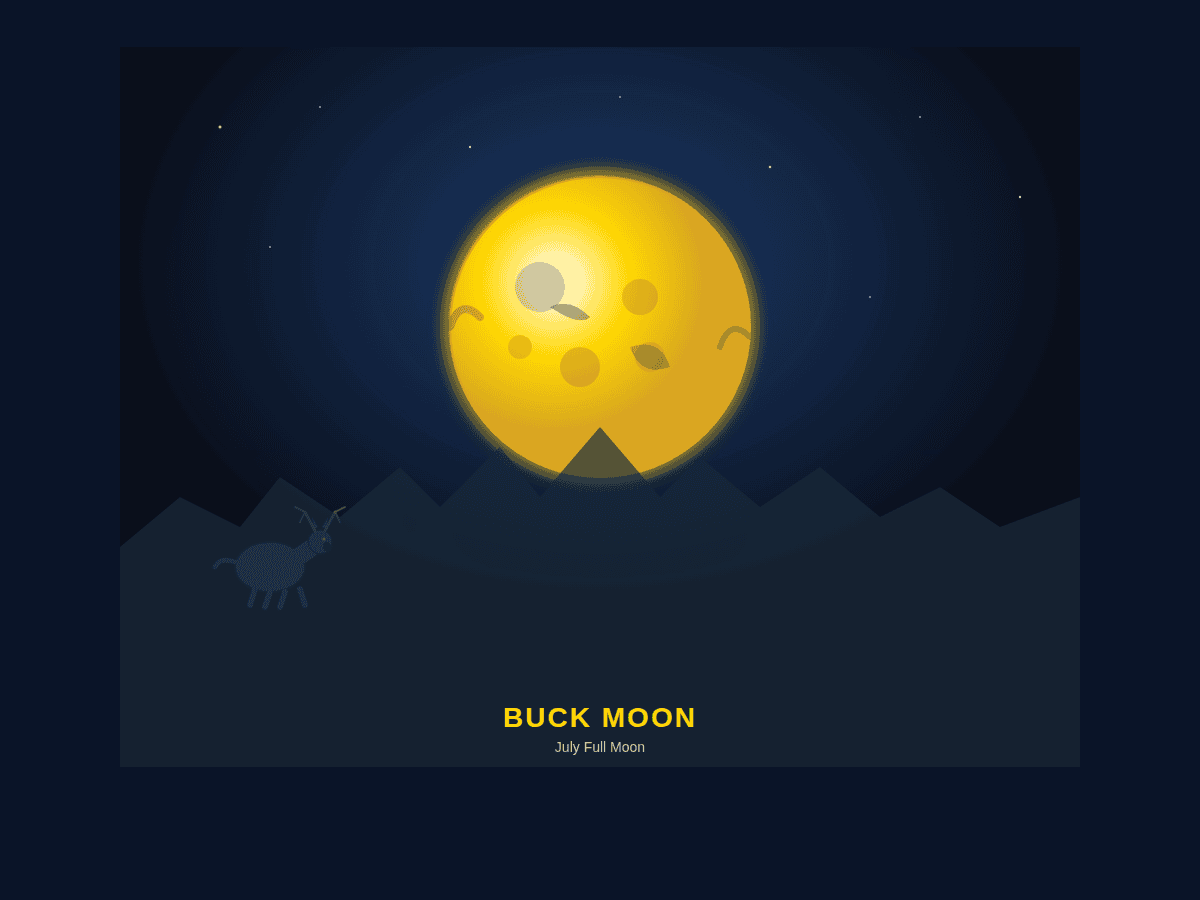
July’s full moon, traditionally called the Buck Moon, reached its peak illumination on July 29, 2026, rising in the constellation Capricorn. The name dates to Native American and colonial folk traditions that associated the July full moon with the time when male deer begin to grow their new antlers — a process that accelerates through late summer.
The Buck Moon appears in the southeastern sky after sunset and remains visible throughout the night, setting near dawn. At peak fullness, the moon sits approximately 357,000 kilometers from Earth, making it a fairly average-distance full moon rather than the closer “supermoon” configuration that generates a larger apparent size and greater brightness.
In 2026, the Buck Moon occurs in Capricorn — the sea-goat constellation. For those interested in the cultural and astrological dimensions of full moon cycles, the Capricorn placement is associated with reflection on goals and practical commitments, though these interpretations carry no scientific basis.
From a purely astronomical perspective, the full moon is the lunar phase in which the Moon appears fully illuminated from Earth’s viewpoint, occurring when Earth sits roughly between the Moon and the Sun. The Moon’s own light is entirely reflected sunlight — it generates no light of its own.
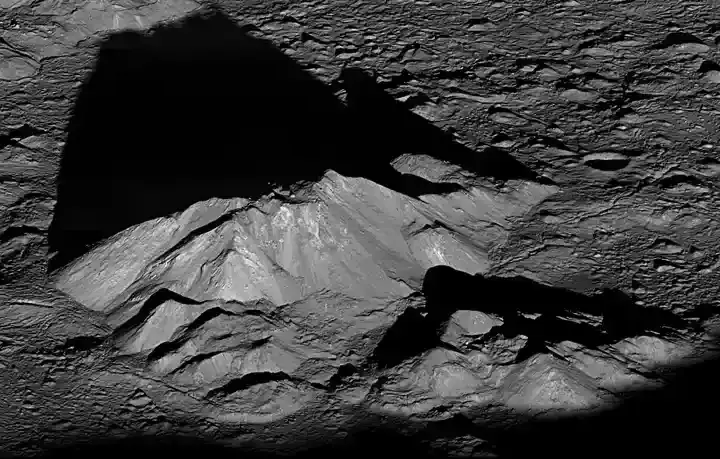
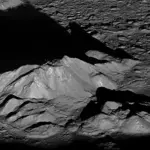
For best viewing, find an open area away from artificial light pollution, ideally with a clear southeastern horizon for moonrise. No special equipment is required, though binoculars or a small telescope will reveal lunar surface details including the Maria — the dark basaltic plains formed by ancient volcanic activity — and prominent crater formations.
The NASA Moon portal provides moonrise and moonset times by location, along with historical information about lunar exploration and the Moon’s role in Earth’s tidal systems.
The next full moon after the Buck Moon is the Sturgeon Moon, typically falling in August and named in the same folk tradition by the Algonquin peoples of North America.