Sunita Somvanshi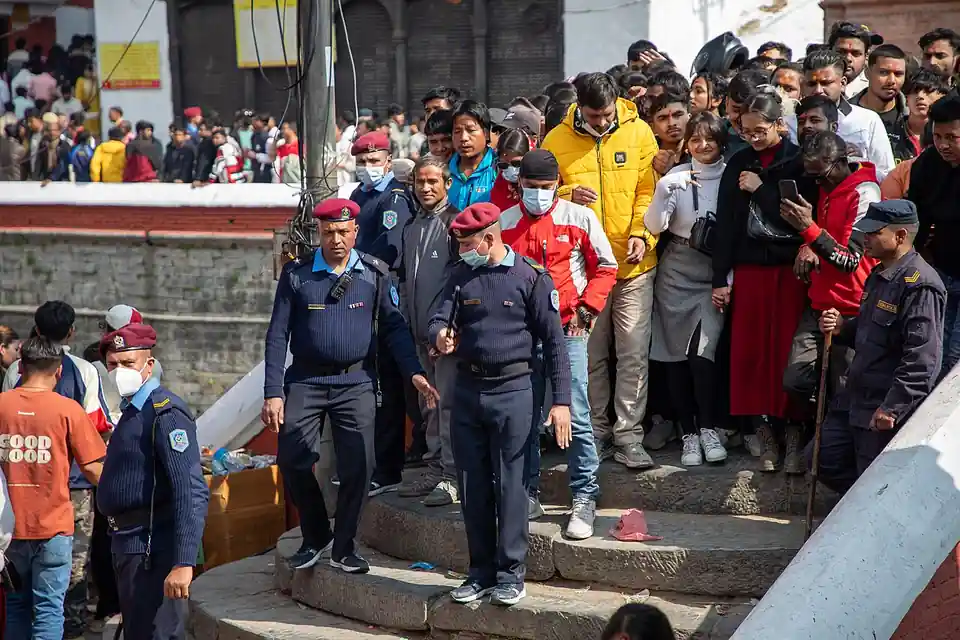
A tragic religious gathering turns deadly as police and devotional chaos collide.
On Monday morning, a pilgrimage to one of Bihar’s holiest temples turned tragic when a stampede claimed at least seven lives and left twelve others injured. The incident occurred at the Indramaneshwar Temple in Ashokdham, Lakhisarai district—one of Bihar’s oldest Shiva temples—during the third sombari of Shravan month, a particularly auspicious time when Hindu devotees seek blessings and spiritual renewal.
The tragedy unfolded around 6:40 a.m. when approximately 50,000 devotees converged on the temple. According to eyewitnesses, disaster struck when some youngsters attempted to force their way through the carefully arranged queue, breaking past police barricades that had been erected for crowd control. As the barriers gave way, devotees in the queue fell on one another in a chaotic crush. The majority of those killed were women.
The sheer scale of the gathering created dangerous conditions long before panic set in. The queue to enter the temple stretched for over six kilometers, with pilgrims waiting an average of four hours just to access the shrine. The temple’s infrastructure was overwhelmed by the massive congregation, and witnesses blamed inadequate crowd management for allowing the situation to become life-threatening.
Adding fuel to the crisis, rumors began spreading among the devotees that an electrical current ran through one of the poles near the entrance. Whether this was true or merely panicked speculation, the report triggered immediate fear. As word spread, frightened pilgrims began running, transforming an already dangerous bottleneck into a deadly crush. Locals and fellow devotees attempted heroic rescues, pulling trapped individuals from the chaos, but their efforts could not contain the scale of the emergency.
Bihar Chief Minister Samrat Choudhary expressed his grief over the incident, calling it “heart wrenching.” He announced an ex-gratia payment of ₹4 lakh for the families of those who died and issued directives ensuring immediate medical treatment for the injured. While government compensation is necessary, it offers little comfort to families who lost loved ones in what many view as a preventable tragedy.
This incident highlights ongoing challenges in crowd management at major Hindu pilgrimage sites across India, where massive congregations can overwhelm existing infrastructure and safety measures. As authorities continue their investigation into the specific failures that led to this tragedy, the focus will likely shift to determining what systemic improvements are needed to prevent similar incidents at religious gatherings nationwide.
The families affected by Monday’s tragedy join those impacted by previous stampedes at Indian religious sites, underscoring the need for comprehensive safety protocols that protect devotees while allowing them to practice their faith. As India’s pilgrimage season continues, temples and authorities must urgently implement comprehensive crowd management systems—improved barriers, trained personnel, emergency protocols, and realistic capacity limits. Religious devotion should never demand such a sacrifice.