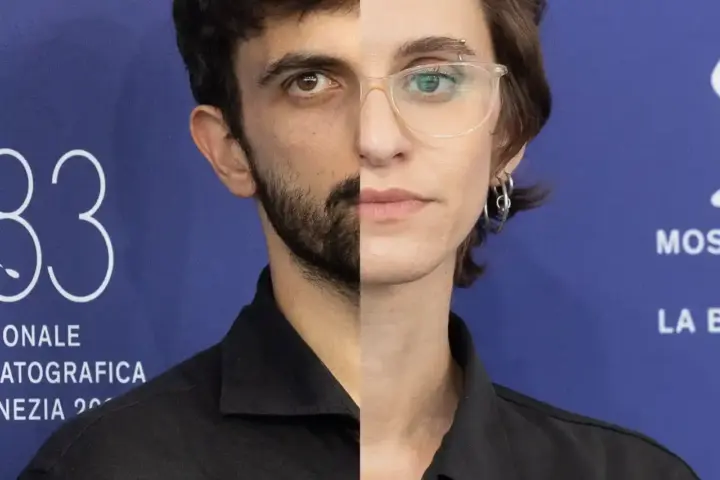
Sunita Somvanshi
A documentary called NAZA won the Special Jury Prize at the Venice International Film Festival in September 2026. Its directors, Yuval Abraham and Rachel Szor, are Israeli citizens. Within days of the award, senior Israeli government ministers publicly called for the pair to lose their citizenship. The Israeli prime minister said he would pursue legislation to allow it, according to Reuters reporting. The question at the centre of this story is not whether the film is accurate — that is a separate, contested dispute — but whether Israeli law can actually do what ministers are demanding.
NAZA was directed by Abraham and Szor and officially confirmed by Venice’s festival records as a Competition entry that received the Special Jury Prize. The film focuses on Gaza and, according to reporting by Reuters and The Guardian, includes allegations about civilian casualties and targeting practices that Israel’s government and military reject. The Israeli Culture and Sports Minister, Miki Zohar, accused the directors of treason and called for formal action to revoke their citizenship. Prime Minister Netanyahu said he would seek legislative changes enabling courts to impose higher damages on those who, in his description, defame Israeli soldiers, according to Reuters.
This confrontation raises questions for documentary filmmakers and investigative journalists working in conflict zones. If proposals to revoke nationality are applied to cultural expression, domestic creators in contested democracies may face new forms of legal risk that extend beyond physical safety. Film festivals, streaming platforms, and broadcast buyers are watching this case for its implications on commissioning and distribution agreements with filmmakers operating under state pressure.
Neither director’s citizenship had been revoked as of the reports available from 16–18 September 2026. The available coverage describes proposals and ministerial statements, not a completed legal action. Reuters reported that Netanyahu’s position was to seek new legislation rather than apply existing law as it stands.
The Legal Limits of Citizenship Revocation
Israel’s Citizenship Law contains provisions relating to revocation in cases involving convictions for terrorism or acts against state security. Applying a loyalty-based argument to a documentary film and its directors would represent a significant expansion of that law’s scope, according to Israeli legal commentators quoted in international media.
Any attempt to revoke citizenship would raise questions under Israeli law and international human-rights standards, including protections against arbitrary deprivation of nationality and statelessness. The precise legal position would depend on the wording of any proposed bill and whether the directors held another nationality. The Israeli Attorney General’s formal response to ministerial requests for legal action had not been made public in reporting through 18 September.
The Venice Biennale’s official records establish the film’s competition status and award independently of the political controversy that followed. That institutional record is a fixed reference point regardless of how the legal dispute develops.
Has Israel revoked the directors’ citizenship?
No. The available reporting describes threats and proposed legal action, not a completed revocation. Culture Minister Miki Zohar called for the directors to lose their citizenship, while Prime Minister Netanyahu said he would pursue legislation, according to Reuters. Any final legal outcome requires either court action or new legislation. Check back when the Israeli Attorney General’s formal response is published.