Karmactive Team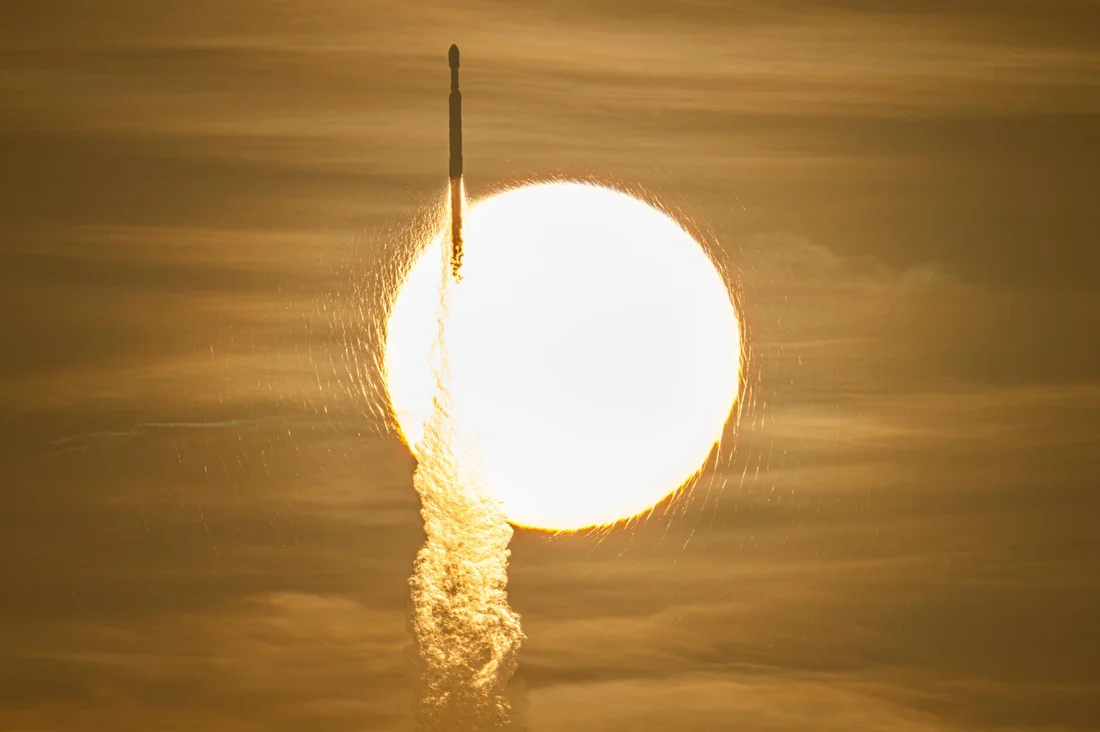
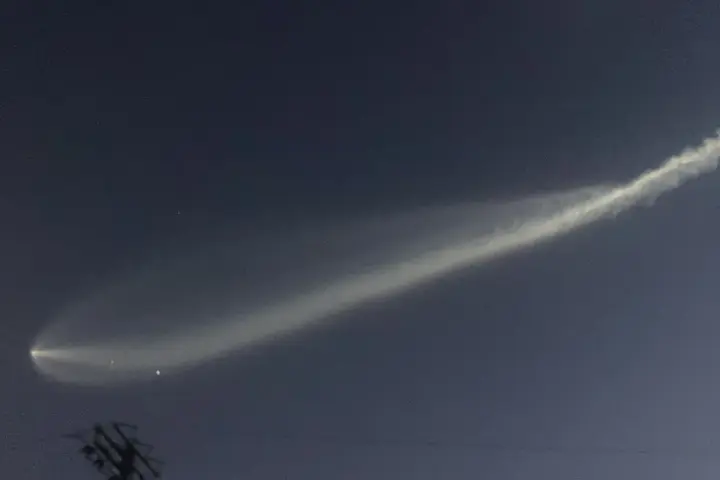
NASA’s Nancy Grace Roman Space Telescope launched successfully on August 30 at 7:26 a.m. EDT from Kennedy Space Center, riding a SpaceX Falcon Heavy rocket. The observatory is now traveling toward an orbital position nearly 1 million miles from Earth, where it will spend years surveying the sky for planets outside our solar system and studying cosmic forces.
Where is the telescope headed?
Roman is traveling to an orbit around the second Sun-Earth Lagrange point, L2, about 1 million miles from Earth. It will spend roughly three months travelling to L2 and going through its initial commissioning activities. Once it arrives, NASA engineers will spend additional time testing and calibrating its instruments before the telescope starts real science work. Roman’s scientific observations are expected to begin after its commissioning period, with NASA currently describing science operations as beginning in early 2027.
What makes this telescope different from Hubble?
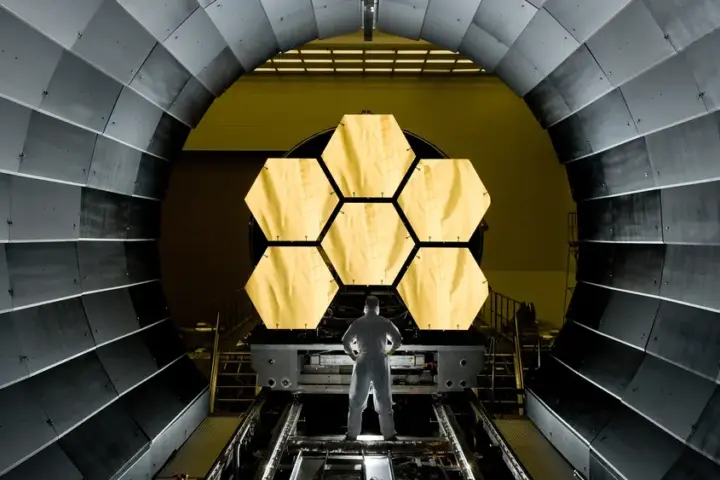
Roman isn’t replacing the Hubble Space Telescope or the James Webb Space Telescope. It’s built to work alongside them. Its biggest advantage is its field of view — the amount of sky it can capture in a single image is at least 100 times larger than Hubble’s, while still producing images just as sharp. Roman is optimized for wide, rapid surveys, whereas Hubble and Webb are better suited to narrower, detailed observations.
Think of it like the difference between a telephoto lens and a wide-angle lens. Hubble and Webb can obtain highly detailed observations of selected regions and targets, while Roman is particularly optimized for very wide surveys.
How many new planets could it find?
NASA estimates Roman will discover roughly 100,000 new exoplanets. That would dramatically expand the current count of confirmed exoplanets, which has surpassed 6,300. Roman will also study dark energy and dark matter, two poorly understood components of the universe.
Why does this matter to the public?
One detail sets Roman apart from many past missions: Roman’s science data will be publicly available after processing, without the conventional exclusive-access period. After processing, Roman’s science data will be publicly available, allowing researchers and the public to access the mission’s scientific archive.
What happens next?
Roman will coast toward L2, unfold its components, and undergo testing. NASA has not yet announced an exact date for the first published images, but the agency has said that the launch-to-commissioning sequence is approximately three months. Until then, Roman remains a machine in transit, carrying a mission to help reshape understanding of the planets we know exist beyond our own solar system.