 Govind Tekale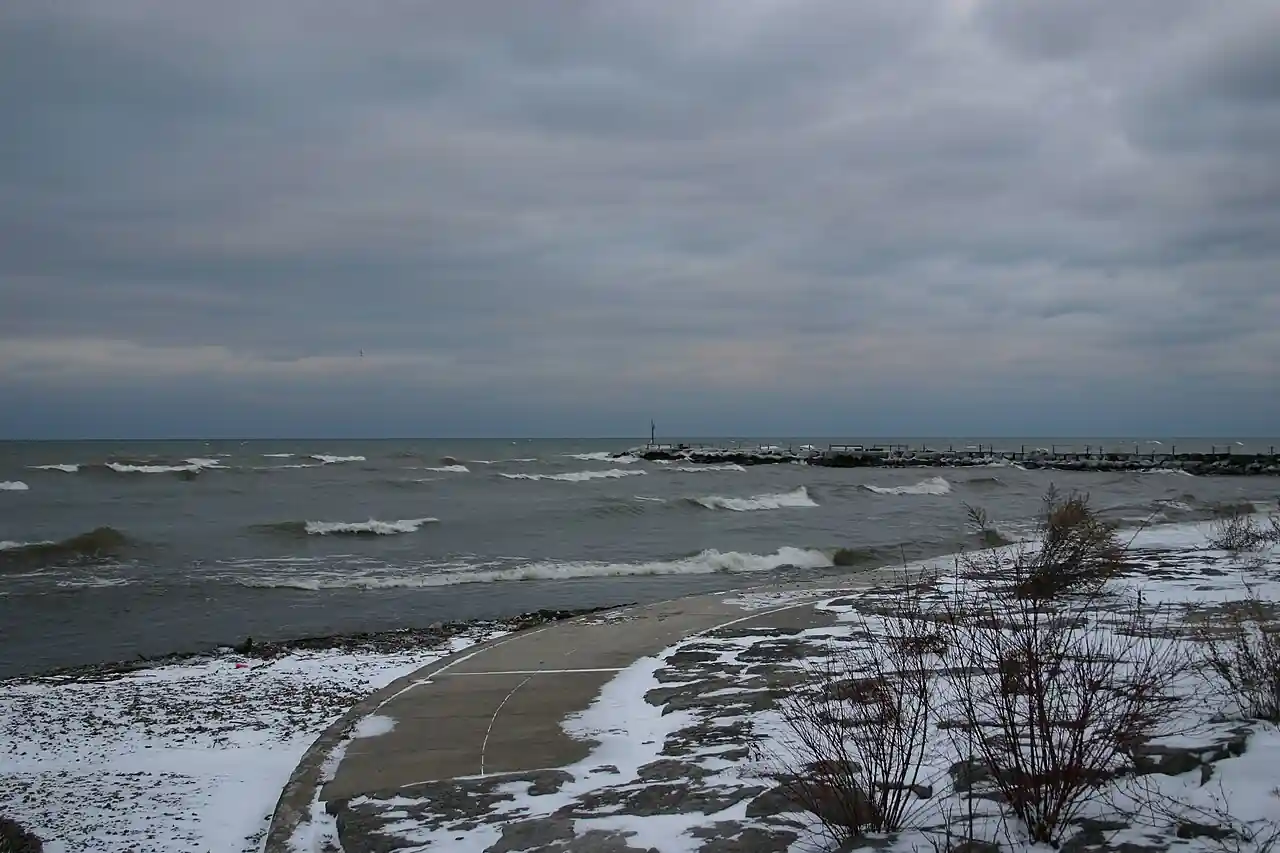
The geopolitical geography of North America shifted dramatically in August 2026 when the White House announced a major naming change. The U.S. Board on Geographic Names updated its database to reflect the official renaming of Lake Ontario as Lake America, following an executive order that took effect within days—by late August 2026.
The change sparked immediate controversy. Canada's Geographical Names Board formally maintains Lake Ontario as the official designation, rejecting the unilateral U.S. action. The two nations share governance of the 7,340-square-mile freshwater body through the International Joint Commission, making the naming dispute not merely symbolic but a precedent-setting challenge to bilateral water management frameworks.
The Great Lakes Water Management framework relies on cooperative naming and data-sharing protocols, and the unilateral U.S. rename highlights growing tensions over how nations assert sovereignty over shared resources. Maps updated within days globally, with Google Maps displaying jurisdiction-specific names depending on user location—a technical adaptation that underscores the geopolitical friction beneath this naming move.
Historical context matters. The Gulf of America was renamed in early 2025 in a similar executive order. Lake America’s renaming follows the same pattern of geographic nomenclature reassertion, though international water bodies carry more complex implications than coastal zones. Canadian officials have stated publicly that they will continue official usage of Lake Ontario in all federal databases, educational materials, and treaty references.
The practical impact remains unresolved: shipping records, environmental monitoring data, and academic publications must navigate dual naming systems. The International Joint Commission has not yet issued guidance on whether the renaming affects treaty language or bilateral water-quality reporting. For now, Lake America exists primarily in U.S. federal systems while Lake Ontario persists in Canadian official documentation—a geographic contradiction that reflects the broader diplomatic stalemate.