 Govind Tekale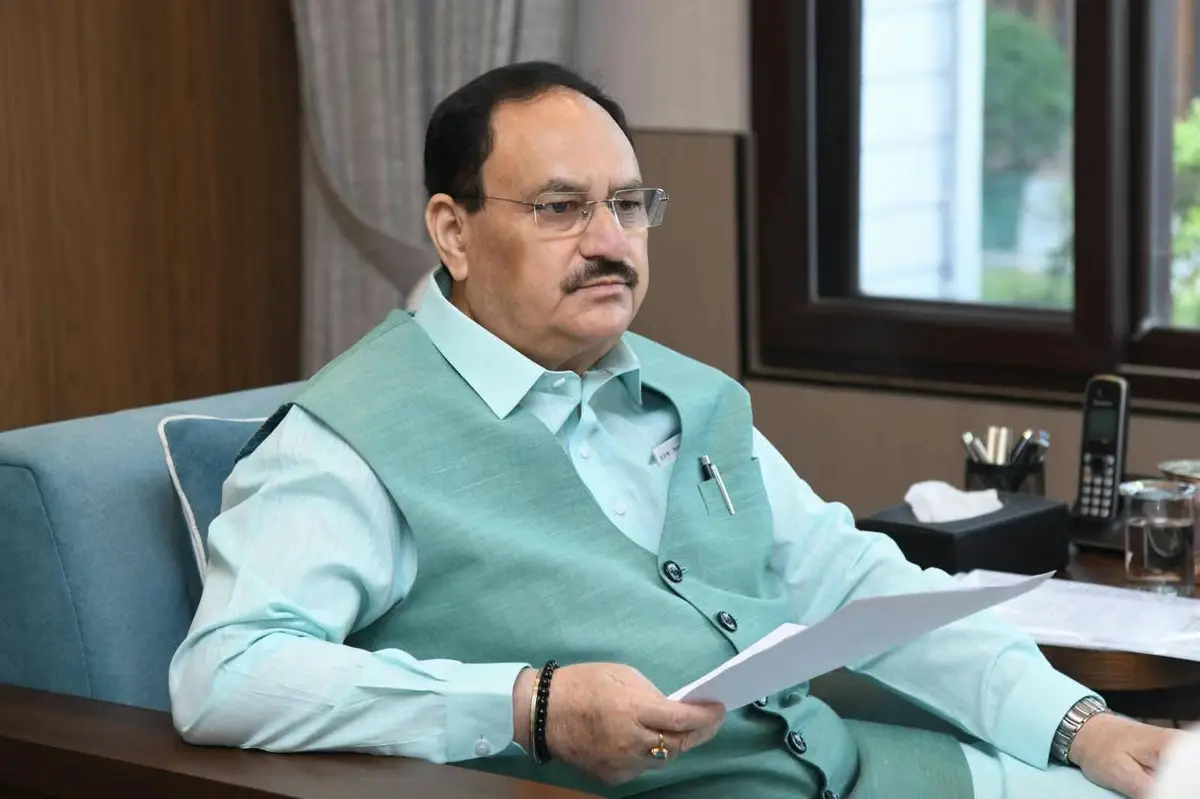
On August 27, 2026, Union Health Minister J.P. Nadda met with representatives of the Reservation Hatao Andolan (anti-reservation protest movement) in New Delhi. According to available reports, Nadda described the discussion with protest representatives, though substantive positions on reservation policy remained unchanged.
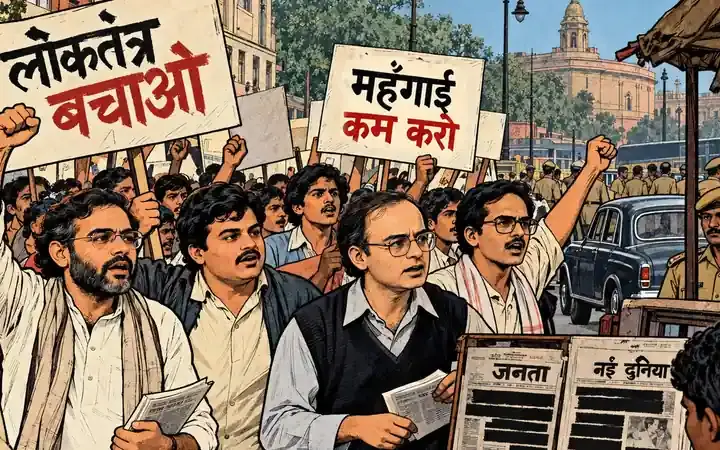
The Reservation Hatao Andolan had organized a nationwide demonstration on August 21, 2026, at Delhi’s Jantar Mantar. Protesters called for India’s affirmative action framework to use economic criteria rather than caste-based classification as the primary basis for reservation eligibility and institutional access.
However, it is critical to distinguish between a meeting and a policy decision. The August 27 meeting between Nadda and protest representatives represented a dialogue, not a government decision to alter reservation policy. Similarly, a protest demand does not constitute a government commitment to implement that demand or to modify constitutional frameworks.
The Union Cabinet, following discussions on the reservation debate, reaffirmed the Government of India’s position that the constitutional framework established by Dr. B.R. Ambedkar remains the foundation for reservation policy. Official government statements have noted that the “creamy layer” doctrine—which applies economic criteria to limit reservations among wealthy members of backward classes—does NOT apply to Scheduled Caste and Scheduled Tribe reservations under the current constitutional framework.
The Supreme Court of India issued a significant ruling in August 2024 in State of Punjab v. Davinder Singh (2024 INSC 562), with a 6:1 majority decision. The majority opinion held that individual states may sub-classify SC and ST populations using empirical data, allowing targeted reservations within the larger SC/ST framework. However, four justices issued non-binding observations regarding the application of creamy-layer criteria to SC/STs—these observations are NOT binding precedent and do not represent the Court’s holding on that specific issue.
The constitutional authority over reservation policy remains with the Parliament of India and with the President, who maintains the authority to modify the SC/ST lists under Articles 341 and 342 of the Constitution. The August 27 meeting and ongoing public discourse do not alter these constitutional and legislative frameworks or the authorities responsible for policy decisions.