 Sonali Tiwary
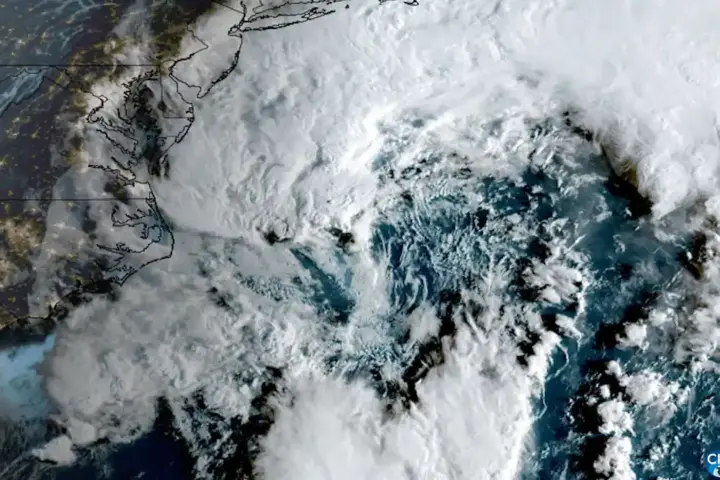
On the night of August 13, 2026, tropical depression Peilou moved over Chiba Prefecture in eastern Japan, releasing rainfall that exceeded 100 millimeters per hour in some areas. The deluge was not an isolated event — it was the second act of a one-two punch. Tropical Storm Dolphin had already saturated the region from August 8 to 12, leaving soil unstable and drainage systems overwhelmed when Peilou’s rains arrived. This back-to-back pattern is what pushed the Japan Meteorological Agency (JMA) to issue its highest possible alert: a Level 5 Emergency Warning for heavy rain and landslides. (For context on Tropical Storm Dolphin’s earlier impact, see karmactive’s coverage at super-typhoon-dolphin-2026-philippines-japan.)
Chiba City recorded 11.5 centimeters of rainfall in a single hour — a record for the prefecture. In Sakura City, another 9.7 centimeters fell in just sixty minutes. When water encounters soil that is already fully saturated from days of prior rainfall, it cannot penetrate or disperse — it runs off rapidly, joining existing surface water in a cascading flood. The JMA noted that this sequential storm impact was a key factor in the Level 5 alert, as soil saturation after Tropical Storm Dolphin eliminated the ground’s natural absorption capacity.
Government and meteorological agency communications emphasized that residents should view these systems as a single, extended weather crisis rather than two separate events. This framing influenced evacuation messaging and informed decisions to keep shelters at heightened capacity even as Dolphin subsided. Prefectural officials worked through the night of August 13 to coordinate emergency response teams, with the Chiba Prefectural Government’s disaster response headquarters activating at 22:00 JST.
Record Rainfall and Landslide Risk—What JMA’s Level 5 Alert Means
The Japan Meteorological Agency issued a Level 5 Emergency Warning for heavy rain and landslides on August 13, marking the absolute highest alert tier in Japan’s five-tier warning system. This classification indicates immediate, life-threatening danger requiring urgent protective action from residents in affected zones. The warning covered Chiba’s eastern and southern prefectures, where steep topography and forested hillsides create elevated landslide risk when ground conditions are saturated.
JMA’s decision to issue Level 5 reflected not rainfall alone but the specific hazard profile: the combination of extreme rainfall rates, already-saturated soil from Tropical Storm Dolphin, and elevated terrain that channels runoff into concentrated flow paths. The agency later downgraded the alert to Level 4+ as the rate of rainfall subsided around midday on August 14. Level 4+ still indicates ongoing life-threatening conditions, particularly for landslides in Chiba’s hilly terrain, where ground saturation after two successive storms increases collapse likelihood even after the worst rainfall has passed.
The Level 5 designation activated prefecture-wide emergency protocols, including mandatory evacuation orders for approximately 100,000 residents in the most vulnerable zones. Chiba Governor Kumagai Toshihito expressed condolences for the lives lost and pledged to prioritize saving lives, minimizing damage, and exploring measures to facilitate a swift recovery. The scale of the response — the largest peacetime evacuation in Chiba’s recent history — reflects Japan’s systematic disaster preparedness framework refined through decades of typhoon and flood experience.
Narita Paralyzed: 7,000 Stranded as Flights Scramble
Narita International Airport, situated roughly 60 kilometers east of central Chiba’s heaviest rainfall zone, was buffeted directly by Peilou’s wind and rain bands. On August 13, as conditions deteriorated, airport management suspended all ground transportation: shuttle buses stopped running due to flooding on regional roads, and JR East halted the Narita Express trains connecting the airport to central Tokyo and Chiba city.
The decision left approximately 7,000 passengers unable to leave the airport terminals or reach accommodations in nearby cities. Narita’s operator confirmed that airlines, working in coordination with airport management and Japanese government officials, arranged emergency overnight shelter within the terminals. Passengers were offered meals, blankets, and cots in designated holding areas. Communication challenges emerged as real-time updates in English and other languages were delayed by the rapid deterioration of conditions.
By August 14 morning, as conditions improved, ground transportation was restored in phases. However, the incident emphasized Japan’s vulnerability: Narita serves as a critical international hub handling approximately one-third of Japan’s international passenger traffic. The stranding echoed comparable incidents from Typhoon Hagibis in October 2019, when similar cascades of transportation failures left travelers similarly stranded for extended periods across the Kanto region.
Death Toll Across Kanto: 8 Regional, 4 Chiba-Specific
According to NHK World, eight people have died across the broader Kanto region, which includes Chiba, Ibaraki, and Tochigi prefectures. Of these, at least four deaths occurred within Chiba Prefecture, according to BBC reporting and local government channels. The distinction between the two figures reflects geographic scope: the remaining four regional deaths occurred in neighboring prefectures also affected by the same Peilou system.
Details emerging from rescue operations documented victims found along flood-swollen roads, some trapped in vehicles swept by fast-moving water. In one reported case near a rural road in southern Chiba, a driver attempting to cross a flooded underpass did not emerge; rescue teams recovered the body after water levels subsided. Similar incidents were reported in Ibaraki Prefecture, where flooding along smaller rivers and tributaries claimed lives despite evacuation orders in place.
Five additional people across the region were injured — some from falls during evacuation, others from debris in floodwaters. One person remained missing as of August 14 evening, prompting ongoing search efforts by local fire departments and volunteer rescue organizations. These figures underscore that the emergency response window remains open; casualty counts may yet shift as searches continue.
Five people were injured and one person remains missing as of August 14 evening, according to BBC reporting. In Japan’s disaster-response tradition, confirming death tolls carefully rather than quickly is standard practice, ensuring accuracy for official records and proper notification of families.
Infrastructure at the Limit: Power Outages and Train Suspensions
Tokyo Electric Power Company (TEPCO) reported approximately 20,000 households without power across Chiba, Ibaraki, and Tochigi prefectures as of 2:00 p.m. on Friday, August 14, according to NHK reporting. The outages were concentrated in the eastern tier of Honshu most exposed to the low-pressure system’s passage. Power lines downed by wind, utility poles toppled by saturated soil, and transformer failures from water ingress forced rolling blackouts even as crews worked to isolate damaged sections and restore service to priority facilities — hospitals, water-treatment plants, and emergency centers.
Restoration efforts proceeded in phases on August 14, with TEPCO prioritizing trunk lines and substations serving residential areas and critical infrastructure. Full restoration was estimated to extend beyond August 14, with rural and remote areas potentially offline for several days. The power restoration timeline became a critical factor in evacuee welfare, as shelter facilities and temporary housing needed electricity for lighting, refrigeration, and communication.
JR East, the operator of Japan’s largest regional rail network, suspended all services across the Kanto region — including the Narita Express, Sobu Main Line, Chiba Line, and multiple local branches — from mid-morning on August 13 through mid-morning on August 14. Track flooding, signaling system failures from water damage, and debris on rights-of-way necessitated a comprehensive shutdown. This paralysis extended commute times for millions of commuters across the Tokyo metropolitan area and isolated communities beyond Chiba that depend on JR connections for regional transit.
As rainfall eased and track inspections progressed on August 14 afternoon, JR East began phased service restoration, initially operating at reduced frequency with speed restrictions through areas of recent flooding. Commuters and businesses faced compounded delays as thousands of workers struggled to reach offices and factories.
Evacuation Scale and Shelter Response—Japan’s Disaster Playbook in Action
Japanese local and prefectural governments activated evacuation orders covering approximately 100,000 residents across Chiba Prefecture, issued in tranches as rainfall rates and landslide risk assessments intensified. Prime Minister Sanae Takaichi released a public statement on August 13 acknowledging the emergency and urging residents to comply with evacuation guidance. Chiba Prefectural Governor Kumagai Toshihito held an emergency response meeting with regional disaster-management agencies, coordinating resource allocation and messaging.
Approximately 1,800 residents sheltered at the Chiba Prefectural Government’s emergency facility, while thousands of others moved to municipal evacuation centers in schools, gymnasiums, and community halls across the prefecture. These shelters provided meals, medical support, and coordination with social services. Elderly residents and those with mobility limitations received priority transportation assistance, reflecting protocols refined through decades of typhoon and flood events.
The scale of evacuation — 100,000 people — is substantial but not unprecedented in Japan’s recent history. In 2019, during Typhoon Hagibis, comparable numbers of evacuations occurred across multiple prefectures. Japanese municipal governments have developed practiced routines for opening shelters, arranging transportation, managing communication, and coordinating with police and fire services. However, challenges persisted: not all evacuees relocated; some sheltered in-place in upper floors of homes, judging flood risk lower than the logistical burden of evacuation. Others, unwilling to leave possessions behind, initially resisted orders. Local officials employed patience and repeated messaging in multiple languages — Japanese, Portuguese, Vietnamese, Chinese, and English — to reach immigrant communities unfamiliar with Japan’s disaster protocols.
Recovery Begins: Power Restored, Trains Resume
As Peilou moved inland and rainfall subsided by late August 14, the focus shifted to immediate recovery and damage assessment. Mud and debris required removal from flooded homes and streets; standing water in basements needed pumping; and infrastructure inspections were conducted across all affected zones. Power restoration proceeded at accelerating pace, though some rural areas remained offline as crews reached the most isolated locations. Train services operated under speed restrictions and reduced schedules, with JR East confirming full restoration would take several more days.
Businesses suffered interruption: manufacturing facilities dependent on power and water access suspended operations; retail establishments in flooded areas sustained stock damage; restaurants and small shops lost perishables during blackouts. Agricultural areas in Chiba’s rural interior may face crop losses if flooding persisted long enough to damage ripening harvests.
Japanese government and prefectural disaster-response budgets allocate funds for emergency aid to affected households and businesses, though application processes and eligibility criteria limit initial disbursement. Voluntary organizations and community groups already mobilized to provide food, temporary accommodation, and cleanup assistance to isolated communities. Insurance claims began arriving as residents and businesses documented damage for submission to insurers, though not all flood damage is typically covered by standard Japanese homeowners’ policies. This coverage gap has been a persistent policy challenge in Japan’s post-disaster recovery framework.
Conclusion
On August 13–14, 2026, Chiba Prefecture experienced record-breaking rainfall as tropical depression Peilou arrived, following Tropical Storm Dolphin’s saturation of the region. Eight people died across the broader Kanto region, with four fatalities in Chiba Prefecture itself, and five were injured with one missing. Approximately 20,000 households lost power across three prefectures, 7,000 travelers were stranded overnight at Narita Airport, and 100,000 residents were placed under evacuation orders. The Japan Meteorological Agency’s Level 5 Emergency Warning — later downgraded to Level 4+ — reflected the life-threatening severity of the event. Recovery efforts began on August 14 with phased restoration of power and rail services.