 Karmactive Team
Peatlands are also known as bogs, marshland or even mires. They are a type of wetlands but very beneficial for the environment. This incredible landscape absorbs carbon from the environment, decreasing the ambient temperatures.
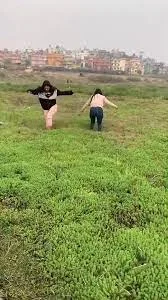
This video surfaced online showcasing the fun side of the peatlands. A group of Kathmandu locals are seen having fun on this wobbly landscape. Due to the water below a thick layer of vegetation, the ground can be seen moving in a wavy manner.
Peatlands are a carbon sink at the same time it can be such an adventure. Hope to see more peatlands everywhere.
The International Peatland Society reports that peatlands cover only 3% of Earth land surface yet store approximately 550 billion tons of carbon – more than all forests worldwide.
Draining peatlands for agriculture or forestry releases stored carbon as CO2. The UK Environment Agency notes that degraded peatlands contribute 5% of the nation greenhouse gas emissions annually.
Restoration efforts led by the IUCN UK Peatland Programme aim to re-wet 100,000 hectares of UK peatland by 2025, potentially sequestering 3.2 million tons of CO2 equivalent annually.
Walkers exploring peatlands must use designated boardwalks to prevent further degradation. The Peatland Code certifies restoration projects that deliver measurable carbon credits and biodiversity benefits.
Climate scientists recommend protecting existing peatlands through reforestation and avoiding drainage for agricultural conversion.
Carbon credits generated through verified peatland restoration projects provide financial incentives for landowners to maintain these ecosystems rather than converting them to other uses.
Walkers exploring peatlands support conservation funding through entrance fees paid to nature reserves. These protected areas employ local guides and researchers who monitor ecosystem health and prevent illegal drainage activities.
Related: Peatlands, The Terrestrial Carbon Sinks Of The Planet –
Related: Canada EU Associate Member: Mark Carney Pursues Closer Europ