 Karmactive Staff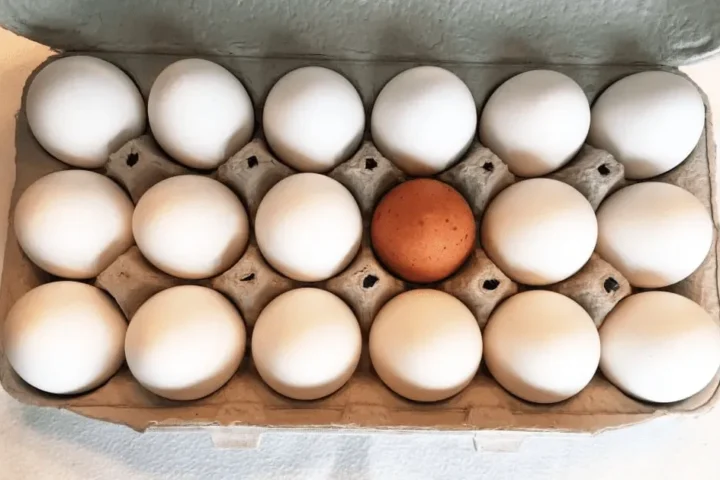
Estimated reading time: 2 minutes
Nearly 19 million eggs are being pulled from shelves across America after health officials linked them to a dangerous salmonella outbreak. The problem isn’t just the infection—it’s that the bacteria strain resists common antibiotics doctors use to treat serious cases.
The eggs came from Midwest Poultry Services, an Indiana-based producer operating farms in Texas. Between June 6 and July 3, 2026, their operation distributed the contaminated eggs to supermarkets and restaurants. The outbreak has sickened people in 17 states. Buyers can spot the recalled products by checking for codes P-1950 or 0840962 printed on the side of cartons—not the top—with sell-by dates between July 20 and August 17, 2026.
So far, the outbreak has sickened 98 people. More concerning, 26 of those ended up hospitalized. No deaths have been reported yet, but the antibiotic resistance aspect worries health officials. Whole genome sequencing showed the strain predicts nonsusceptibility to ciprofloxacin and resistance to nalidixic acid—antibiotics doctors normally use for serious cases. When salmonella becomes resistant to these common drugs, treatment becomes much harder, especially for vulnerable groups like young children and elderly people.
The recalled eggs appeared under multiple brand names including Kroger, Simple Truth, Brookshire’s, Country Morning, and Sunups. They were sold in bulk and individual packs containing 6, 12, 18, 24, 30, 36, or 60 eggs.
The FDA and CDC continue investigating. Midwest Poultry Services responded by diverting remaining eggs to processing facilities where they’re heated to kill any bacteria. The company said it wasn’t aware of illnesses when it issued the recall on July 22.
For consumers, the message is clear: check your refrigerator now. If your eggs match the codes and dates, throw them out. Cook eggs thoroughly until both whites and yolks are firm. Avoid eating raw or undercooked eggs. Wash hands, utensils, and surfaces that touched raw eggs. These steps matter because salmonella can cause severe illness in people with weakened immunity.