Sunita Somvanshi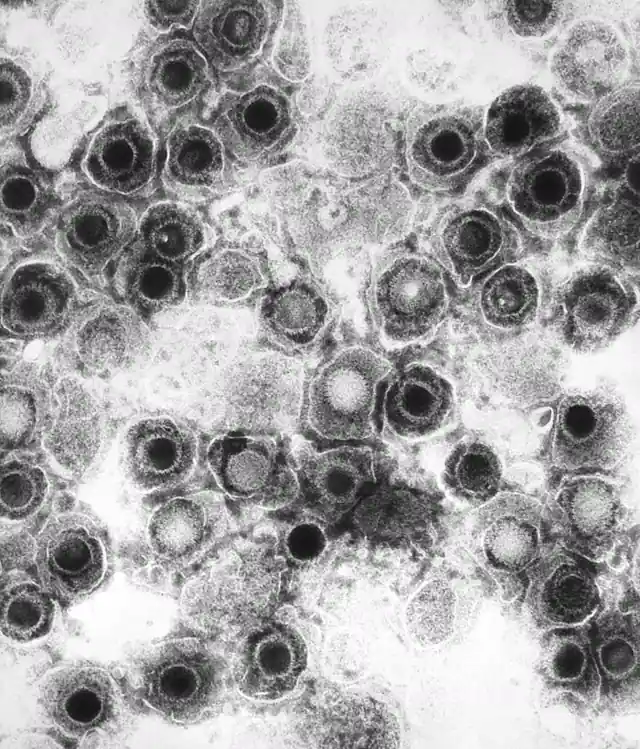
COVID-19 does more than cause an acute infection: it can also wake viruses that have lain quiet in the body for years. A new study of the coronavirus and its aftermath finds that severe illness reactivates a roster of dormant viruses – and pins one poorly understood family to long COVID.
Published in Nature, the work analysed multi-omic data from 1,154 hospitalized patients in the U.S. National Institutes of Health’s IMPACC study, spanning 15 biomedical institutions. Within 40 days of admission, the researchers identified 11 reactivated viruses, most often Epstein-Barr, herpes simplex 1, cytomegalovirus and members of the Anelloviridae family, according to the peer-reviewed paper in Nature.
The standout finding involved Anelloviridae, a group of viruses carried by about 90 per cent of people yet rarely studied. Its reactivation showed a prominent association with long-term physical disability and long COVID. “This association with long COVID is an interesting finding as millions around the world suffer from this chronic condition,” said Ofer Levy of Boston Children’s Hospital, a site principal investigator. Boston Children’s Hospital summarised the result for a general audience.
The team also uncovered a surprise about mechanism. Rather than reactivating because the immune system was suppressed, Epstein-Barr and cytomegalovirus appeared to switch on in response to inflammation – challenging the long-held view that chronic viral reactivation mainly follows immunosuppression. The pattern held even in patients with apparently functioning immune systems during severe illness, suggesting inflammation itself can flip these latent infections back on.
Roughly 50,000 Americans died of COVID in the 2025-2026 respiratory season, and estimates suggest more than 10 million U.S. adults live with long COVID, Levy noted. Earlier work on COVID prevention underscores how much remains unknown about the virus’s long tail. The researchers now plan to trace how the immune system responds to these reactivated viruses through the course of illness, aiming to spot the best moments for intervention before disability sets in.