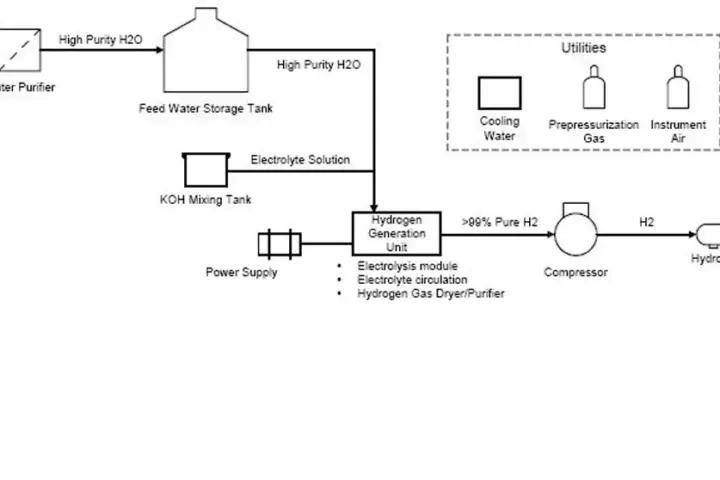
A University of Birmingham catalyst splits water into hydrogen at 150–500°C using waste heat from steel and cement plants, potentially undercutting green and blue hydrogen on cost.
Battery Tech New Freezing Method Reveals True Chemistry of Lithium Metal Batteries Cryo‑XPS flash‑freezes cells before X‑ray photoelectron spectroscopy, preserving the lithium anode interface for a more faithful read‑out of surface chemistry. 📍 Stanford University • Source: Stanford News Feature
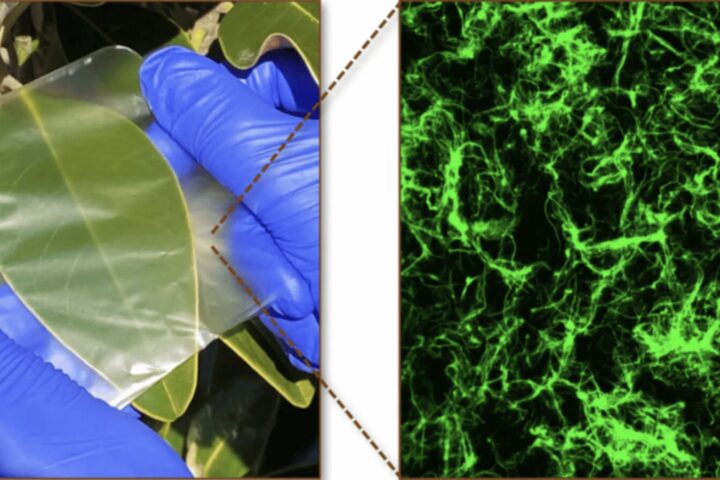
Scientists at Monash University have created natural plastic films from food waste sugars that could eventually replace petroleum-based packaging materials. This breakthrough addresses the
Specialists from a university in Australia used coffee grounds waste to modify the components used in concrete production, making it stronger and more eco-friendly. The creators of the coffee concrete went ahead
Researchers from RMIT University have developed a new type of “green concrete” that contains twice the amount of recycled coal ash compared to existing low-carbon concrete and requires half the amount of
The world has been confronted with the challenges of climate change, particularly the need to reduce fossil fuel use to achieve climate goals. Researchers from North Carolina State University have discovered a
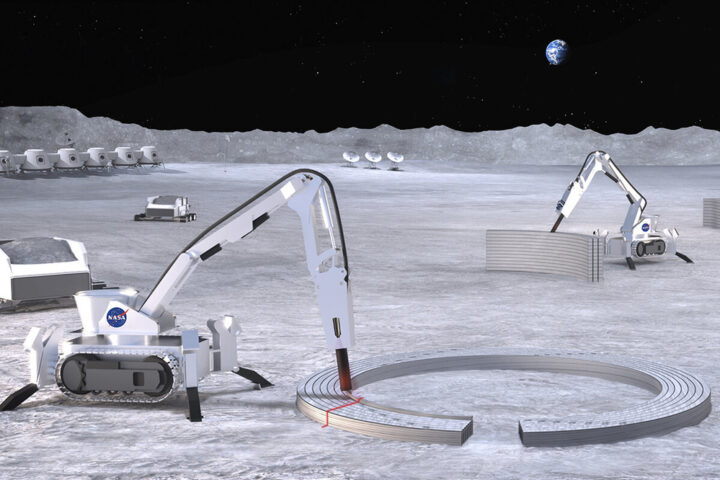
In the grand narrative of space exploration, a transformative chapter is being written – not in the stars, but in the labs and research centers of Earth. As NASA’s Artemis 3 mission
In the dynamic landscape of sustainable construction, C-Crete Technologies is making waves with its innovative zeolite-based concrete. Zeolite was used as the binder instead of Portland cement on November 16 for the
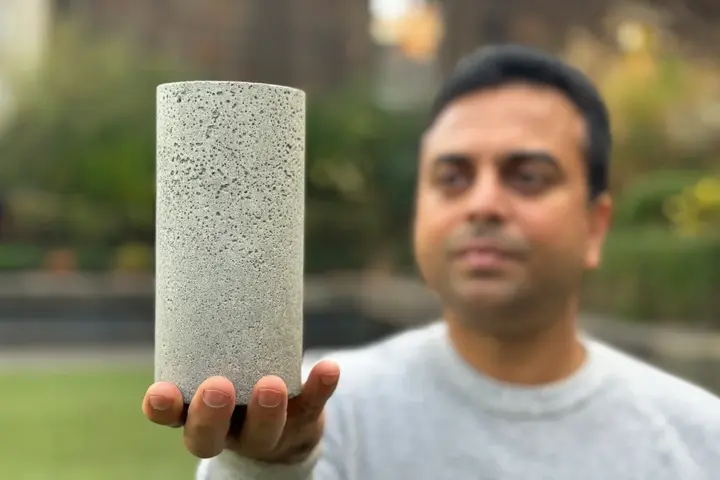
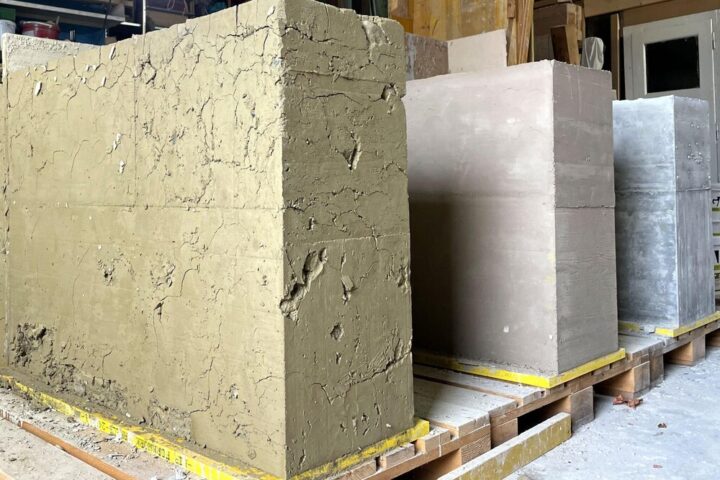
In an innovative leap in sustainable construction, a collaboration between EPFL, ETH Zurich, and Archiplein has led to the development of a novel type of non-reinforced concrete made from stone offcuts. This
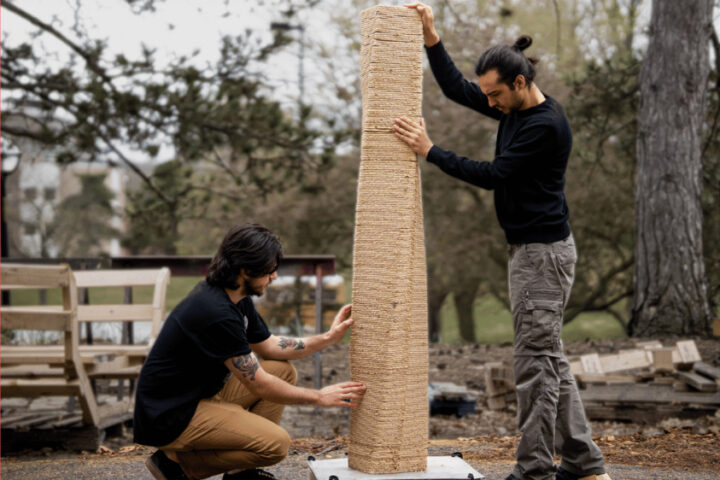
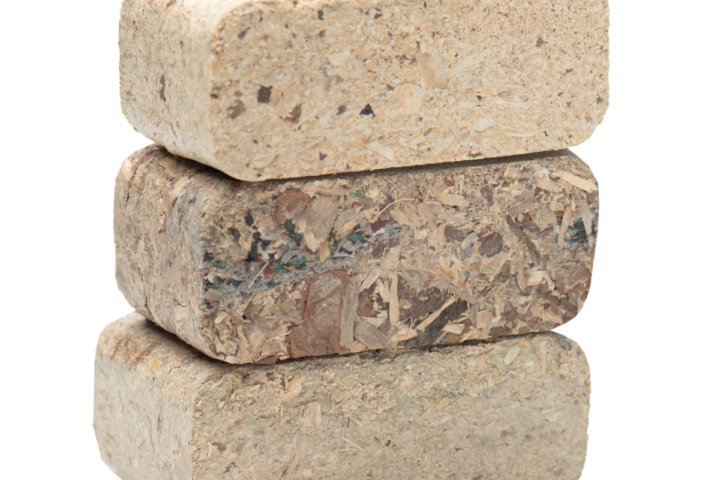
At the University of Michigan, the BioMatters team, under the Taubman College of Architecture and Urban Planning and DART Laboratory, is addressing a significant environmental issue. They’ve developed a unique material from
Graphene, a single-layer carbon atom sheet, has catapulted concrete technology into a new era. The University of Manchester, a hub for graphene innovation, in partnership with Nationwide Engineering, has developed Concretene. This
We have a new entrant in the carbon removal market that can play the game-changer in the world’s efforts to limit the warming to 1.5C by 2050. Graphyte, a Bill Gates-backed and
The University of Bristol’s research team has spotlighted mycelium composites, highlighting their potential to mitigate socio-economic and environmental challenges in Africa through sustainable building alternatives. Stefania Akromah, the lead author, emphasizes the





 Rahul Somvanshi
 Bilal Bhutto
 Govind Tekale
 Karmactive Team
 Karmactive Staff