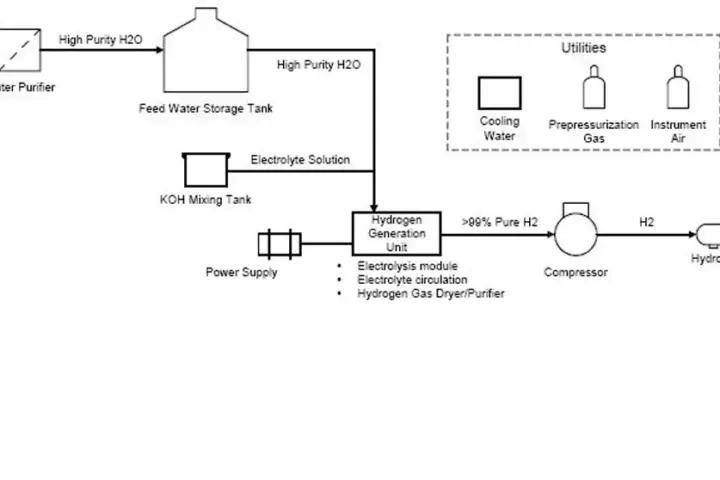
A University of Birmingham catalyst splits water into hydrogen at 150–500°C using waste heat from steel and cement plants, potentially undercutting green and blue hydrogen on cost.
Battery Tech New Freezing Method Reveals True Chemistry of Lithium Metal Batteries Cryo‑XPS flash‑freezes cells before X‑ray photoelectron spectroscopy, preserving the lithium anode interface for a more faithful read‑out of surface chemistry. 📍 Stanford University • Source: Stanford News Feature
Scientists at Monash University have created natural plastic films from food waste sugars that could eventually replace petroleum-based packaging materials. This breakthrough addresses the
Plasma-polymerized plant extracts are creating microporous hydrophobic barriers on cellulosic substrates at Fraunhofer Institute for Surface Engineering and Thin Films IST, offering a biochemical solution to Germany’s packaging waste challenge. The BioPlas4Paper
Hey fellow materials enthusiasts- want to talk about something cool happening in bio-based building materials? Mitsubishi Chemical Group (MCG) has taken their BENEBiOL™ material to a whole new level. You know how
Outdoor gear giant Patagonia has taken another stride in its environmental journey by joining Canopy’s Pack4Good initiativeThis move signals a shift towards sustainable packaging solutions that could reshape the outdoor apparel industry’s
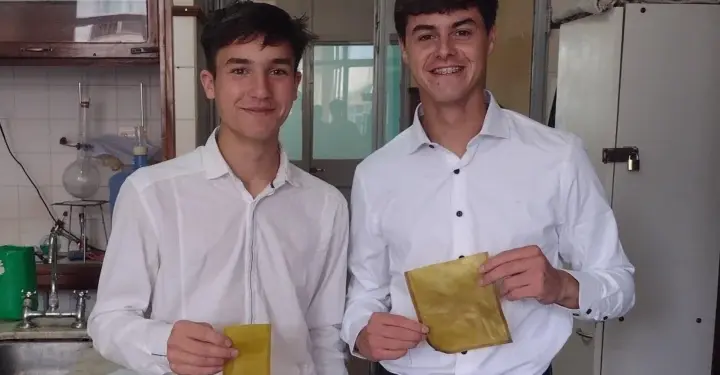
Valentín Fravoli (22) and Alejandro Unchalo (21), students from Technical School No. 2 in Tandil, Argentina, developed Citricplas — biodegradable plastic bags made from citrus peels. This innovative project, set to hit
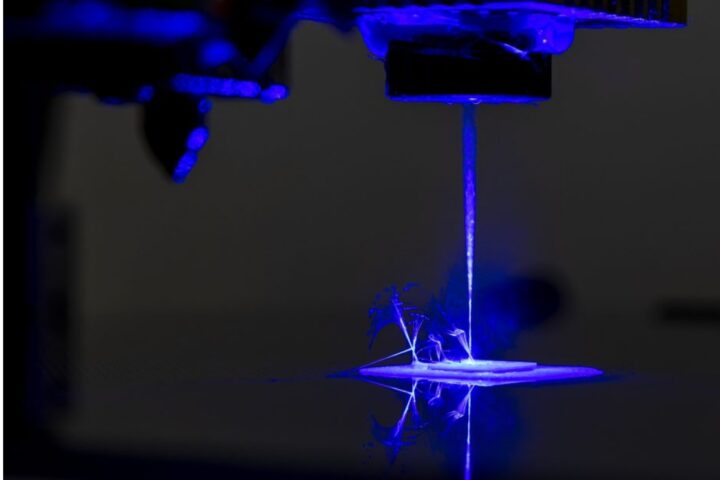
Researchers at the University of Missouri have created a novel 3D printing machine that combines multiple materials to produce complex devices. This innovation, dubbed the Freeform Multi-material Assembly Process (FMAP), allows for
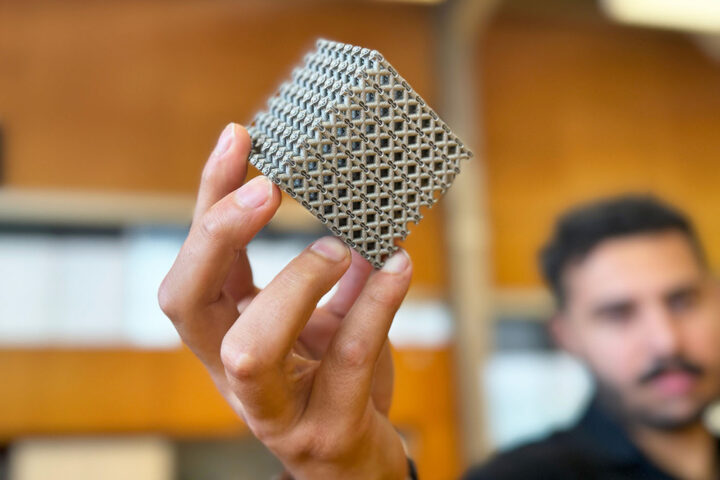
Experiments conducted by RMIT University in Australia have had fruitful results generating metamaterial (artificial material) from utilizing a familiar common titanium alloy called Ti-6AI-4V. This revealed a lattice structure (repeating a three-dimensional
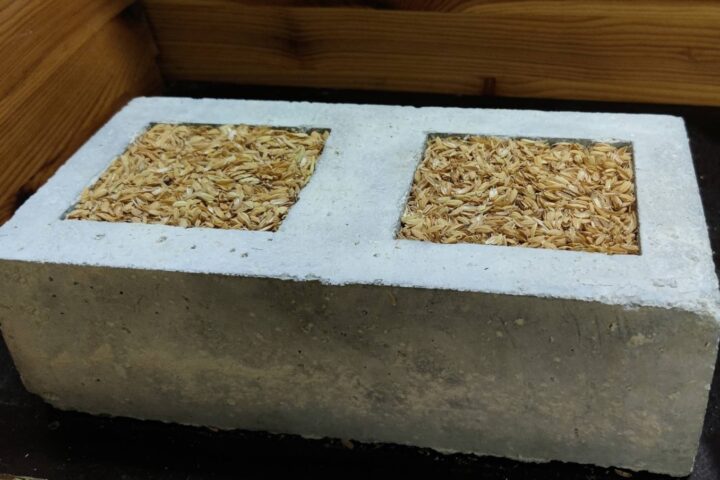
The ReMatBuilt project, launched by the Fraunhofer Institute for Wood Research, Wilhelm-Klauditz-Institut, WKI, and their partners, is upcycling construction and other residues to create sustainable building materials. This initiative pushes through an
In 2015, Dr. David Stone, a former PhD student at the University of Arizona, formulated a way to make a cement substitute using waste steel dust, which becomes hard when it reacts
Inspired by the material found in oyster shells and abalone, engineers at Princeton have created a new cement composite that is 17 times stronger against cracks than standard cement and 19 times
According to a 2023 report published by the UN Environment Programme, “The buildings and construction sector is by far the largest emitter of greenhouse gases,” and debris from construction, demolition, and industrial


 Rahul Somvanshi
 Sunita Somvanshi
 Karmactive Team
 Karmactive Staff
 Smeeti Bhanu