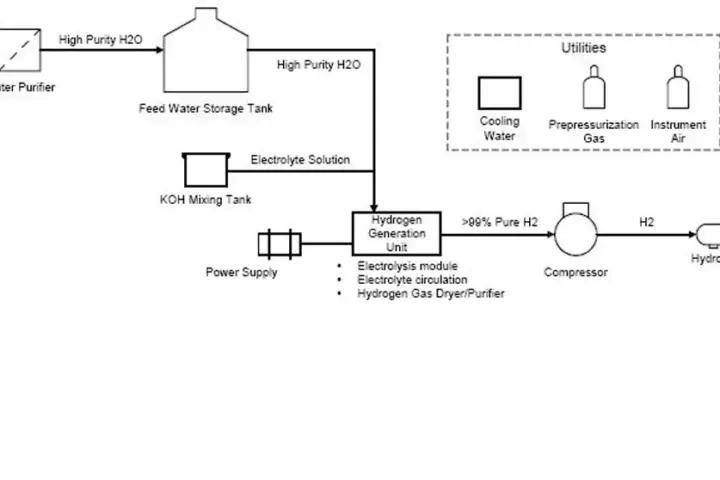
A University of Birmingham catalyst splits water into hydrogen at 150–500°C using waste heat from steel and cement plants, potentially undercutting green and blue hydrogen on cost.
Battery Tech New Freezing Method Reveals True Chemistry of Lithium Metal Batteries Cryo‑XPS flash‑freezes cells before X‑ray photoelectron spectroscopy, preserving the lithium anode interface for a more faithful read‑out of surface chemistry. 📍 Stanford University • Source: Stanford News Feature
Scientists at Monash University have created natural plastic films from food waste sugars that could eventually replace petroleum-based packaging materials. This breakthrough addresses the
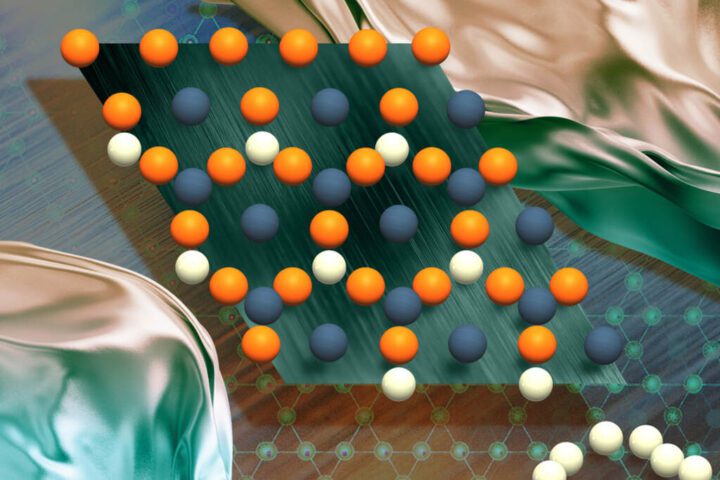
MIT researchers have created a new tool that helps artificial intelligence design materials with exotic quantum properties. The tool, called SCIGEN, guides AI models to follow specific design rules when creating new
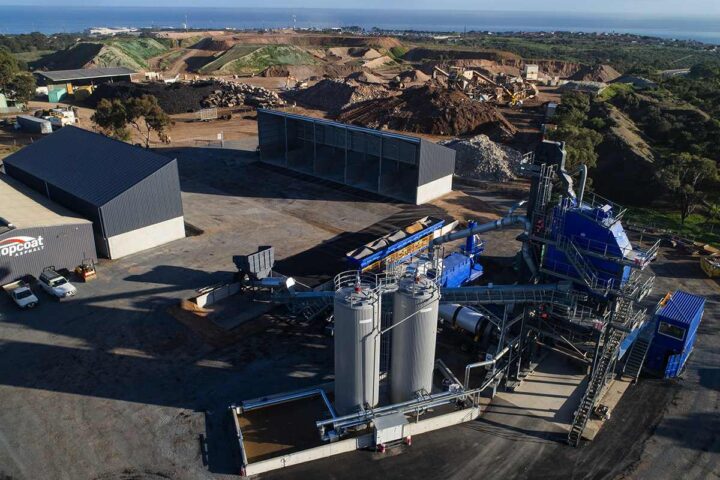
Researchers at the University of Colorado Boulder have created a new way to measure and reduce carbon emissions in road construction. The team developed a process to set carbon limits for asphalt
The textile world is buzzing after German researchers successfully spun fibers from lignin and cellulose, offering progress toward bio-based textiles. But here’s the twist – while the tech breakthrough is real, the
Scientists at Binghamton University are tapping into the hidden potential of mushrooms to create stronger, more sustainable materials that could transform industries from construction to aerospace. In a study recently published in
These fungi-based building tiles mimic elephant skin to cool structures naturally, cutting energy use and offering a sustainable alternative to synthetic materials. How Mushroom Tiles Keep Buildings Cool Scientists at Singapore’s Nanyang
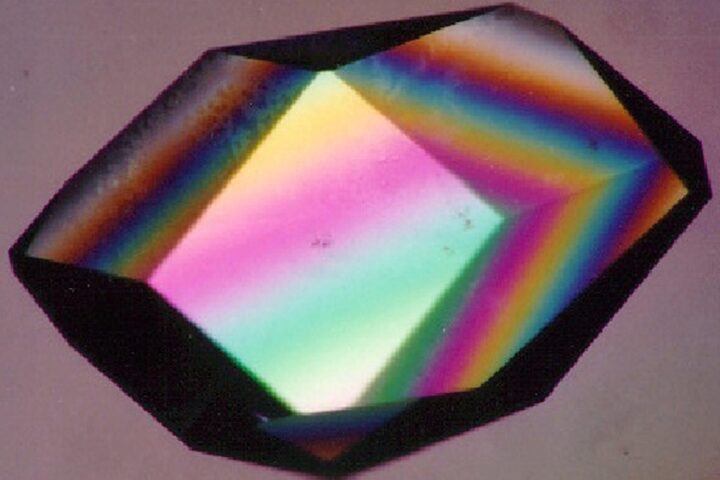
Advanced materials research in the International Space Station (ISS) of NASA is revealing new possibilities for stronger, more efficient products. These experiments, conducted in microgravity conditions, are tackling real-world challenges in manufacturing
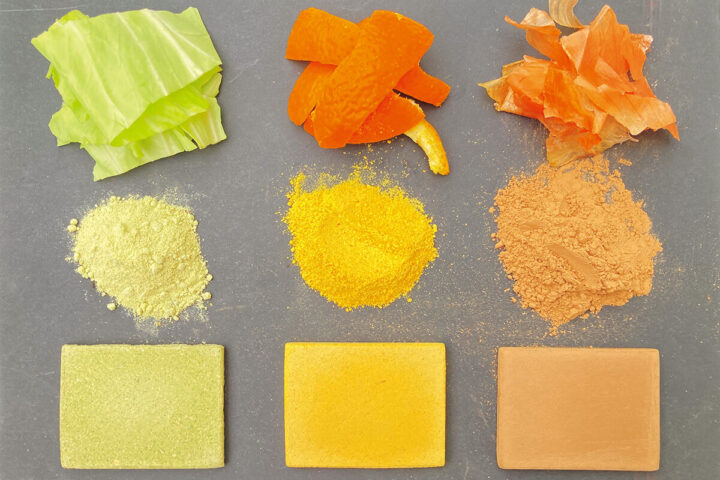
Japanese researchers have achieved 18 MPa flexural strength from Chinese cabbage waste—creating construction-grade materials four times stronger than concrete. The achievement emerged from the University of Tokyo’s Institute of Industrial Science, where
Chemical engineers at MIT have developed a hybrid catalyst that converts methane into polymers at room temperature and atmospheric pressure. The research appears in Nature Catalysis. Methane contributes about 15% to global
At 1265 Borregas Avenue in Sunnyvale, California, Google’s first mass timber office building stands where Atari once headquartered its operations. The construction costs remain undisclosed. Construction Data and Timeline The five-story structure
Worcestershire’s streets are getting an eco-friendly makeover with RECOFOAM®, an innovative material that’s changing how we build our footways. As someone who’s watched sustainable construction evolve over the years, I can tell






 Karmactive Team
 Govind Tekale
 Karmactive Staff
 Tejal Somvanshi
 Rahul Somvanshi