 Sonali Tiwary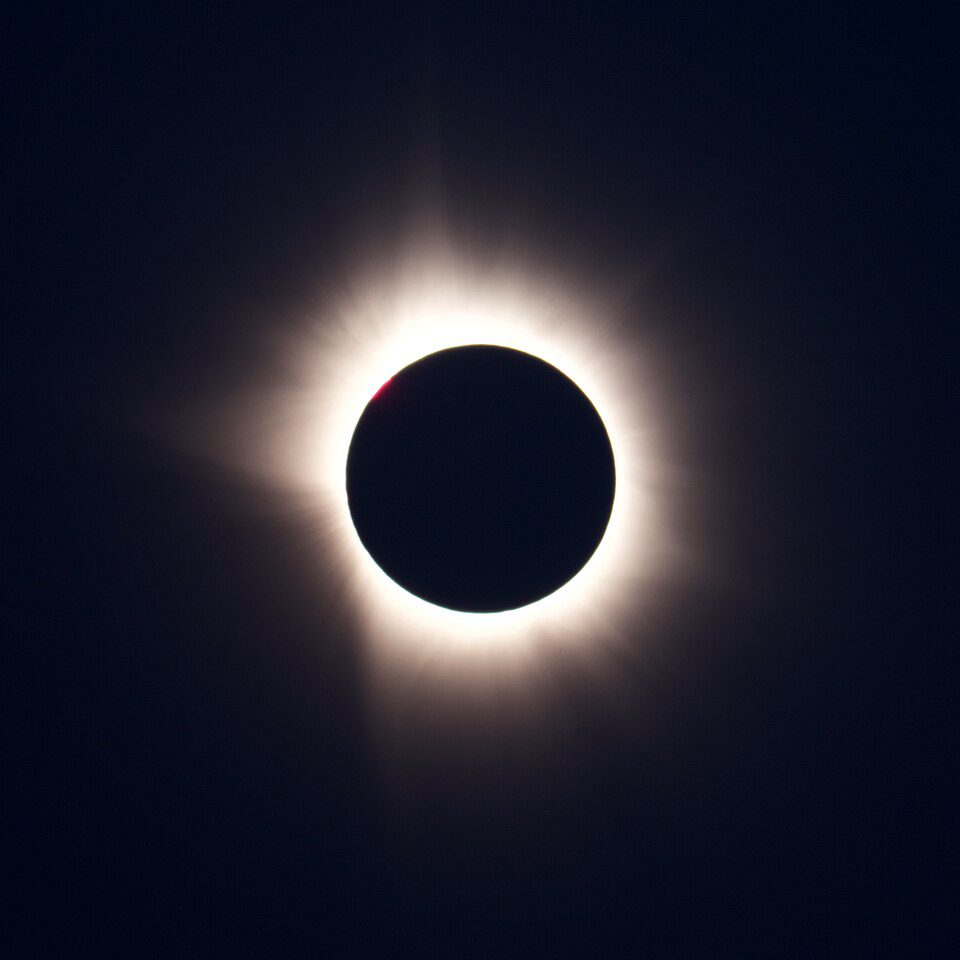
FOR THE FIRST TIME IN 121 YEARS, TOTAL ECLIPSE DARKENS SPAIN’S MIDDAY SKY
*August 12 solar event traces path from Siberia to Portugal, revealing sun’s corona as NASA streams observations*
For the first time since 1905, mainland Spain vanished into midday darkness on August 12, 2026, as a total solar eclipse exposed the sun’s corona in unprecedented detail. The moment lasted 2 minutes and 18 seconds at maximum totality of 2 minutes and 18 seconds—long enough for scientists and spectators to witness a phenomenon no living Spanish astronomer had seen from their home soil.
The eclipse traced a path that began in Siberia, crossed the Arctic, swept through Greenland and Iceland, then jumped the Atlantic to land in northern Spain and Portugal. The sun’s magnitude reached 1.0386—a complete blockage of the sun’s face, according to NASA measurements.
This is the first total solar eclipse to touch Spanish territory in over a century. The last time Spain experienced totality was in August 1905. Mainland Europe saw a total eclipse more recently—August 1999—but that eclipse never reached Spanish latitudes.
121 Years in Darkness: Spain’s Eclipse After a Century
The eclipse carried enormous weight for Spanish scientists and eclipse chasers. The century-long gap meant researchers had changed fields, equipment had evolved, and the sun itself had shifted through its cycles. No one alive who was born the last time Spain saw totality would live to see it again.
Remote towns across Spain’s northern regions filled with visitors. Hotels booked solid months in advance. Roads leading to the path of totality clogged with cars the night before. People set up viewing stations in fields and parking lots. The economic impact rippled through small communities that rarely saw such attention.
“Eclipse tourism brought life to places most travelers never visit,” according to local reports from towns along the totality path.
From Siberia to Portugal: The Path Where Day Became Night
The eclipse’s track began in central Siberia and moved southwest. It crossed the Arctic Circle, split Greenland at an unusual angle, and clipped Iceland’s northern shores. From there, it jumped the Atlantic and arrived at the Iberian Peninsula from the northwest, sweeping across Spain and Portugal before exiting into the Atlantic.
Greenland presented one of the eclipse’s strangest moments. Totality occurred during Arctic twilight—late afternoon—rather than midday. The sun hung low on the horizon while the moon blocked it completely. The effect created an eerie ring of light at the horizon while overhead turned dark. It was daytime darkness, not the night-like darkness seen elsewhere along the path.
Science Behind the Shadow: What the Corona Revealed
NASA broadcast the eclipse live on August 12. The agency coordinated observations with space telescopes including the Parker Solar Probe, Solar Dynamics Observatory, and SOHO—a craft that orbits closer to the sun than any other human-made object.
These instruments capture the corona—the sun’s outer atmosphere—with clarity impossible during normal daylight. The corona extends for millions of miles but remains invisible when the sun’s bright surface overwhelms everything around it. A total eclipse creates a temporary window. For those 2 minutes and 18 seconds, instruments recorded the corona’s structure, its loops and filaments, and its interactions with the solar wind.
Scientists study eclipses to understand the sun’s magnetic field and how it drives space weather that affects Earth.
Eclipse Photography and Documentation
Photographer Babak Tafreshi, working for National Geographic, documented the eclipse from Tarragona, Spain. His images captured the moment of totality and the corona’s structure from a vantage point that few eclipse photographers had secured. Tafreshi is an experienced eclipse chaser who has documented previous total solar eclipses across the globe.
Eclipse Tourism: How Remote Towns Caught Stardom
Greenland and Iceland saw tourism booms they rarely experience. Hotels in remote towns filled weeks in advance. Private aviation companies chartered flights specifically to chase the eclipse. Tour operators led groups to optimal viewing locations along the path. The economic benefit to small communities lasted days—the influx of visitors and their spending.
Spain’s smaller cities and towns near the totality path experienced similar tourism spikes. Restaurants, gas stations, and hotels thrived. Local governments organized viewing events. Schools marked the eclipse on calendars.
After it passed, life returned to normal. But residents remembered the day the sun disappeared at noon.
Looking Ahead
The next total solar eclipse visible from Earth will occur on August 2, 2027. For Spain and Europe, the wait until the next total eclipse over their territories will stretch decades into the future. The August 2026 eclipse may not come again to mainland Europe in anyone’s lifetime.
—
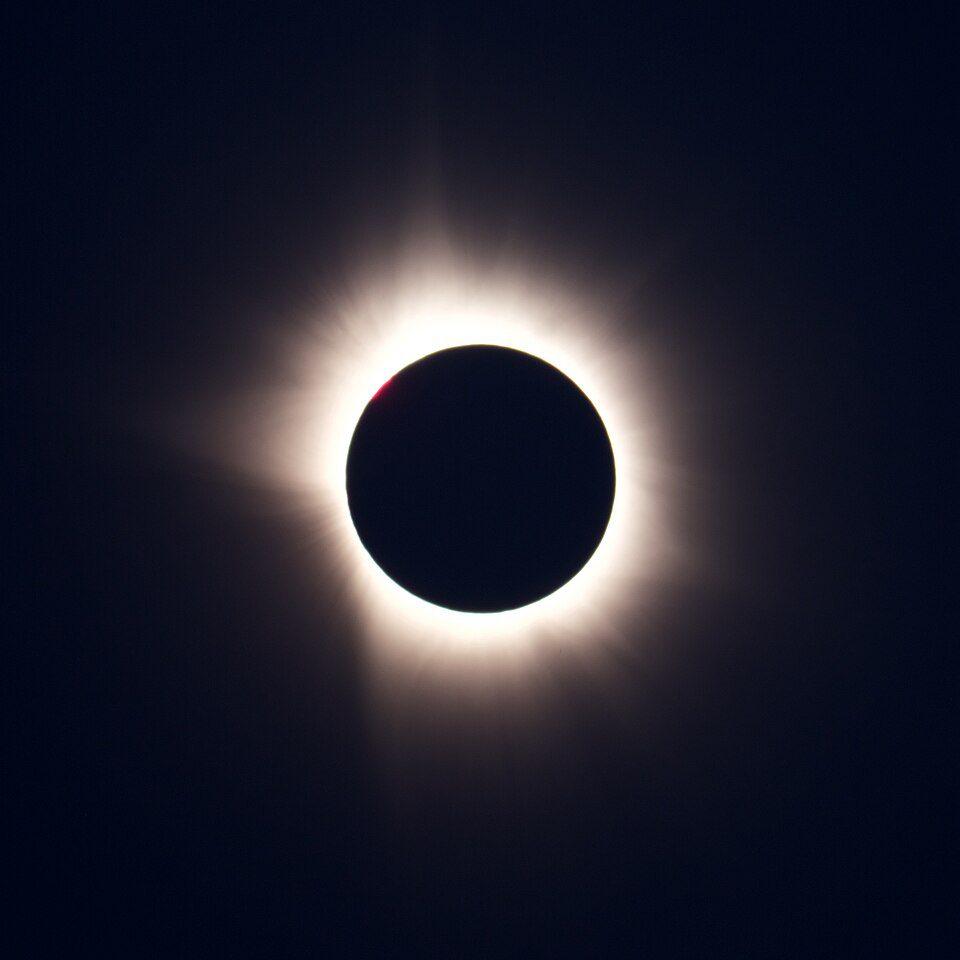
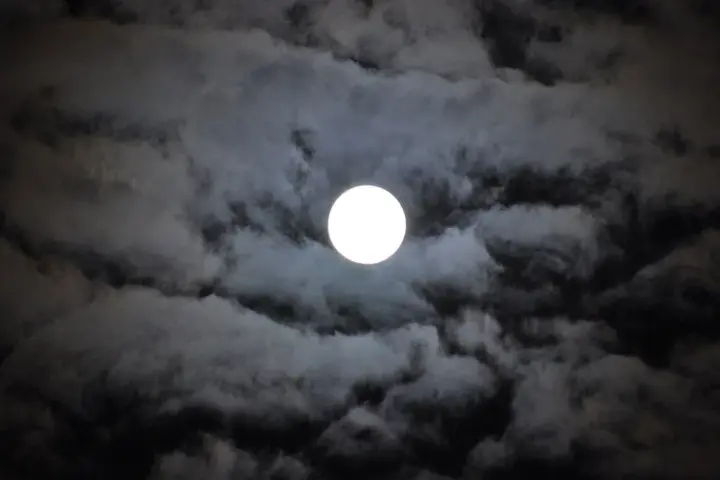
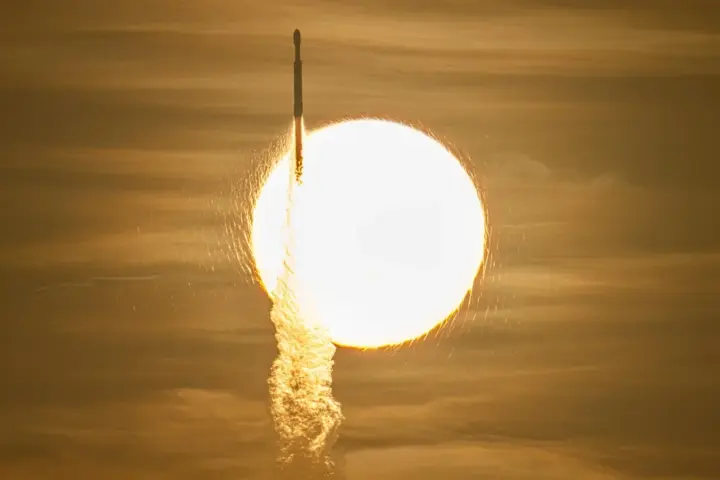
The total solar eclipse of August 12, 2026, seen from Valladolid, Spain. The moon’s shadow swept across northern Spain, creating a brief moment of midday darkness as the sun’s corona flared into view. This was the first total solar eclipse visible from mainland Spain since 1905. Image credit: Wikimedia Commons.
Alt text: Total solar eclipse totality over Valladolid, Spain on August 12, 2026