 Govind Tekale
What police say happened
On Eid al-Adha (Bakrid) in June 2026, meat was found in a garbage pile in Brahman Galli, a locality in Ahilyanagar, formerly known as Ahmednagar, in the state of Maharashtra. The finding prompted anger among local residents and concern about communal tension. Municipal officials informed the police, who intervened and prevented the situation from escalating.
Closed-circuit television footage later showed a woman wearing a burqa discarding meat near the garbage heap. Kotwali Police launched an investigation based on that footage.
How investigators traced the woman
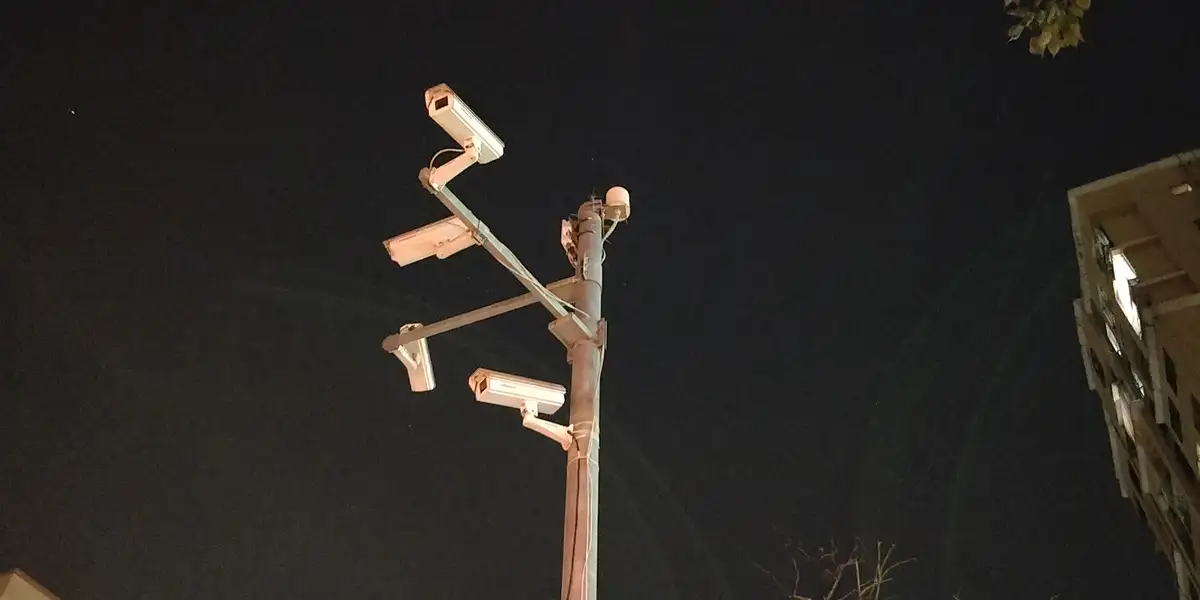
Officers reviewed footage from around 150 CCTV cameras across the city and questioned several women who were seen alongside the suspect in the recordings. After about 13 to 14 days, they traced the woman. Police identified her as Swati Vikram Bhosale, a resident of Kamar village in Ahmednagar taluka. She is described as Hindu, reportedly RSS; police confirmed only that she survives by begging and supports three children.
In her statement to police, she said she wore a burqa on the day of Eid and went to Muslim neighbourhoods seeking food and alms. According to her account, someone gave her meat, which she did not want. She said she carried it to Brahman Galli and threw it into a garbage pile.
Questions about the motive
Police verified that she is a beggar. Officers said they were still examining why she wore a burqa, why she carried the meat, and why she chose that location. They are looking at whether the actions were a personal decision or whether another motive or other people were involved.
Kiran Kale, a leader of Shiv Sena (Uddhav Balasaheb Thackeray), questioned the explanation. He asked why a burqa would be needed for begging, whether meat is normally distributed as alms on Eid, and why the meat was taken to Brahman Galli. He said the incident could be an attempt to create hatred and tension between communities and asked police to investigate every angle.
The Quint reported the case alongside other 2026 incidents in which people allegedly used Muslim identities or disguises in attempts to stir communal tension. It noted that police intervention in this case prevented escalation.
What is confirmed so far
Police have identified the woman and verified that she earns her living by begging. The “reportedly RSS” label comes from social-media claims; police have not confirmed it, and the reports cited here do not verify it. A separate report said investigators were examining whether any individuals or groups influenced or encouraged the act, without ruling out a wider conspiracy.
Clarion India and Madhyamam both carried the police account of the case. No court ruling or further charge update was found in those reports after the identification, and the investigation remained open at the time of publication.
Police appealed to residents not to spread rumours while the probe continues. The reasons for the burqa, the choice to carry the meat, and the selection of Brahman Galli have not yet been established in the published reports.