Madidi National Park Bats: 99 Species Confirmed, One May Be New to Science
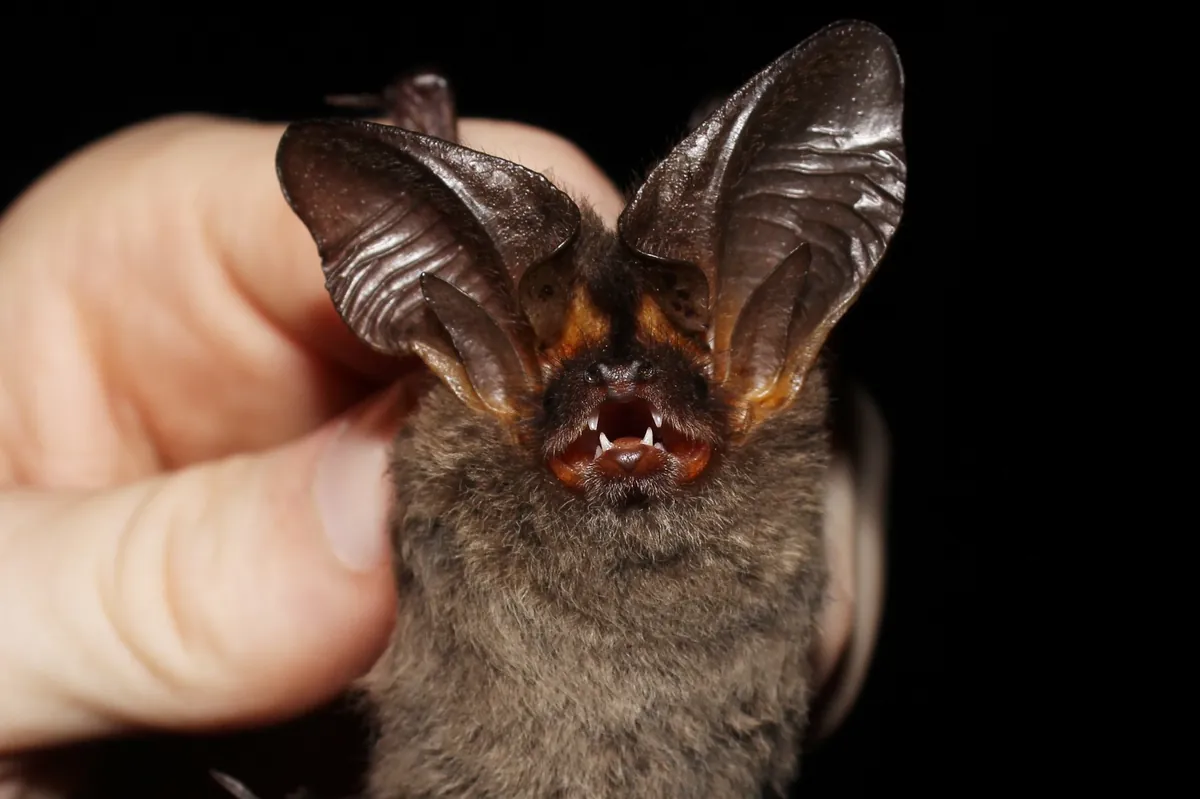
Madidi National Park Bats: 99 Species Confirmed, Plus One Possibly New to Science
If you care about wildlife, you already know bats do quiet but essential work. They control insects, pollinate plants and spread seeds. A new study now shows that Madidi National Park bats are among the richest bat communities in the world, with 99 recognized species in a single protected area in Bolivia.
The study was published in the journal ZooKeys on November 5, 2026, and the Wildlife Conservation Society (WCS) released it on November 16, 2026. Lead author Lizette Siles of the Museo de Historia Natural Alcide d’Orbigny worked with co-authors, including WCS Bolivia scientists Robert Wallace and Nuria Bernal-Hoverud. The team confirmed 99 recognized bat species in a study area of nearly 19,000 square kilometers (about 7,320 square miles) that includes Madidi National Park and its Natural Area of Integrated Management. That total is more than two-thirds of all bat species known from Bolivia. Seven species were recorded in Bolivia for the first time, and 25 were new records for Madidi. One more bat, a Histiotus, may be new to science.
For conservation funders and field scientists, the result is a practical lesson about scale. The survey covered 12 localities from 198 to 4,814 meters above sea level, and bat communities differed substantially among habitats. The researchers make a similar point: protecting the whole landscape matters, not just one habitat, as shown in a recent UK woodland carbon project.


Latest from Environment

Low carbon AI computing: 4 extra milliseconds of delay cuts data center carbon costs
Low Carbon AI Computing: Allowing 4 Extra Milliseconds of Delay Cuts Data-Center Carbon Costs Worried that AI will keep pushing data-center emissions higher? A new study from China offers a more hopeful
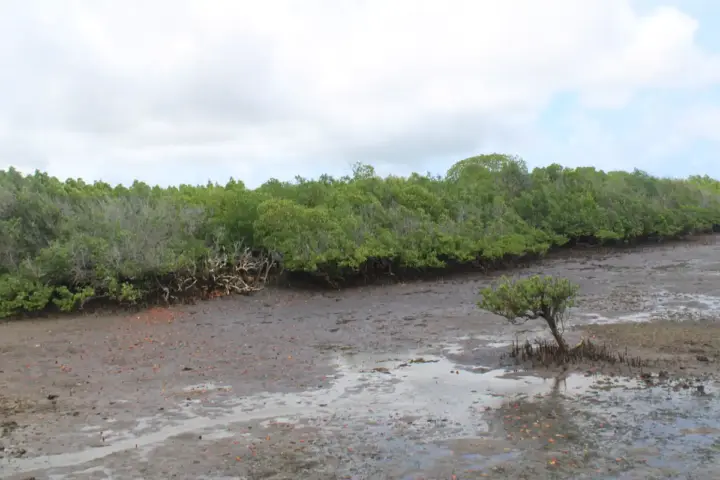
ENACT Nature4Resilience climate adaptation: DKK 50 Million Backs Ethiopia, Kenya, Uganda
Families who depend on land and sea want protection that lasts. On November 17, 2026, five countries joined the ENACT Partnership at COP31 in Antalya, Türkiye. Denmark also launched a DKK 50
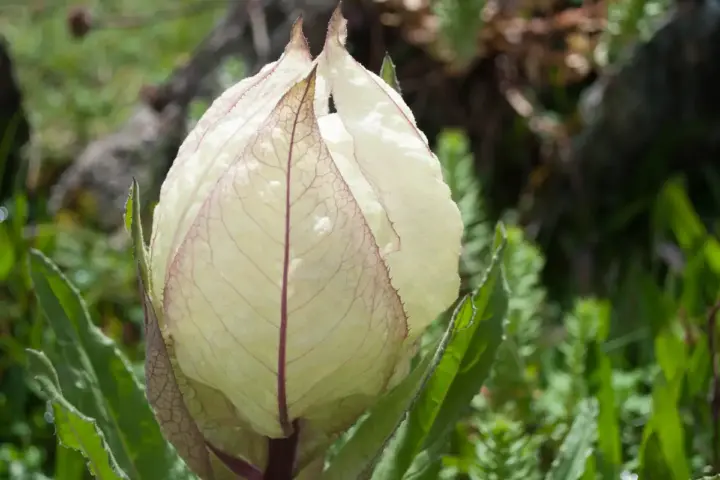
Uttarakhand Himalayan medicinal plants: women farmers ship 150,000 kutki cuttings
Moving Endangered Herbs From Wild Meadows to Village Plots Uttarakhand Himalayan medicinal plants are getting a second chance, thanks to women farmers in Chamoli district and nearby high-altitude villages. Wild herbs in

UK Invests £11.2M in 12 Coastal Adaptation Pilots as 20,000 Homes Face Risk by 2105
Live on the coast and watching the cliff edge creep closer? You are not alone. The Environment Agency’s latest assessment says around 20,000 homes and businesses in England could be at risk
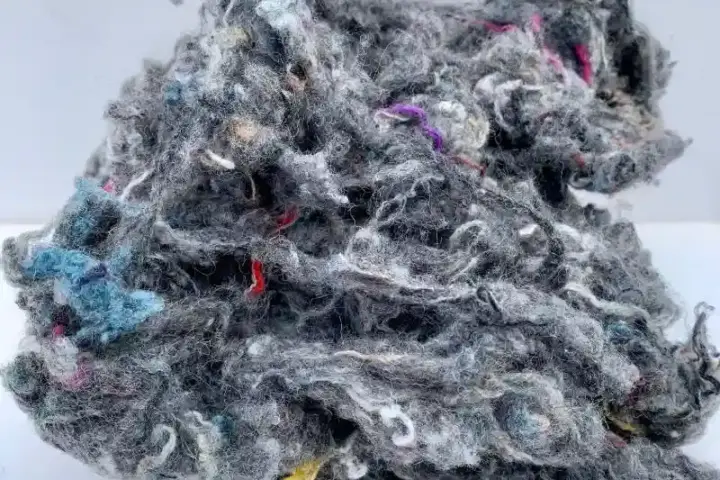
European Circular Fashion Awards 2026: 16 Finalists From Recycled Denim to Glue-Free Shoes
Want clothes that last longer and leave a lighter footprint, but not sure where to find them? Many shoppers and independent designers are looking for practical options beyond fast fashion. Good news:

Iceland first wind farm: Vadolduver saves hydropower water for winter
Clean grids run into a hard question: how do you add more power without using up more land or water? Iceland has been answering it for decades with dams. Now it has
Water Environment Improvement Fund: £11 Million River Clean-Up Funded by Water Company Fines
Water company pollution fines are going back into English waterways. Announced November 28, 2026, the funding is worth over £11 million and includes almost £6 million collected from water companies. If you
Lotus Stem Biofilm Electricity Generator Makes Power From Evaporating Water
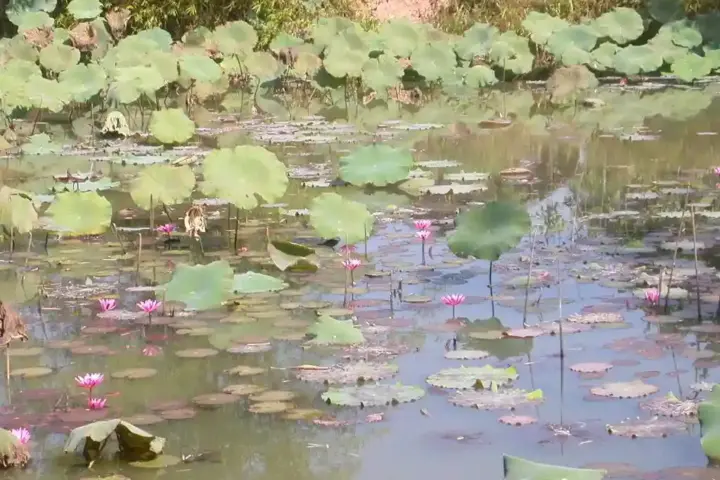
Researchers in China have built a small generator that makes electricity from water as it evaporates. The device pairs lotus stems with a bacterium that moves electrons. In testing, it ran steadily
Footwear Environmental Footprint Data Project Launches With New Balance and On
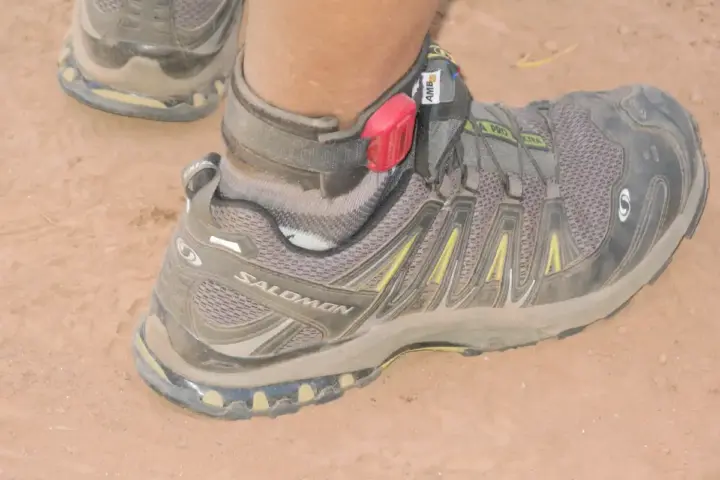
Want to know what really goes into the carbon footprint of your next pair of trainers? A new industry project is collecting that answer directly from suppliers across the footwear supply chain.
Giant Anteater South America Recovery: Restored Land and Releases in Argentina and Brazil
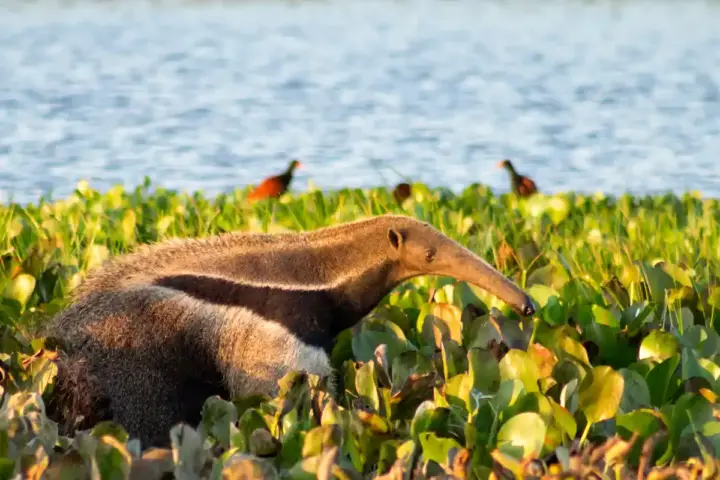
Giant anteaters have been missing from parts of their old range for generations. Now two recovery stories from South America show that land can heal and animals can return. Large-scale animal recovery
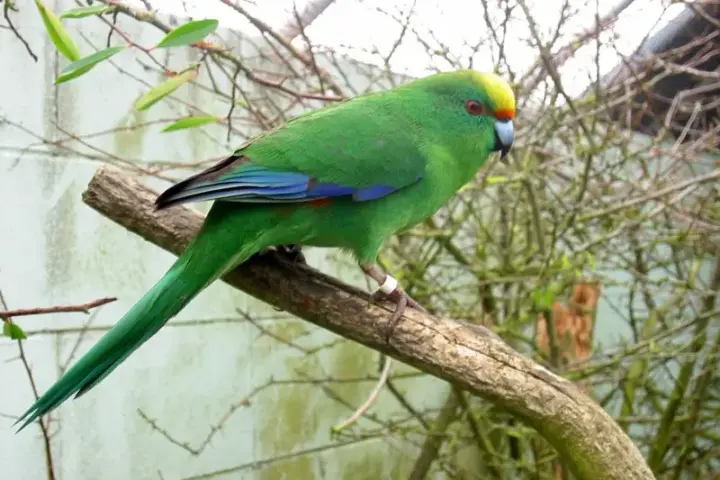
Kākāriki Karaka Parakeet Chicks Hatch from Retired Breeding Pair
Conservation news often arrives in small steps. This time it arrived with four new chicks. In late November 2026, a pair of parrots that had been officially retired from breeding unexpectedly hatched
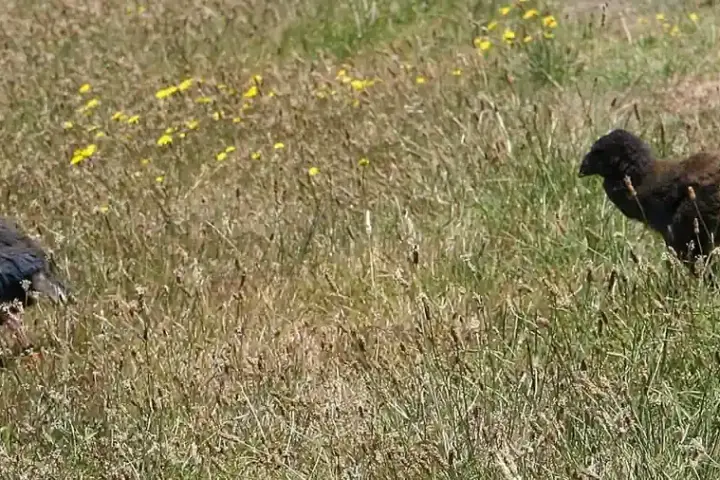
First takahē chick hatches at Onetahua after May translocation
First takahē chick hatches at Pūponga, Onetahua/Farewell Spit, after eight threatened native birds were moved to the site in May. The Department of Conservation (DOC) and the Onetahua Restoration Project announced the
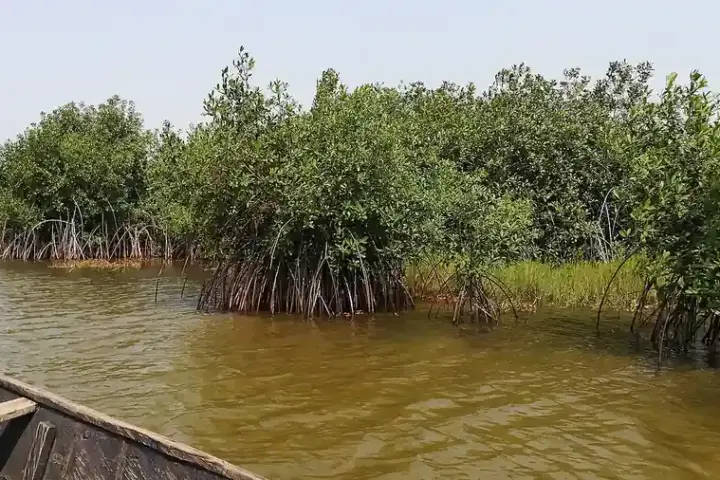
Togo joins IUCN as it develops its first marine protected area
Togo joins IUCN as a State Member, the International Union for Conservation of Nature announced on 26 November 2026. For readers watching how coastal countries build conservation capacity, the announcement ties a
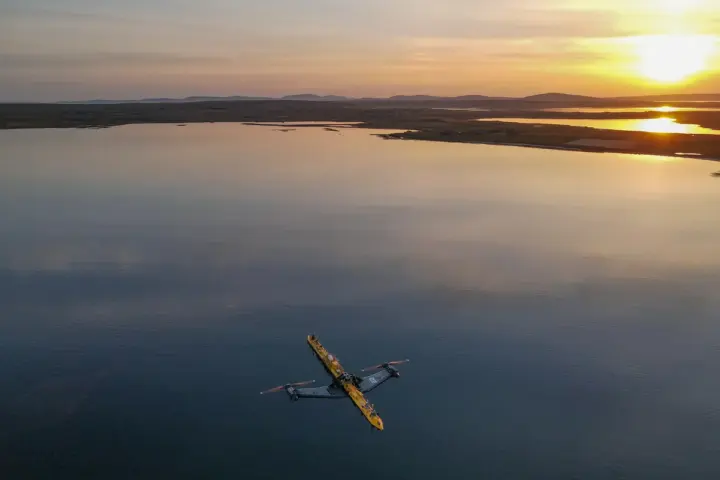
Bay of Fundy Tidal Array Clears Federal Approvals, But 6,600 Homes Still Wait on One Decision
Federal Approvals Cover All Six Floating Tidal Turbines for 15 MW Bay of Fundy Clean Energy Array Will tidal power ever be predictable enough to count on? Federal approvals now cover all

EU funds €6.75 million bid to ditch forever chemicals from workwear and firefighter gear
If your rain jacket or work trousers repel water, they may rely on a chemical coating. Some of those coatings contain PFAS, a family of “forever chemicals” many of which break down