
Bay of Fundy Tidal Array Clears Federal Approvals, But 6,600 Homes Still Wait on One Decision

Federal Approvals Cover All Six Floating Tidal Turbines for 15 MW Bay of Fundy Clean Energy Array
Will tidal power ever be predictable enough to count on? Federal approvals now cover all six planned Bay of Fundy tidal turbines, a step toward clean electricity for Nova Scotia homes. The approvals are an important step toward a final investment decision for a project that has been in development for years.
Two federal departments have issued the key federal approvals for the six-turbine plan for the Eauclaire FORCE tidal array in the Minas Passage, Nova Scotia. Fisheries and Oceans Canada (DFO) expanded the project’s Fisheries Act authorisation from three turbines to six. Transport Canada approved all six under the Canadian Navigable Waters Act. The turbines are O2-X floating devices to be supplied by Orbital Marine Power, which is working with Eauclaire Tidal Ltd. Each O2-X turbine is rated at about 2.4 MW, and the full array is reported at 15 MW. Once it runs, the project is expected to supply about 6,600 Nova Scotia homes. The approvals were announced in mid-November 2026.
What this means for you: your power bill does not change yet. The turbines are not built, and approval does not guarantee construction. The approvals put key federal permits in place. The next major step is a final investment decision (FID), when backers commit construction money. If that decision comes, the array would add clean power to the grid for about 6,600 homes. Because tides follow a predictable schedule, output should be easier to forecast than wind or solar.


Latest from Energy
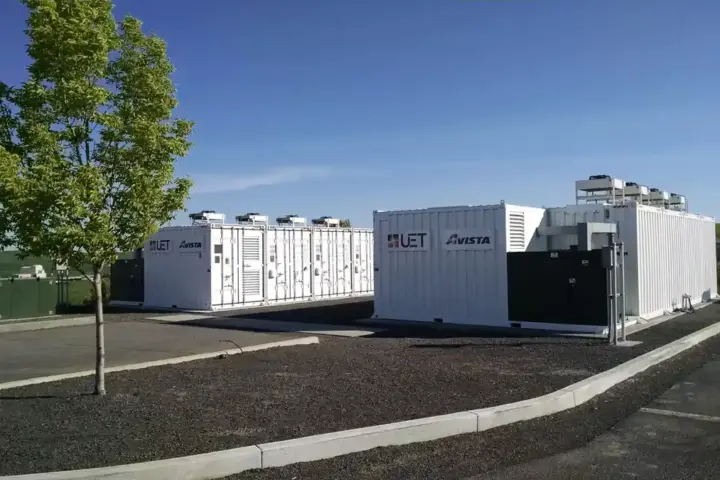
Flow Battery Capacity Recovery: New Review Maps Four Ways to Restore Lost Storage
Researchers have mapped ways to restore lost capacity in grid-scale flow batteries, rather than scrapping degraded units. If you rely on solar or wind power, storage keeps electricity flowing when the sun
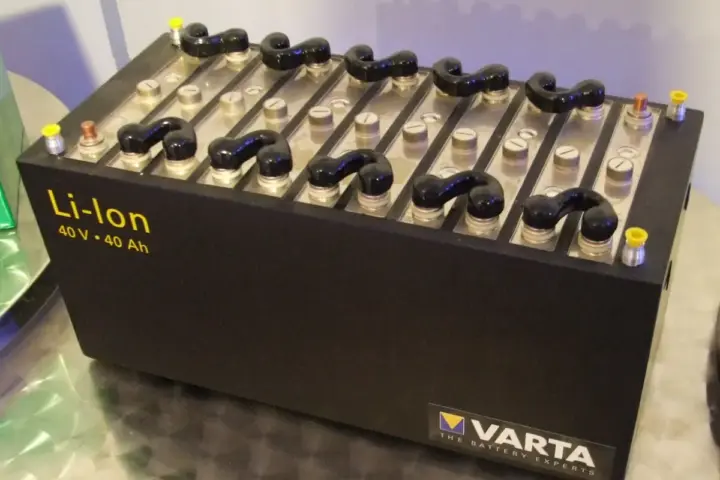
O6 Cathode Loses Just 0.31 mV Per Cycle in Seoul National University Battery Study
Electric car owners and grid engineers share a worry: batteries that slowly lose their punch. Lithium battery voltage decay is one reason that happens. Seoul National University researchers report an atomic layer
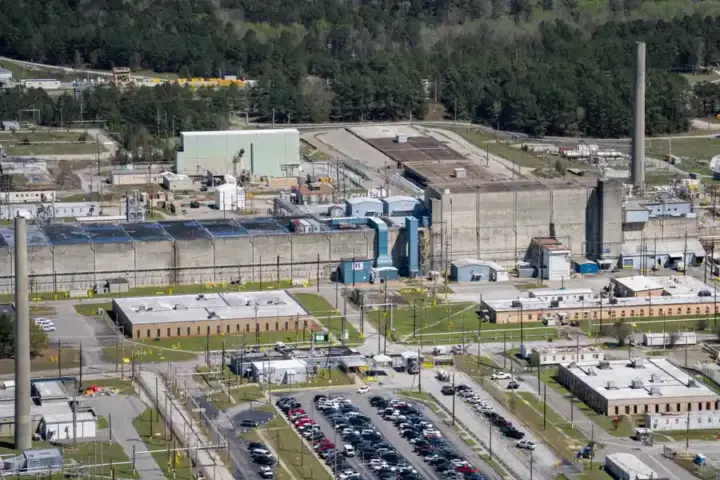
Savannah River Site HALEU: H Canyon Milestone Clears Path to 22.8 Metric Tons
If you pay an electric bill or run a data center, the fuel supply for new small nuclear reactors matters to you. The U.S. Department of Energy says the Savannah River Site

Thanksgiving Storm Power Outage Guide: Utility Reporting Numbers, Wind Delays, and Safety Steps
If your lights go out during Thursday’s Thanksgiving storm, you may wait longer than you expect. Utilities across the Northeast and Mid-Atlantic have crews staged ahead of strong winds. Gusts could reach
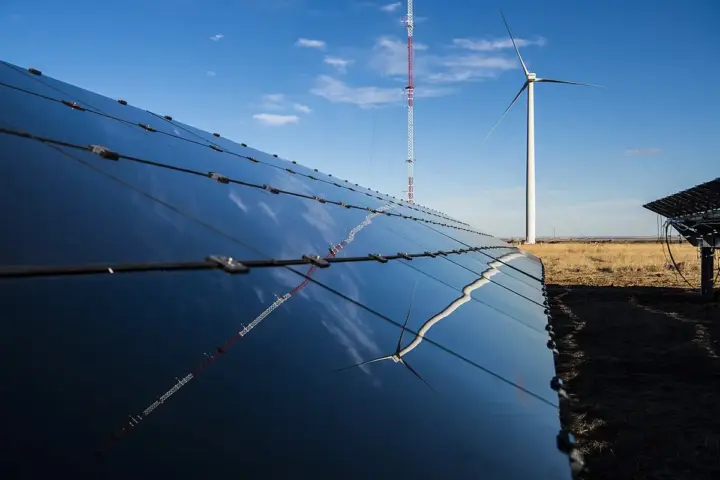
Wind, Solar and Batteries Cut Clean Power Costs Nearly a Fifth, Ember Finds
Wind, Solar and Batteries Cut Clean Power Costs Nearly a Fifth, Ember Finds For anyone who wonders whether clean power can keep the lights on through cloudy days and still nights, a

Sila and Panasonic Energy Sign $1B+ Potential Titan Silicon Anode Deal to Power Domestic Battery Production
Sila and Panasonic Energy Sign $1B+ Potential Titan Silicon Anode Deal to Power Domestic Battery Production If you have ever wondered where the battery in an electric car comes from, part of
UCL’s Water-Based Iodine Battery Kept 96% Capacity After 1,000 Cycles—What the Lab Results Show
UCL Aqueous Battery Breakthrough: Four-Electron Iodine Storage Without Halogen Salts Concerns about battery fires often lead people to ask whether a home battery or a neighborhood power store is safe. This laboratory

UCL’s Water-Based Iodine Battery Kept 96% Capacity After 1,000 Cycles—What the Lab Results Show
UCL Aqueous Battery Breakthrough: Four-Electron Iodine Storage Without Halogen Salts Concerns about battery fires often lead people to ask whether a home battery or a neighborhood power store is safe. This laboratory
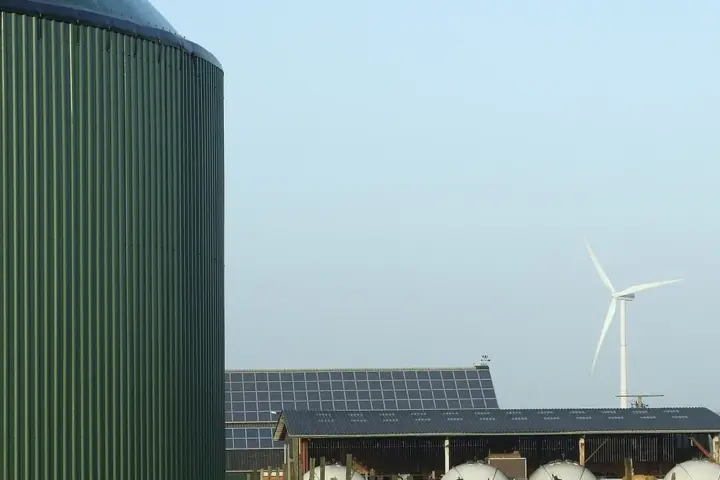
MIT and Georgia Tech Study: Excess Solar and Wind Energy Could Power Factories and AI
MIT and Georgia Tech Study: Excess Solar and Wind Energy Could Power Factories and AI Sunny, windy afternoons can leave the grid with more clean power than it can use. For anyone
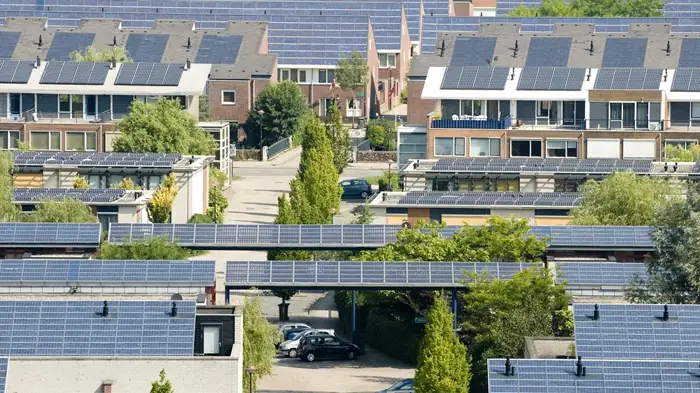
Residential Solar Heat Mortality: Rooftop Panels Cut Extreme-Heat Deaths by 8.5% in Japan
Residential solar heat mortality in Japan fell as rooftop panels spread across the country. A study in Social Science & Medicine reports the finding, and points to a practical way to keep
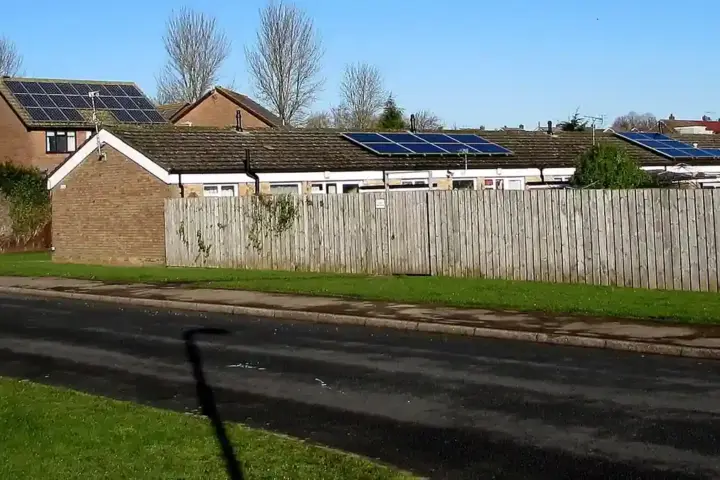
UK Rooftop Solar Record: 270,000+ Installations in 2026
For UK households weighing solar panels, new figures show rooftop solar installations are rising across homes, shops and community buildings. MCS data published on November 20 says the country passed 270,000 certified
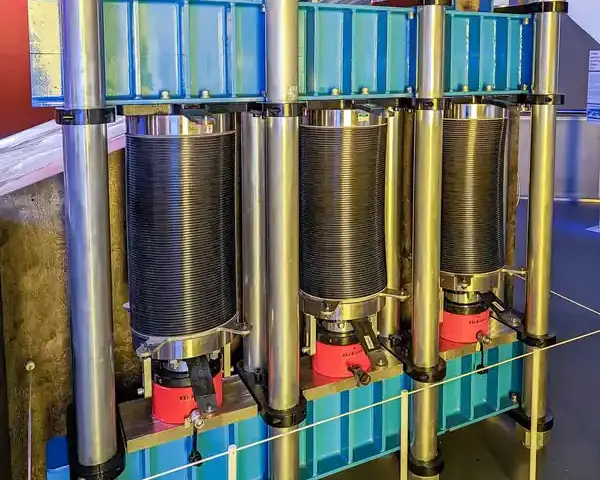
Alkaline Water Electrolyzer Durability: 1,000-Hour Test Finds 5 Iron Triggers
Green hydrogen producers need electrolyzers that can run for long periods without costly maintenance. Trace iron in alkaline water electrolyzers can improve nickel-based anode activity, but it can also form metal branches
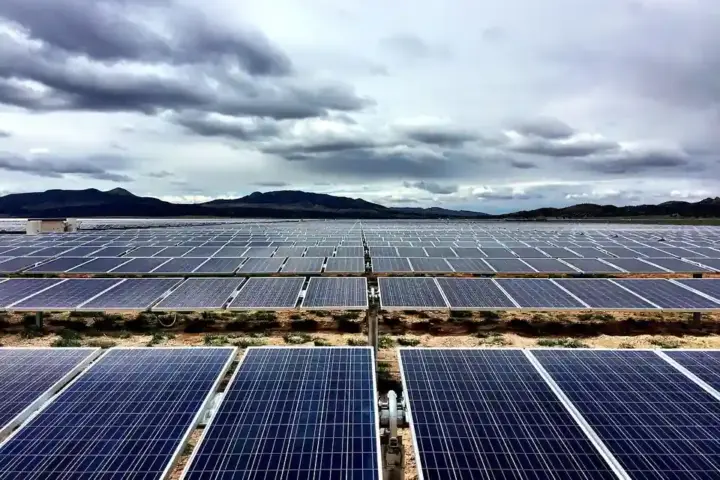
US Solar Module Prices Jump 35% Ahead of Dec. 4 Tariff Floor
US solar module prices are reshaping procurement for developers and installers pricing projects for late 2026. Imported modules and products that may help projects qualify for domestic-content incentives now sit much closer
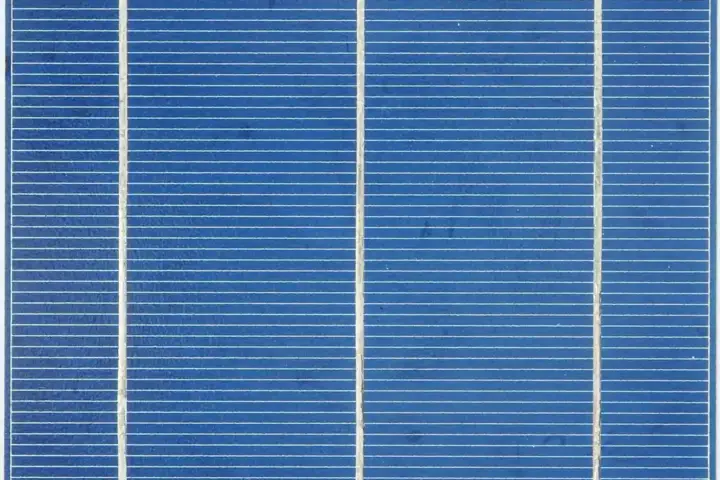
Tesla Seeks Tax Break for $3.1B Nueces County Polysilicon Refinery
Tesla’s proposed Nueces County polysilicon refinery could add a domestic source of solar-grade polysilicon for high-efficiency solar cells. For US solar manufacturers, the plan comes as new federal import rules are due
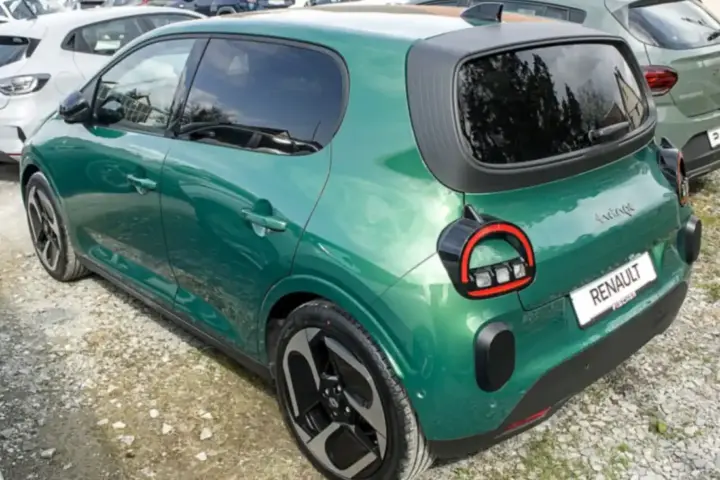
Renault Twingo E-Tech price starts at £14,745 in the UK after grant
UK drivers considering a new electric car may be drawn to the Renault Twingo E-Tech‘s £14,745 starting price. The Evolution trim is listed at that price after the full £3,750 Electric Car