Canada Taps 19 Projects For Carbon Dioxide Removal Credits Aiming At ‘Hard-To-Decarbonize’ Defence Emissions

Canada’s national standing offer for carbon dioxide removal credits gives federal departments access to credits from 19 Canadian projects. It creates a potential route for clean-tech developers to sell permanent carbon removal. Announced in Ottawa on November 19, 2026, the procurement framework is the first of its kind. The federal announcement says no other national government runs competitive standing offers for permanent CDR credits. It is intended to help address emissions that are difficult to eliminate directly, including those from National Defence’s air and marine fleets.
The Government of Canada’s master standing offer lets designated federal departments, agencies and Crown corporations obtain permanent carbon dioxide removal (CDR) credits. The credits come from 19 projects across the country. CDR removes carbon dioxide from the air and stores it in natural reservoirs or long-lived products. The announcement names direct air capture and enhanced carbon mineralization among the approaches covered. Independent verification and certification are required.
The procurement supports the Greening Government Strategy, which sets a goal of net-zero federal operations by 2050. The government says the credits can help address hard-to-decarbonize emissions, including those associated with National Defence’s air and marine fleets. The framework gives departments access to suppliers through a shared national offer rather than a single project purchase.
For Canadian clean-tech developers, federal departments and climate-market watchers, the announcement creates a route from project qualification to potential government purchases. The framework opens access to 19 Canadian projects and supports the government’s 2050 net-zero operations goal. It also applies to emissions from National Defence’s air and marine fleets, where direct reductions can be difficult. The standing offer builds on Canada’s commitment to buy at least $10 million in CDR credits by 2030.

Latest from Canada

Cadbury Pistachio Recall Canada: Oreo Bars and Favourites Recalled
Canadian households with tree nut allergies should check Cadbury treat bars and Favourites boxes after a nationwide Class 1 recall over undeclared pistachio. The Canadian Food Inspection Agency says one reaction associated

Canada Orders ORB Factory Toy Recall Over Asbestos Findings
Canadian consumers and retailers can check sand-filled toys against the ORB Factory toy recall of ORB Funkee and Stretchee products. Environment and Climate Change Canada (ECCC) says laboratory tests found asbestos above
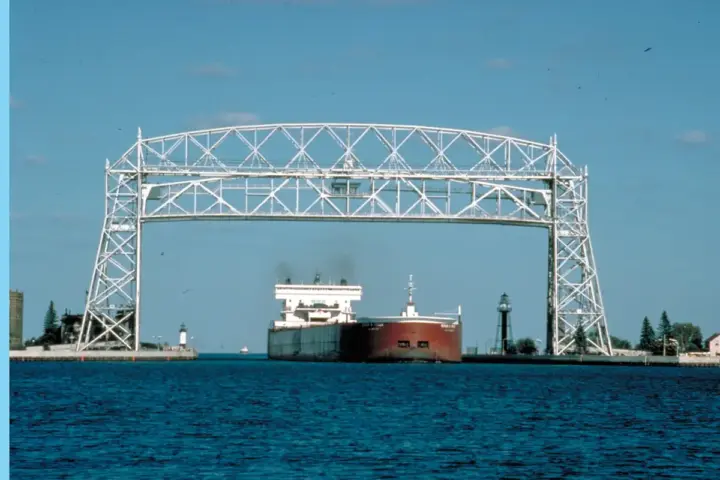
Sault Ste. Marie Port Secures $250M for Great Lakes Marine Terminal
Northern Ontario exporters could gain a new route for moving critical minerals, steel, forestry products and agricultural goods. Canada is backing a multimodal port in Sault Ste. Marie. Transport Canada says the

Ford Oakville Investment 2026: Canada and Ontario Commit $928.5M
Canada and Ontario Invest $928.5M in Ford Oakville Retool The Ford Oakville investment 2026 adds Super Duty truck capacity for fleet buyers and Oakville auto workers, and marks a major factory transition.

Bell Canada breach exposed enterprise data from its Maximo system
Canadian businesses that rely on Bell for network services may want to know whether technical records from a cyber incident could help attackers target their systems. Bell confirmed that an unauthorised party
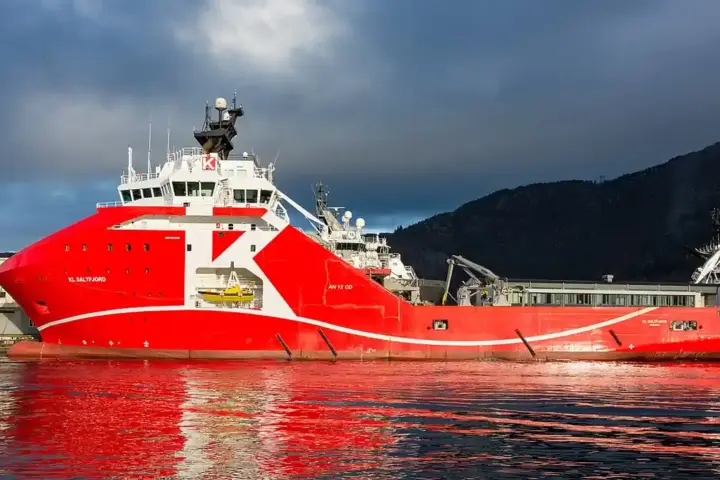
Canadian Coast Guard Extends BC Emergency Towing Vessels Through 2028
The Canadian Coast Guard will keep its BC emergency towing vessels on contract through 2028, two years beyond the previous arrangement. The extension covers Atlantic Eagle and Atlantic Raven, the pair that
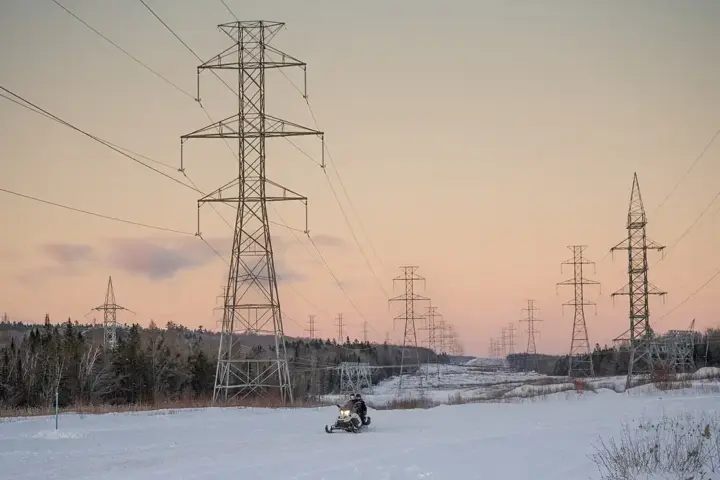
Canada COP31 Climate Statement: 1.5°C Seen as Unavoidable, Power Doubling by 2050
If you are weighing an electric car or a heat pump, the power grid and local electricity prices are important factors. On November 18, Canada told the COP31 climate summit in Türkiye

Canada Alert Ready Test Sounds Across Thirteen Regions as Officials Explain Why Certain Mobile Phones Stayed Quiet
Canada’s national emergency alerting system, Alert Ready, is conducting a scheduled nationwide test today, Wednesday, November 18, 2026. Test notifications will be broadcast across television, radio, and compatible LTE and 5G mobile
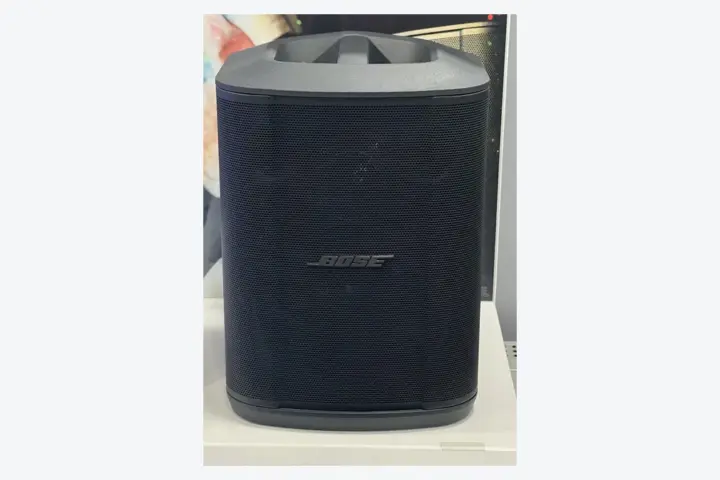
Bose S1 Pro Battery Recall: 670,000 Packs Recalled for Fire and Overheating Risk
If you own a Bose S1 Pro or S1 Pro+ speaker, or a spare battery pack, take action today. About 670,000 lithium-ion battery packs have been recalled in the United States and

Canada’s 2026 Silver Cross Mother Virginia Hicks honors a daughter killed in a 2002 training crash
As Canadians gathered at the Remembrance Day ceremony in Ottawa on November 11, the woman laying the wreath on behalf of every mother who lost a child in military service carries a
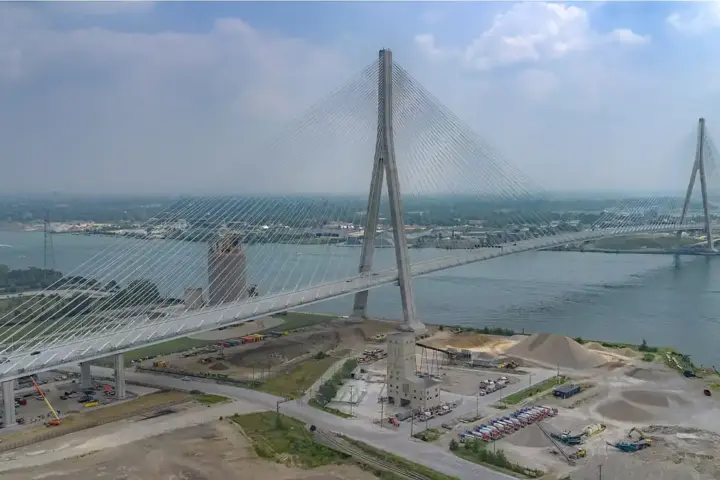
Windsor Police conduct planned emergency exercise at Gordie Howe International Bridge in cross-border drill
Noticing extra police activity near Windsor‘s west end or the Gordie Howe International Bridge this week? It was planned. Windsor Police Service confirmed it carried out a scheduled emergency preparedness exercise at
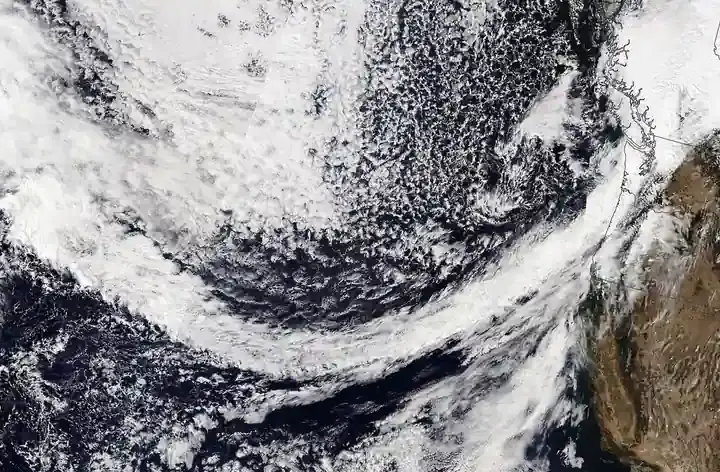
BC flood warnings raised for Pemberton and the South Coast as atmospheric river hits ahead of a second storm
British Columbia‘s South Coast is under full flood warnings after days of heavy rain, and there’s more on the way before the weekend is out. The BC River Forecast Centre upgraded flood

Molson Canada recalls 29 beers including Coors Light and Blue Moon over possible metal piece contamination
Check your fridge before your next drink: 29 beer products sold across Canada have been recalled over the possible presence of metal pieces. The Canadian Food Inspection Agency recall, filed by Molson

Honda CR-V tops Canada’s most-stolen vehicle list with 2,137 thefts as Lexus TX posts over 11% theft rate
Auto thefts fell 18% across Canada last year — real progress by any measure. Yet insurers paid out roughly $900 million in vehicle-theft claims, and one newly popular SUV is disappearing from
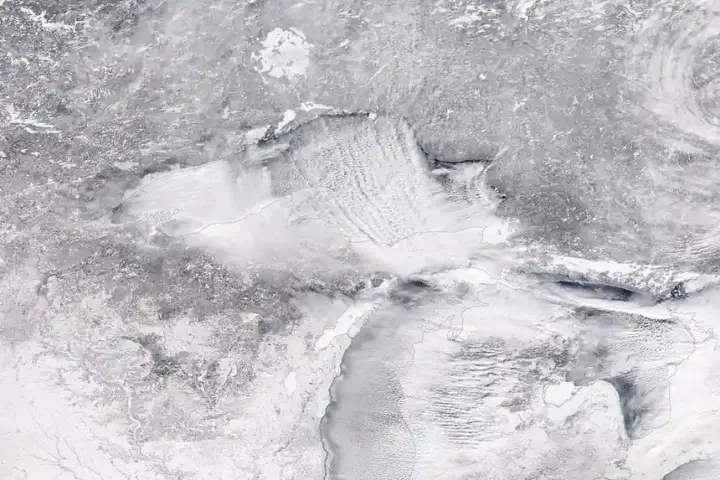
Polar vortex winds collapse toward a record-early November reversal with US, Canada, and Europe cold blast forecast
Thirty kilometers above the Arctic, winds that normally race around the pole at more than 20 meters per second have collapsed toward zero — and forecasters say a full reversal would be