Honda Takata Airbag Recall Covers 810,592 Civic, CR-V, Accord and Acura Vehicles
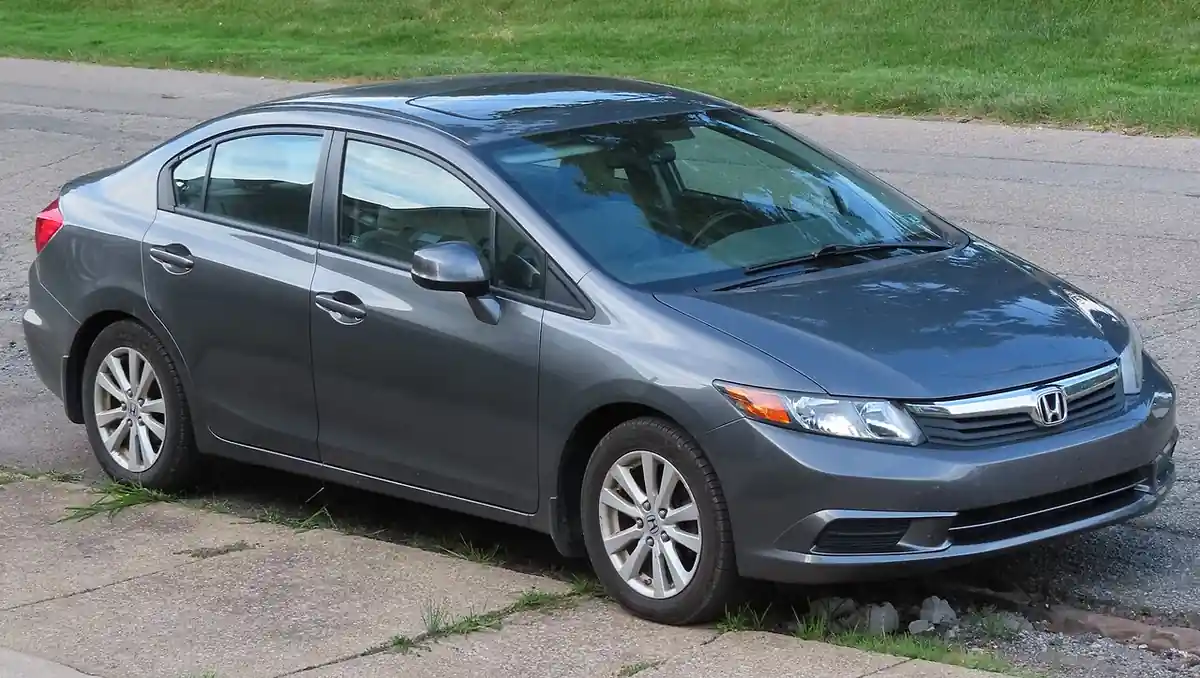
If you own a 2012 or 2013 Honda Civic or CR-V, a 2013 Accord, or a 2013 Acura RDX or ILX, check your vehicle identification number (VIN) for the Honda Takata airbag recall. American Honda filed NHTSA recall 26V765 on November 19, 2026, covering 810,592 vehicles originally sold in or ever registered in eight states and six U.S. territories or jurisdictions. The inflator can rupture when an airbag deploys; metal fragments could pass through the airbag cushion and injure occupants.
The recall affects vehicles with Takata frontal airbag inflators. Honda says repeated exposure to high humidity and temperature changes can degrade the inflator’s propellant. Its filing estimates a 100% defect rate for the potentially involved population; that estimate does not establish that every individual vehicle has experienced propellant degradation. As of November 19, Honda reported no related warranty claims, injuries, or deaths.
Registered owners will be asked to take affected vehicles to an authorized Honda or Acura dealer. Dealers will replace the driver-side or passenger-side frontal inflator, as applicable, with an improved part, at no charge. Honda scheduled dealer notifications to begin around November 20 and owner letters around December 18, 2026.
Owners of potentially affected vehicles in locations with high temperatures, high humidity, and large temperature fluctuations should check their VINs. Moisture and repeated temperature cycling can degrade the inflator’s propellant over time. If an affected airbag deploys, the inflator could rupture and metal fragments could pass through the airbag cushion. Check with Honda or Acura, use NHTSA’s recall lookup, or contact a dealer. NHTSA says some recently announced recalls may not appear until VINs are identified, so check again if needed.


Latest from Mobility
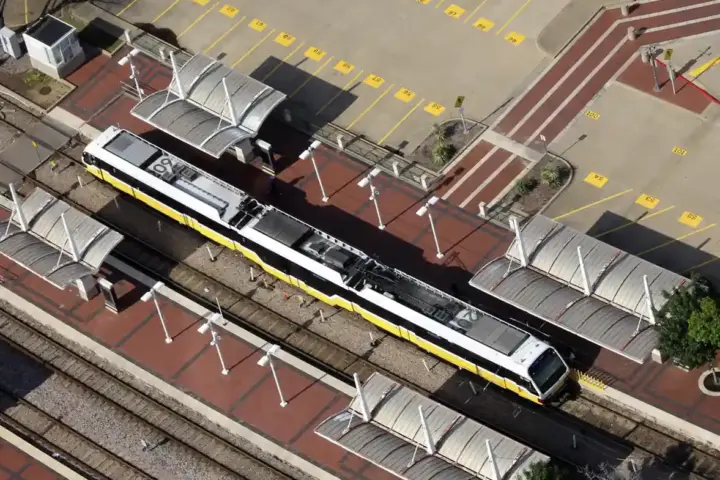
FTA Transit Innovation Showcase Set for Dec. 4 in Washington, DC
Washington-area commuters, families and transit advocates can explore transit modernization at a public event on December 4. The Federal Transit Administration’s FTA Transit Innovation Showcase will take place at U.S. Department of

First 2,000-Acre Kelp Farm Permitted Off Ventura, California
A kelp farm permitted off Ventura, California, now gives coastal communities and growers a proposed new agricultural input: giant kelp grown in federal waters. Ocean Rainforest has secured all major permits for
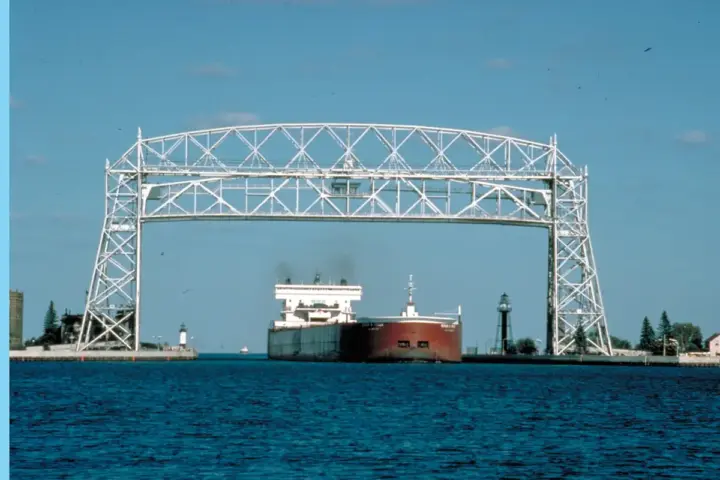
Sault Ste. Marie Port Secures $250M for Great Lakes Marine Terminal
Northern Ontario exporters could gain a new route for moving critical minerals, steel, forestry products and agricultural goods. Canada is backing a multimodal port in Sault Ste. Marie. Transport Canada says the
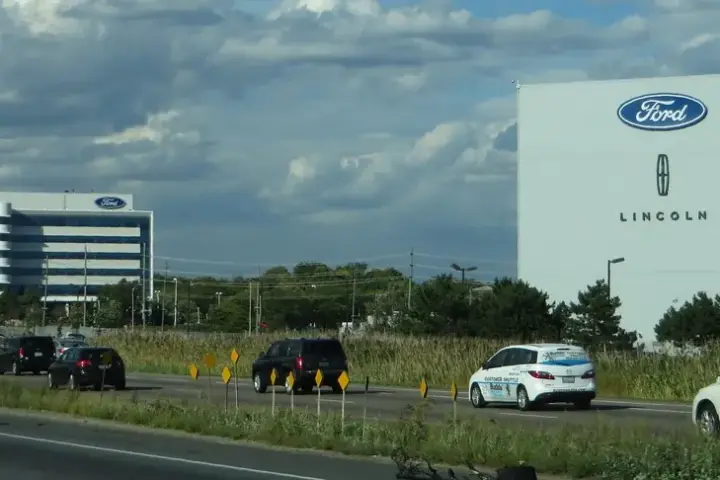
Ford Oakville Investment 2026: Canada and Ontario Commit $928.5M
Canada and Ontario Invest $928.5M in Ford Oakville Retool The Ford Oakville investment 2026 adds Super Duty truck capacity for fleet buyers and Oakville auto workers, and marks a major factory transition.
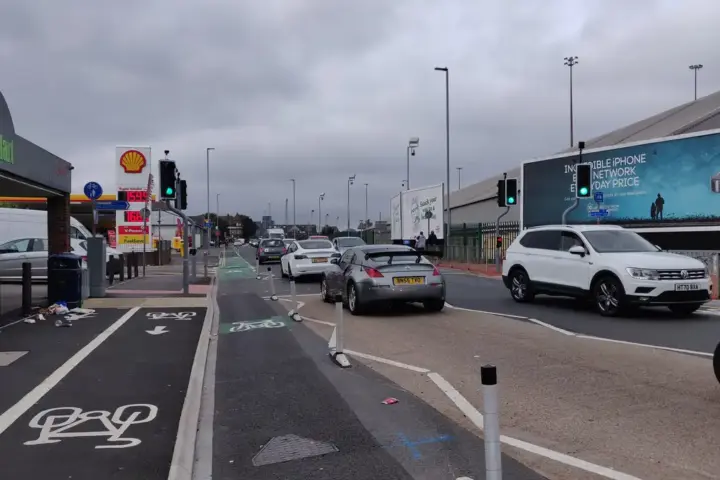
Sidmouth Street cycle lane removal considered by Reading Council
The Reading cycle lane removed from Sidmouth Street debate has arrived at a decision point. Reading Borough Council is set to vote on Wednesday, 25 November on whether to keep, shrink, or
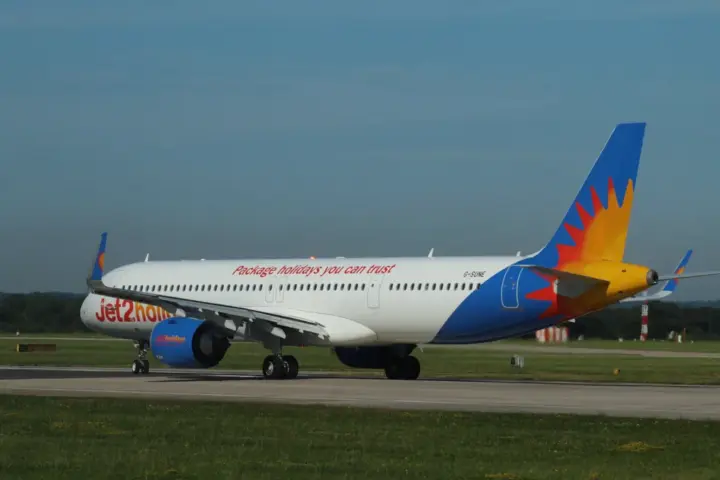
Jet2 new lightweight seats bring in-seat power and legroom
If you have ever watched your phone battery die somewhere over the Atlantic, Jet2’s latest upgrade will feel personal. The airline has begun fitting a new generation of ultra-lightweight seats across its
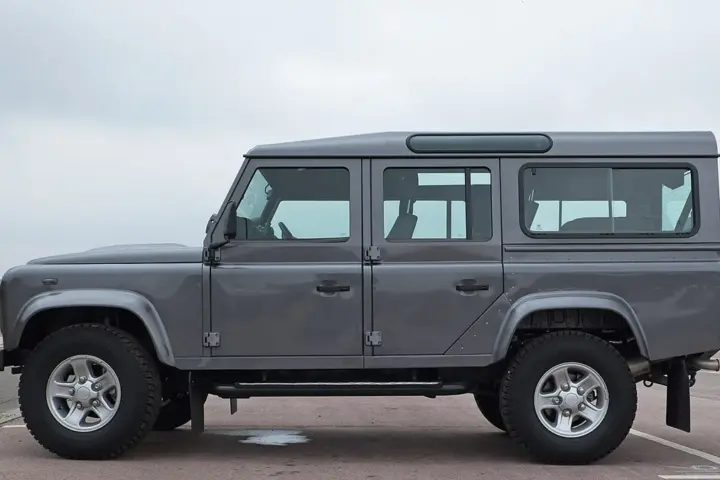
BYD Defender court ruling blocks Ti7 sales across Europe
A Dutch court has handed Jaguar Land Rover one of the most sweeping design-rights victories seen in the European auto industry in years. The BYD Defender Dutch court ruling comes as BYD
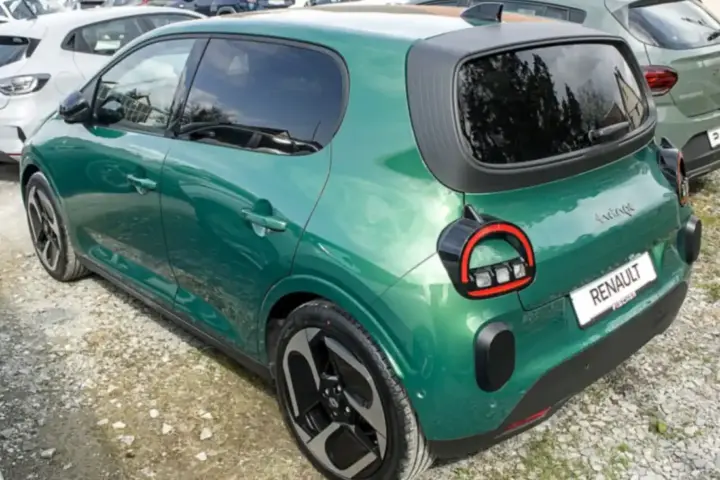
Renault Twingo E-Tech price starts at £14,745 in the UK after grant
UK drivers considering a new electric car may be drawn to the Renault Twingo E-Tech‘s £14,745 starting price. The Evolution trim is listed at that price after the full £3,750 Electric Car
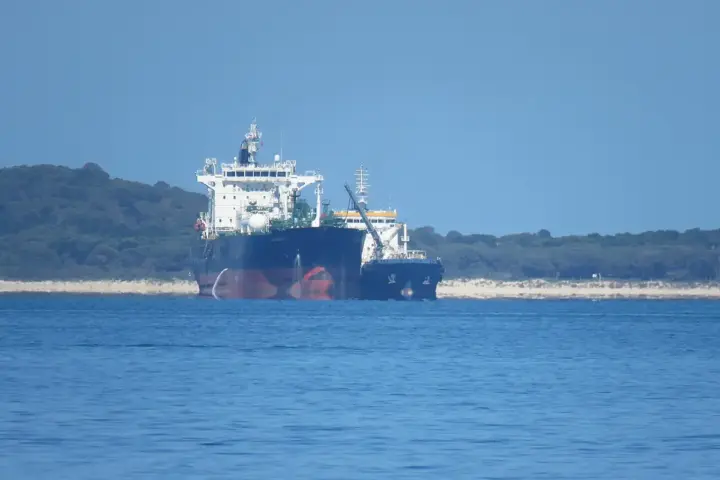
Tara Gas tanker attack in Strait of Hormuz left one crew member missing
Families of crew members and companies moving gas through the Strait of Hormuz may be watching reports about the LPG tanker Tara Gas. UK Maritime Trade Operations and the Joint Maritime Information

Waymo Suspends Bay Area Robotaxis for 22 Hours as Record Rain Strands Vehicles
If you rely on a Waymo ride in San Francisco, plan around a gap that just cost riders almost a full day. The company paused its entire Bay Area robotaxi service on

DENZA BAO 5 Tows 180-Tonne Boeing 747 on Two Wheels in UK Stunt
DENZA says its BAO 5 SUV towed a Boeing 747-400 at Dunsfold Aerodrome in Surrey, using two driven wheels for the final demonstration. The manufacturer’s 18 November release says the aircraft weighed
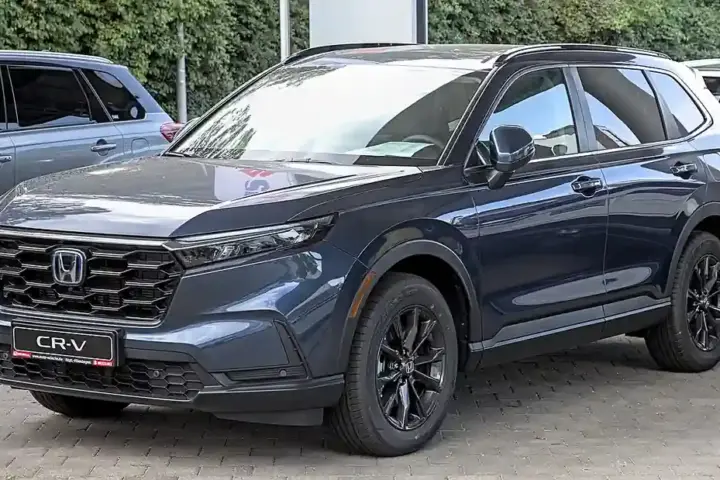
2027 Honda Avancier Arrives in Australia in April With Six Seats and Hybrid AWD
Honda unveiled the new Avancier on 20 November and Australian automotive reports say it is due in local dealerships from April 2027. Honda describes it as a three-row SUV and the first
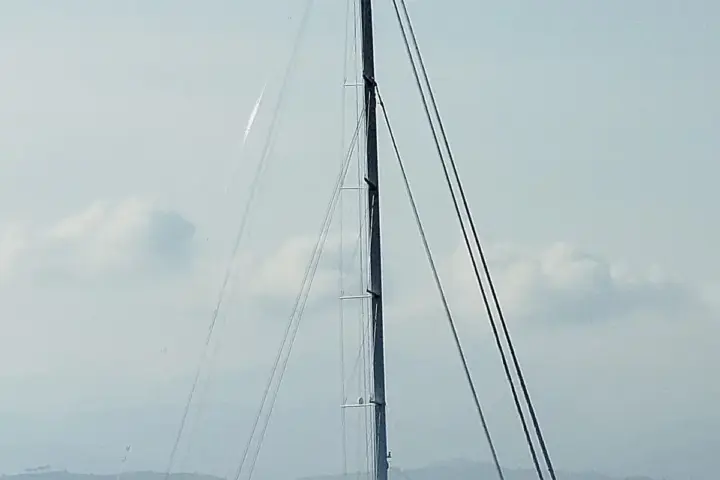
Bayesian Yacht Sinking Report: MAIB Finds 68-Knot Winds Knocked Superyacht Over in 15 Seconds
For yacht crews and owners, the MAIB’s new Bayesian yacht sinking report identifies a specific risk: the yacht’s vulnerability to knockdown in severe winds with no sails set was not identified in
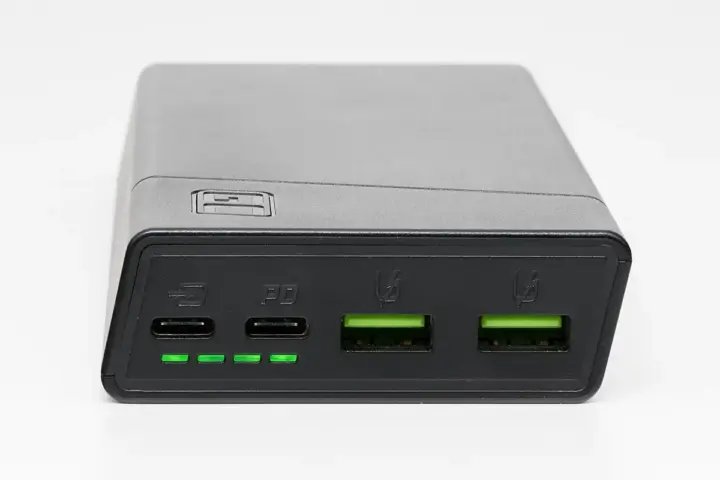
Ororo PD10K-Pro Battery Pack Recalled Over Fire and Burn Risk: Check Serial
If you bought an Ororo PD10K-Pro battery pack between September and October 2026, stop using it now and check the serial number on the back. U.S. safety regulators have recalled the packs
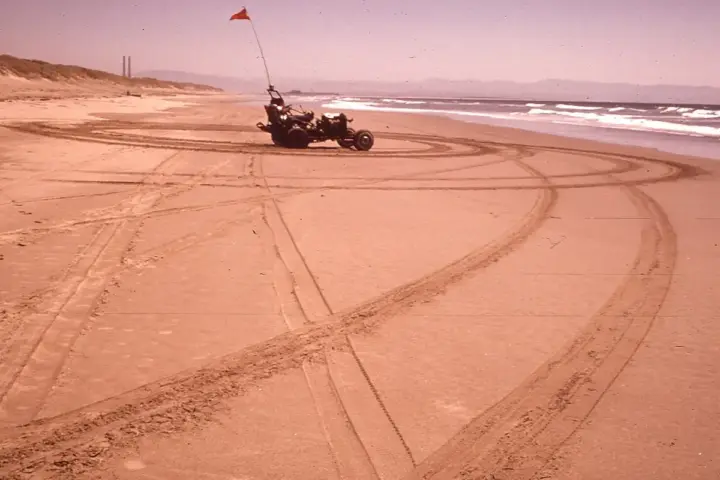
Vanderhall Brawley GTS Recall: 220 Electric Off-Roaders Face CPSC Warning Over Mid-Air Brake Lockup
If a Vanderhall Brawley GTS recall applies to your vehicle, park it until the brake software is updated. The U.S. Consumer Product Safety Commission issued Fast Track Recall No. 27-091 on November