 Govind Tekale
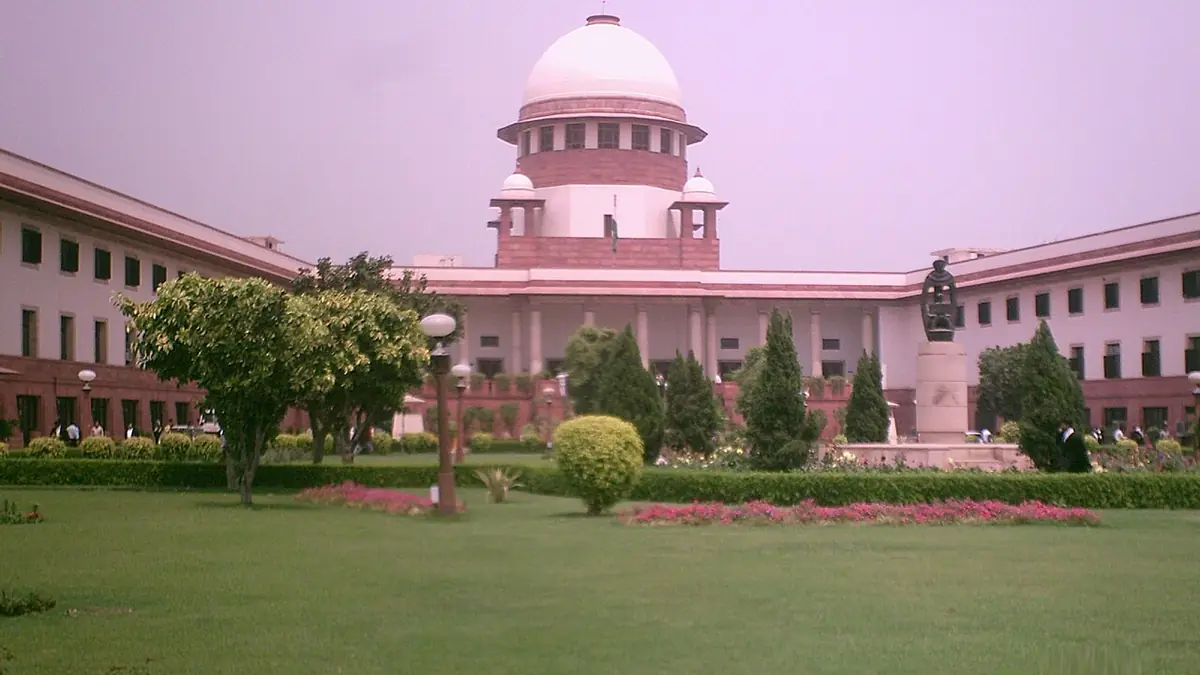
Maharashtra’s Shiv Sena dispute reached a narrow legal question this week: when does disagreeing with your own party become defection? A Supreme Court bench asked the Uddhav Thackeray faction to explain exactly that distinction on the next date of hearing, according to LiveLaw.
The bench of Chief Justice Surya Kant, Justice Joymalya Bagchi and Justice V Mohana put the question to Senior Advocate Kapil Sibal, who appeared for the Thackeray faction, as LiveLaw reported. The court asked him to set out, from his side, what counts as dissent and what counts as defection.
The exchange came after Sibal argued that Eknath Shinde and the other legislators who split away could not claim their move was merely internal dissent. The Chief Justice summarized the opposing argument: the Shinde group says it never left the Shiv Sena, and its objection was only to the alliance with the NCP and Congress.
Why the distinction matters
The case turns on the Tenth Schedule, the constitutional provision that sets out when a legislator can be disqualified for defection. The Thackeray side argues the split amounted to giving up party membership. The Shinde side says it stayed inside the party and only opposed the coalition, which it describes as protected dissent rather than defection.
Justice Bagchi observed that the answer may depend on the nature of the government itself, noting that a legislator who objects to a coalition arrangement faces a different question from one who walks out of a single-party government. Sibal responded that the issue was not the legislative party but the party itself, and warned that accepting the dissent argument would leave coalition politics permanently exposed.
The matters before the court include Uddhav Thackeray’s challenge to the Election Commission of India’s decision recognising the Shinde faction as the official Shiv Sena and allotting it the party symbol, and a petition by Sunil Prabhu challenging the Maharashtra Speaker’s refusal to disqualify Shinde-camp MLAs. The case is Sunil Prabhu v. Eknath Shinde, SLP(C) No. 1644-1662/2024 and connected matters. The hearing resumes on Wednesday.
A ruling either way will reach well beyond this case. If objecting to a coalition is treated as defection, legislators who disagree with their leadership over an alliance could face disqualification. If it is protected dissent, the Tenth Schedule becomes harder to apply to lawmakers who oppose a post-poll arrangement while insisting they remain in the party.
The dispute also carries a political-history dimension, since the Shinde camp has framed the split as a return to the party’s Hindutva identity — an argument Karmactive has seen invoked around Maharashtra’s contested Shivaji legacy. For wider context on how the state’s politics is administered, see Karmactive’s reporting on political pressure on Maharashtra forest officers.