CDC Sodium Report 2026: Average Daily Sodium Intake Falls to 3,104 mg, Still Above 2,300 mg Limit
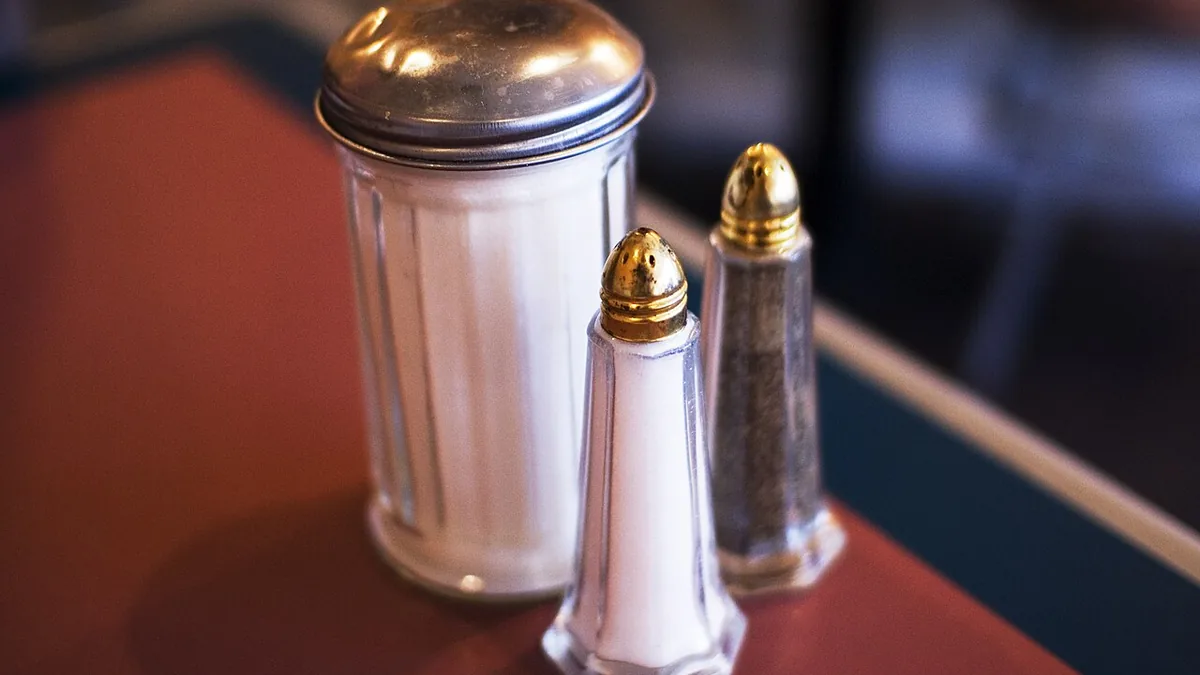
If you have been trying to cut back on salt, new federal numbers offer some good news and a clear warning. Average daily sodium intake among Americans age 1 and older fell to 3,104 milligrams in the most recent national survey. That is down from 3,385.6 mg a decade earlier. Every age and sex group still sits above the 2,300 mg daily limit that health experts set to lower chronic disease risk.
The Centers for Disease Control and Prevention’s National Center for Health Statistics released the findings on November 18, 2026, as NCHS Health E-Stat 124. Researchers used 24-hour dietary recall interviews from the National Health and Nutrition Examination Survey, a nationally representative study of the U.S. civilian noninstitutionalized population. The latest cycle ran from August 2021 through August 2023 and included 6,614 participants age 1 and older. Across that group, mean intake was 3,104.0 mg per day, compared with 3,385.6 mg in 2013-2014. Adult men age 20 and older averaged 3,705.8 mg. Adult women averaged 2,757.0 mg. Children and adolescents ages 1-19 averaged 2,745.0 mg.
Americans cut average daily sodium from 3,385.6 mg to 3,104.0 mg over the past decade. Even so, no age or sex group meets the 2,300 mg daily limit. Adult men still average 3,705.8 mg, more than 1,400 mg above the threshold tied to high blood pressure and heart risk. That gap makes label-checking on packaged foods and restaurant meals a practical daily habit rather than an occasional one.



Latest from Health

CHE-US Magnet Toy Recall: 101,282 Stick Figures Sold on Amazon Over Ingestion Risk
The CHE-US magnet toy recall covers about 101,282 magnetic robot stick figures sold on Amazon.com, and parents should take them away from children now. The U.S. Consumer Product Safety Commission announced the

Critical antibiotic resistance reports jump 25.2 percent in Australia during 2024, AMA warns
You leave the doctor with a script for antibiotics. After two days you feel better, and you wonder if you still need the rest. Or you ask for antibiotics to clear a

International Men’s Day 2026 falls on November 19 with theme The Future Is Everyone
Wondering what International Men’s Day 2026 is about, and whether it’s worth marking? This year’s theme is “The Future Is Everyone.” Here is what the theme says, when the day falls, and

About 100 children at three Adelaide childcare centres may have been exposed to tuberculosis
If your child goes to one of three Adelaide childcare centres, a tuberculosis alert is worrying. Health officials say the risk is low, and affected families are being offered follow-up. Here is

FloLipid FDA withdrawal 2026: missing reports, not safety, put approval at risk
FloLipid is a liquid cholesterol medicine taken as an oral suspension rather than a tablet. Now the U.S. Food and Drug Administration (FDA) has proposed withdrawing its approval. The notice does not

Chinese Scientists’ Electric Comb Restores Hair in Mice: How the Detangle Device Works
If you have pattern hair loss, you have probably tried a foam, a pill or both. Existing drug treatments have drawbacks, including systemic side effects from oral medication and limited results from
Davina McCall Colloid Cyst: How Rare Are Brain Surgeries Like Hers?
Being told you have a cyst in your brain is frightening, especially when you feel well. The story of Davina McCall has led many people to ask if the same could happen

HHS Caregiver AI Prize Challenge winners share $2.25 million: seven tools aid dementia and disability care
If you care for a parent, partner, or adult with a disability, you know the daily load. Scheduling and paperwork pile up fast. Now the federal government is funding tools meant to

Anne Hathaway Welcomes Third Child at 44 as National Birth Rates for Older Mothers Surge Past 130 Percent
Anne Hathaway has welcomed her third child at age 44, drawing widespread public interest to questions about pregnancy and conception later in life. While late pregnancy is a biological reality, medical data
NIST Metabolomics Reference Materials for Urine and Liver: Sex, Smoking, Fatty Liver
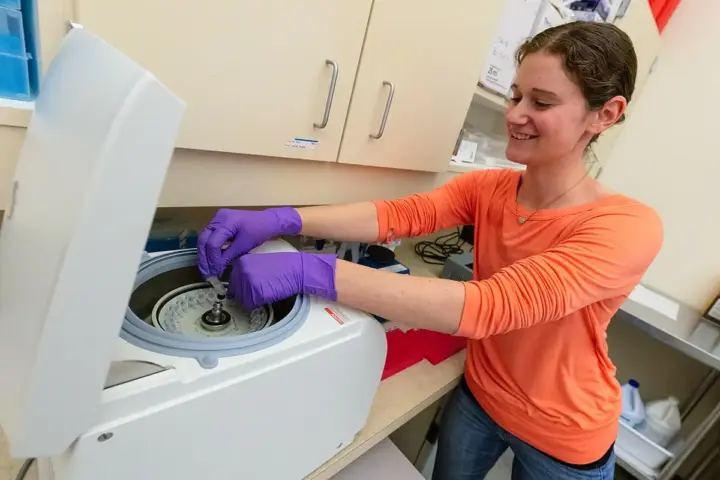
NIST RM 8232 and RM 8462: New Metabolomics Standards for Urine and Liver Testing Two new NIST metabolomics reference materials from the U.S. National Institute of Standards and Technology help labs check

Naia Chocolate Banana Bar Sorbetto Recall: Pistachio Gelato Found in Wrappers
Naia Chocolate Banana Bar Sorbetto Recall: Check Date Codes in Northern California and Reno Check your freezer before you take a bite. Some bars sold as Chocolate Banana Bar Sorbetto in Northern
Advagen Metoprolol Recall Pulls 3,684 Bottles Following Discovery of Foreign Medication Inside Pharmacy Packaging
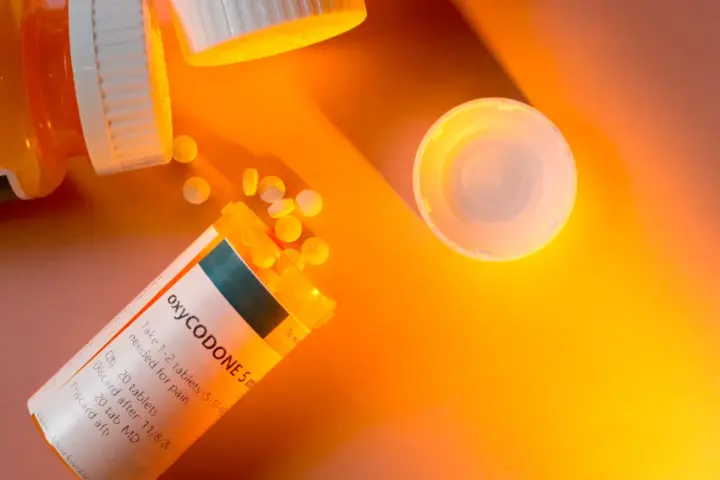
Patients taking generic beta-blockers should check the pharmacy label and call their pharmacist before changing any dose. An Advagen Pharma recall covers metoprolol tartrate 50 mg tablets from one batch, 2611C065A1, in
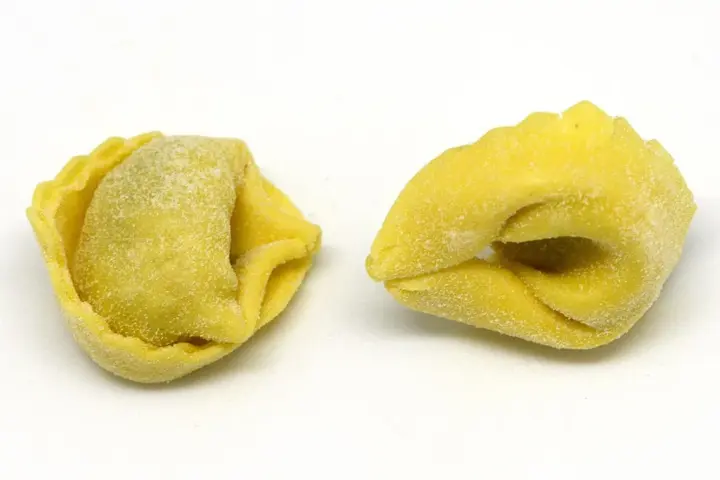
ALDI Priano tortelloni recall: check lot T9101926 before you cook
If you bought Priano Protein tortelloni at ALDI in Alabama, Georgia, North Carolina, or South Carolina, check your fridge before cooking. ALDI is recalling two varieties because they may not have been
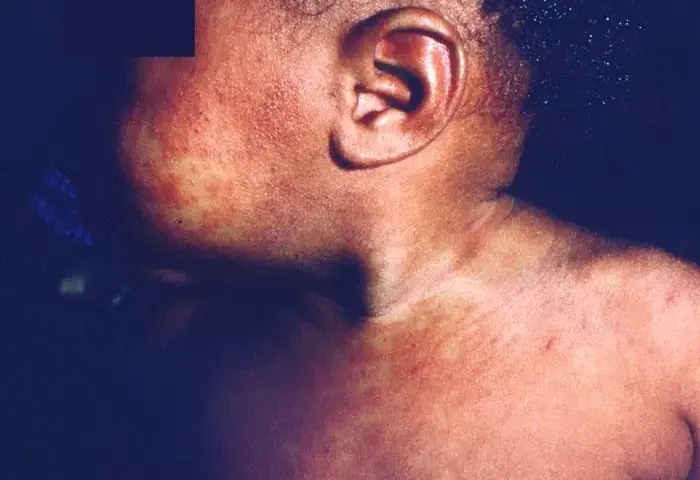
US Loses Measles Elimination Status: 26 Years Reversed as MMR Vaccination Rates Drop
On November 17, 2026, the Pan American Health Organization officially revoked the United States’ measles elimination designation. The country had held this status since 2000. It took 26 years to build and
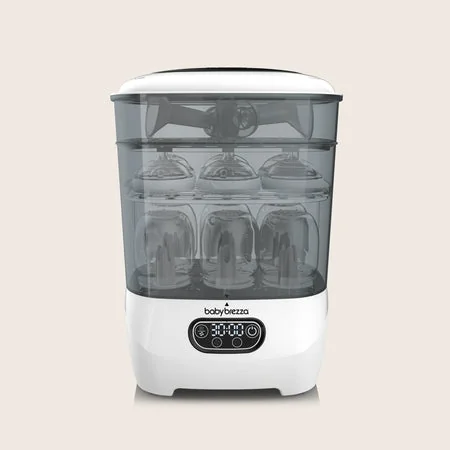
Baby Brezza SuperFast Sterilizer Recall: 33,500 Units Face Burn Hazard
If a Baby Brezza SuperFast Sterilizer Dryer sits on your counter, unplug it now. The U.S. Consumer Product Safety Commission and Baby Brezza announced a formal recall on November 5, 2026, covering