James Webb Space Telescope catches Andromeda’s Bao stellar merger 47 days after peak
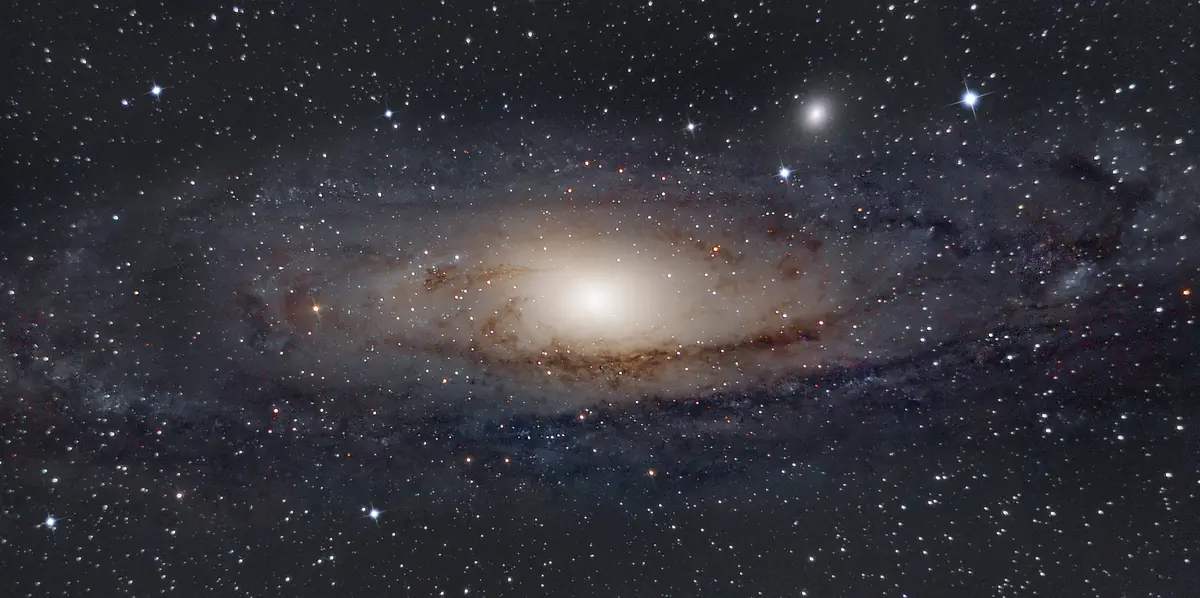
Some stars swallow their partners, and astronomers rarely get to see it happen. Stellar mergers are very hard to watch in real time, because they are very hard to predict. This time, researchers pieced together the story of one in the Andromeda galaxy. NASA’s James Webb Space Telescope observed the system 47 days after the eruption peaked.
NASA’s James Webb Space Telescope helped astronomers reconstruct a stellar merger in the Andromeda galaxy called Bao. The event, officially named AT 2025abao, was described in the journal Nature on November 18, 2026. Viraj Karambelkar, a NASA Hubble Fellow at Columbia University, led the study. Co-authors include Kishalay De of Columbia University, Nadia Blagorodnova of the University of Barcelona, and Karel Temmink of Radboud University. Before the merger, the larger star, nicknamed “Big Bao,” was seven times the mass of the Sun and 350 times its radius. It was 18,000 times brighter than the Sun. Its smaller companion, “Little Bao,” was about 0.7 times the Sun’s mass, with a slightly smaller radius and lower brightness than the Sun.
For most readers, the practical value is in how they read the next wave of space news. This study gives astronomers a detailed example of how a merger unfolds, which can make similar events easier to recognize. NASA’s Nancy Grace Roman Space Telescope, which launched in 2026, has planned surveys that may reveal more sudden, bright events in the sky. When you see a headline about a star suddenly flaring up, you will now know the basic pattern scientists look for.


Latest from Science
NASA 3D Wildfire Map of California Can Spot Single Trees at 1 Square Meter
If your home sits where California’s forests meet neighborhoods, wildfire risk can depend on details as small as a single tree. On November 18, 2026, NASA published an announcement about a 3D
Chimpanzee Tool Use Found 230 km Farther South in Tanzania’s Loasi Forest
Scientists Document Chimpanzee Tool Use About 230 km Farther South in Tanzania’s Loasi Forest Wild chimpanzee tool use in Tanzania’s Loasi Forest Reserve reaches farther south than scientists had recorded. The study
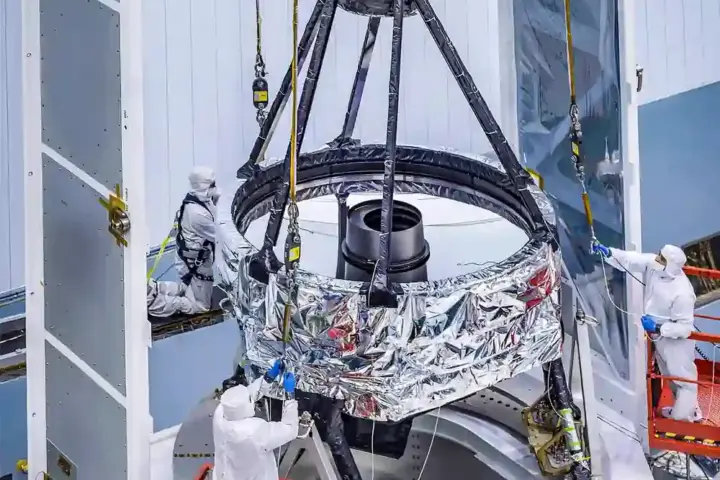
NASA Sets Dec. 7 for Roman Space Telescope First Images—How to Watch Live and Adopt a Pixel
Want to see the Roman Space Telescope first images when they arrive? Mark Monday, December 7, 2026. NASA will release them live at 3:30 p.m. Eastern time, and you can take part
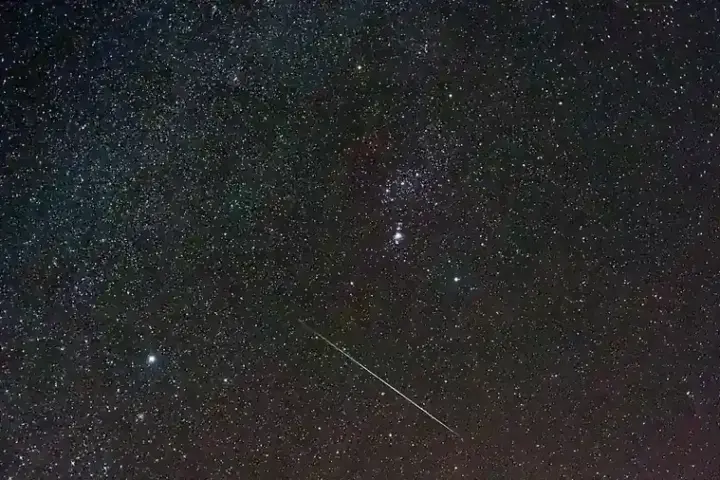
Leonid Meteor Shower Peaks at 71 Kilometers Per Second With Stargazers Still Tracking Shooting Stars Through November 30
If you missed the peak of the Leonid meteor shower, you can still spot shooting stars in the night sky. While the shower has passed its maximum activity window, meteors will continue
Pure Sulfur Rocks on Mars Explained as New Studies Solve NASA Curiosity Rover Yellow Crystal Mystery
NASA’s Curiosity rover cracked a pale rock in Mars’s Gediz Vallis channel and found bright yellow crystals of pure elemental sulfur. The discovery was surprising because volcanic activity and hot springs, typical
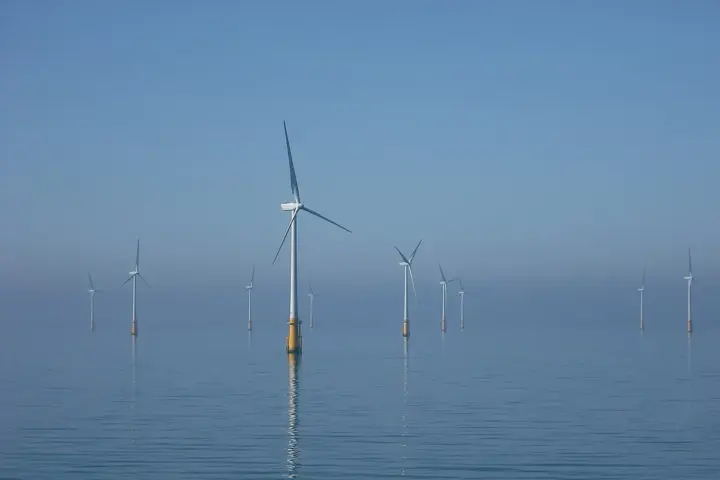
UK-Australia Strategic Innovation Dialogue: Quantum, Offshore Wind and Satellite Data
Do you run a deep-tech company, build offshore wind projects, or do genomics research in the UK or Australia? A new joint statement sets out where government cooperation is heading next. It
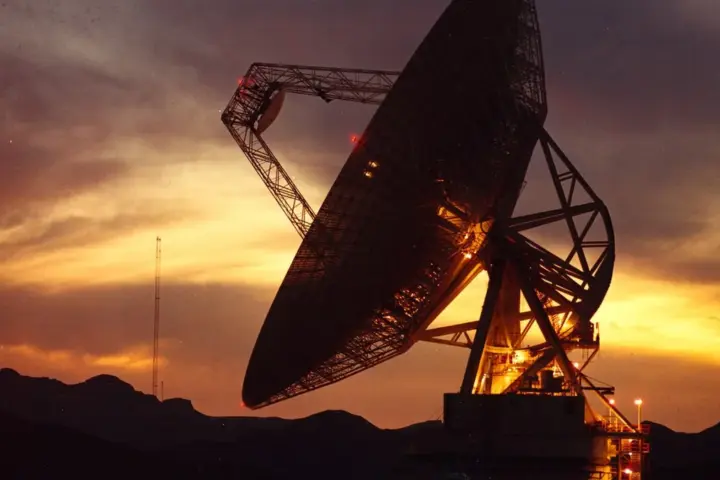
Voyager 1 Officially Reaches One Light-Day From Earth at 10:16 UTC After Traveling Over 16 Billion Miles
NASA’s Voyager 1 spacecraft has officially become the first human-made object in history to reach a distance of one light-day from Earth. NASA’s Jet Propulsion Laboratory confirmed that the probe crossed the
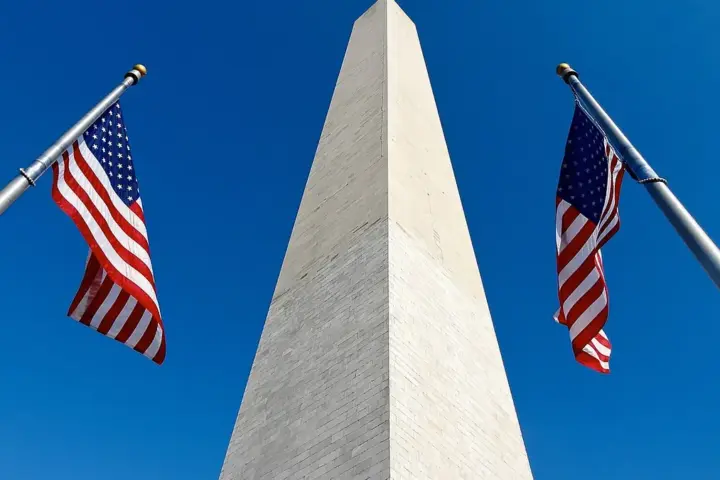
Supreme Court Rejects Trump Appeal Over $59M in Canceled University of California Research Grants
University of California researchers can continue operating under reinstated National Science Foundation and National Endowment for the Humanities grants that had about $59 million remaining when they were terminated, with expiration dates
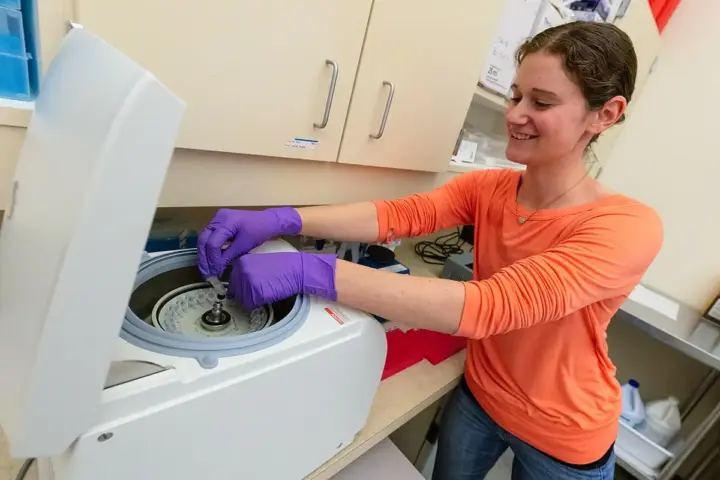
NIST Metabolomics Reference Materials for Urine and Liver: Sex, Smoking, Fatty Liver
NIST RM 8232 and RM 8462: New Metabolomics Standards for Urine and Liver Testing Two new NIST metabolomics reference materials from the U.S. National Institute of Standards and Technology help labs check
NASA Terra Satellite Mission Ends December 2026 After 27-Year Earth Observation Record
Built for six years, NASA’s Terra satellite lasted 27—and on December 1, 2026, its science instruments go silent for good. The flagship Earth Observing System (EOS) spacecraft, launched December 18, 1999, will
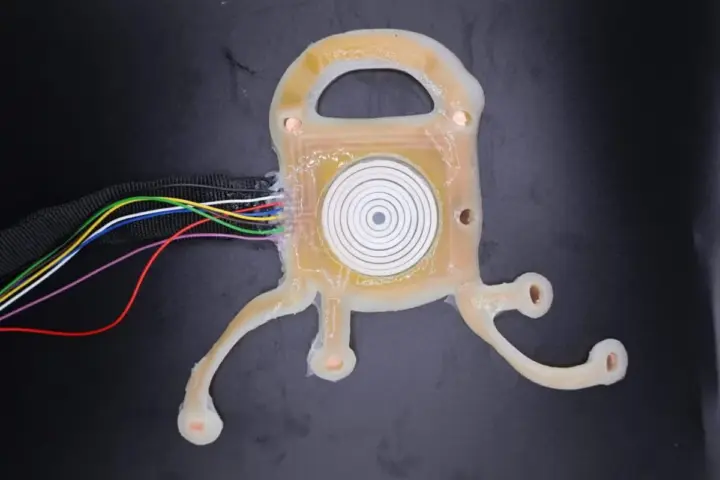
Wearable Ultrasound Patch Reaches REM Sleep 43 Minutes Faster in UT Austin NEUSLeeP Study
You lie awake in the dark, body exhausted but mind still cycling through the day’s unfinished pressure. By the time you finally drift off, the alarm is only a few hours away
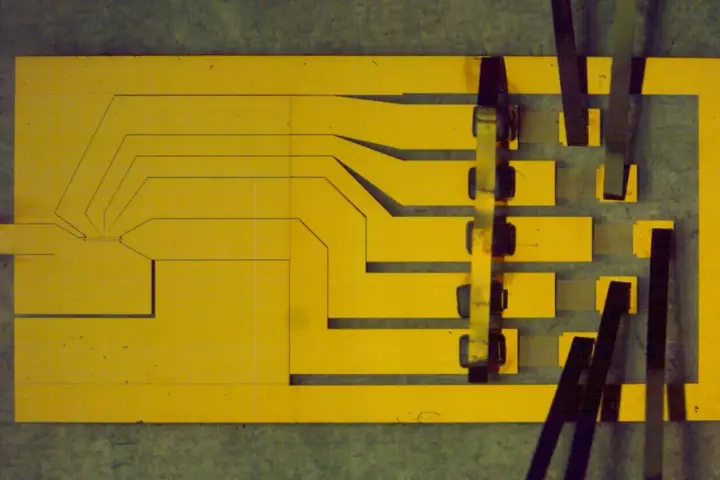
Analog Quantum Simulation Verification: 51-Ion System Earns Certified Error Bounds
**Scientists Address analog quantum simulation‘s verification Challenge With Certified Error Margins on a 51-Ion System** When a trapped-ion quantum simulator scales beyond roughly 50 ions, verifying its outputs with classical methods becomes

Criblike Mattress Recall (XCD-001, XCD-002, MNCL-001): Amazon Suffocation Risk & Refund Steps
Criblike Mattress Recall (XCD-001, XCD-002, MNCL-001): Amazon Suffocation Risk & Refund Steps If you bought a white Pack and Play mattress or mini-crib mattress on Amazon between June and September 2025, check
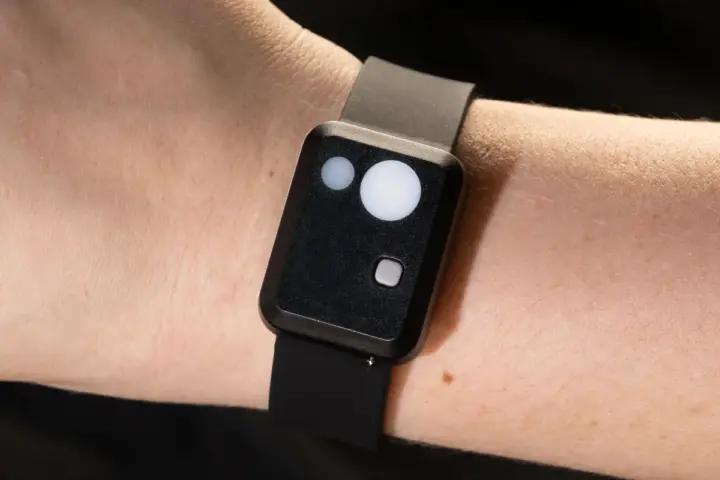
Morning Naps Mortality Risk: 30% Higher in Older Adults, 19-Year Study
Morning Naps Mortality Risk: 30% Higher in Older Adults, 19-Year Study If you are over 60 and find yourself drifting off in the morning more often than before, or you have noticed
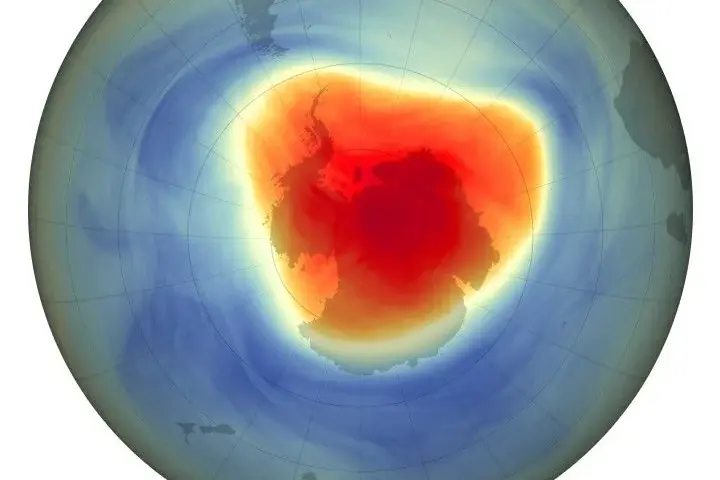
2026 Ozone Hole Largest in a Decade: NOAA & NASA Say Recovery on Track
2026 Ozone Hole Hit 10.5 Million Sq Mi, Largest in a Decade: Why NOAA Says Recovery Is Still on Track The largest Antarctic ozone hole in ten years just appeared in NOAA