Rahul Somvanshi
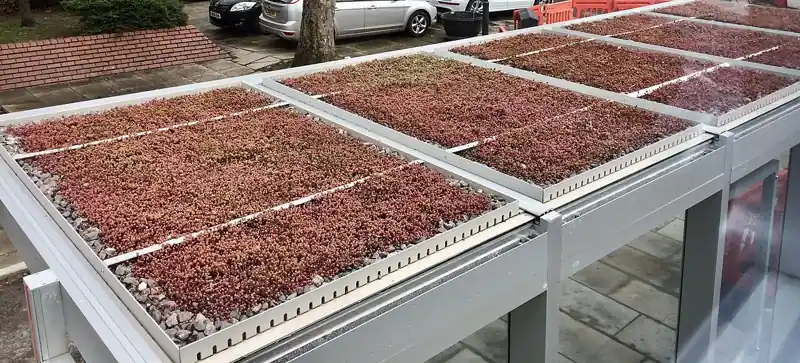
Peterborough has approved a new bus-shelter contract that could bring living roofs — mini-gardens planted with wildflowers and other vegetation — to 34 locations across the city.
The council’s Cabinet approved a 10-year concession contract with Bauer Media Outdoor UK Ltd on October 27 for the supply, installation, operation and maintenance of bus shelters. The official decision record confirms the contract begins on November 1, 2026 and concerns 34 existing bus-shelter or advertising units. BBC reporting says the shelters could include Living Roofs, planted areas designed to boost biodiversity.
Green-roof shelters can provide a small but useful habitat in heavily built-up areas. Wildflowers and other low-growing plants can offer forage for insects when they flower, while the soil and vegetation can also help slow rainwater runoff and slightly reduce heat around hard surfaces.
Small roofs, wider urban value
A bus shelter roof is not a replacement for parks, gardens or connected wildlife corridors. But it can make use of space that otherwise has no ecological role. Repeating the idea across 34 shelters gives the scheme more value than a single demonstration project, especially where the roofs are spread across different neighbourhoods.
For passengers, the change will be visible as new vegetation above shelters rather than a change to bus services. For pollinators, the benefit will depend on the plant mix, maintenance and whether the sites connect with street trees, gardens, verges and other flowering spaces nearby.
The plan also adds a nature-based feature to routine transport infrastructure. Most bus shelters are designed solely for weather protection and advertising. A planted roof uses the same footprint to serve an additional purpose without needing new land.
How many Peterborough bus shelters could get living roofs? The new contract relates to 34 bus-shelter locations. The city council has said those sites could include Living Roofs; the contract decision itself does not state that every shelter will receive one.
As the shelters are installed, the project will offer a practical test of how small, distributed green spaces can contribute to a more wildlife-friendly city. Its real measure will be whether the roofs are maintained as living habitat over time, rather than treated as a one-off visual upgrade.