 Govind Tekale
Top Races on the 2026 Ohio Ballot: Senate, Governor, and Energy Stakes
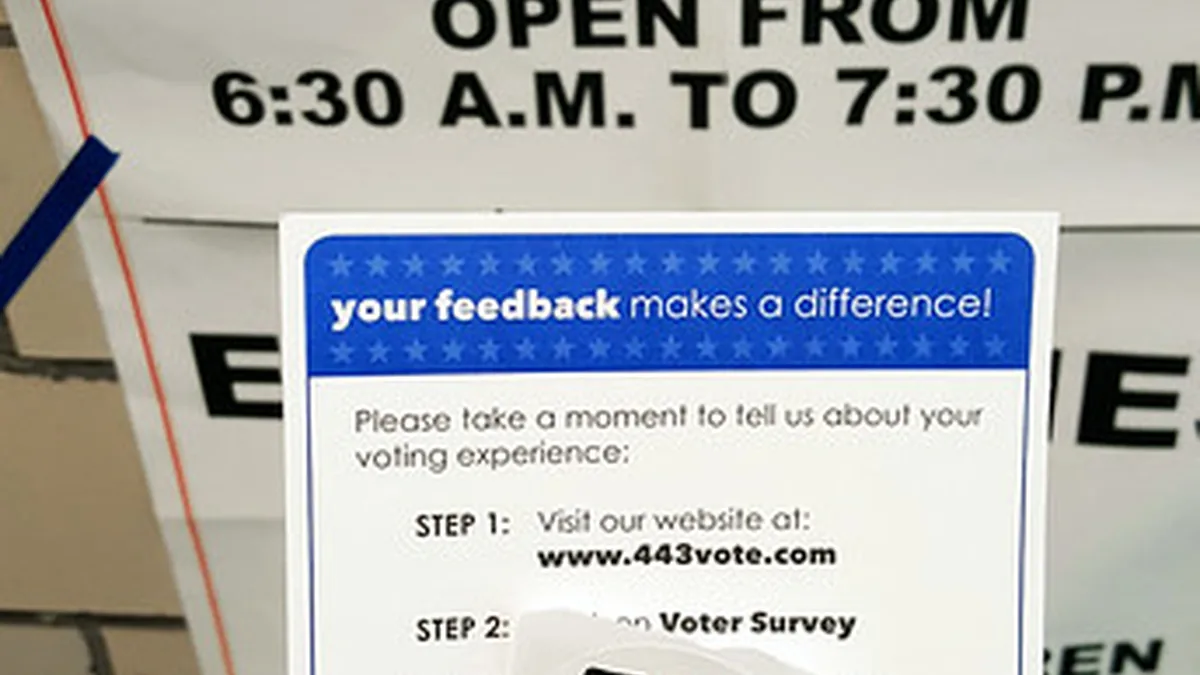
Ohio voters head to the polls Tuesday, November 3, 2026, with polls open from 6:30 a.m. to 7:30 p.m. Eastern Time. The 2026 Ohio election guide covers the most expensive Senate race in the country and the first open governor’s seat in eight years. The U.S. Senate special election pits appointed Republican incumbent Jon Husted against former Democratic Senator Sherrod Brown, who is attempting a comeback after his 2024 loss to complete the term vacated by Vice President JD Vance. The governor’s race features Republican biotech entrepreneur Vivek Ramaswamy against Democratic former state health director Dr. Amy Acton. Key U.S. House battlegrounds include OH-09 with Marcy Kaptur versus Derek Merrin, OH-13 with Emilia Sykes, and OH-01 with Greg Landsman versus Eric Conroy.
If you show up to an Ohio polling place on Tuesday with an expired driver’s license, an out-of-state college ID, or a utility bill, you will be forced to cast a provisional ballot that will not count unless you visit the county Board of Elections within four days. Likewise, mail-in ballots dropped in a mailbox on Election Day without a November 2 postmark are legally disqualified, meaning today is your final postmark window.
Top Races on the 2026 Ohio Ballot: Senate, Governor, and Energy Stakes
The Senate special election exists because JD Vance resigned his seat to become vice president. The winner serves only until January 2029 to finish Vance’s 2022 term, meaning the seat is up again in 2028. Pre-election polling through November 1 shows Brown holding a narrow 2.7 to 2.9 percentage point edge at 48.9 percent to Husted’s 46.1 percent, with 6.1 to 6.5 percent of likely voters still undecided.
Federal Election Commission filings through November 1 reveal a massive fundraising disparity. Challenger Sherrod Brown has raised $68.4 million and spent $63.9 million. Incumbent Jon Husted has raised $19.8 million and spent $15.6 million. Yet both campaigns entered the final 48 hours with nearly identical cash on hand, $4.45 million for Brown and $4.24 million for Husted.
The governor’s race presents a sharp policy divide on Ohio’s energy future. Ramaswamy campaigns on coal and natural gas deregulation plus nuclear expansion. Acton emphasizes public health air and water standards and clean-energy job retention. Ohio’s utility grid faces unprecedented strain from hyperscale data centers and Intel and EV battery plants. The outcome will shape state utility regulation, natural gas fracking on state lands, and grid demand from Ohio’s booming AI data center corridor through 2031.
In the House, Marcy Kaptur faces her toughest reelection test in decades in OH-09. Emilia Sykes defends OH-13 in a district redrawn after the 2020 census. Greg Landsman seeks a second term in OH-01 against Eric Conroy. These races could determine partisan control of the U.S. House.
Despite being the sitting incumbent appointed to JD Vance’s old seat, Republican Jon Husted has been outspent more than four to one by Democratic challenger Sherrod Brown, $63.9 million to $15.6 million in direct campaign disbursements, according to pre-election FEC filings. Yet heading into the final 48 hours, both campaigns sit on virtually identical cash reserves, $4.45 million for Brown and $4.24 million for Husted, while more than 6 percent of likely Ohio voters remain undecided.
What forms of photo ID are accepted to vote in Ohio in 2026? Ohio voters must present an unexpired photo ID issued by the State of Ohio or the U.S. government. Accepted documents include an Ohio driver’s license, state ID card, U.S. passport, or U.S. military ID including VA ID cards. Utility bills, bank statements, out-of-state licenses, and student IDs are not accepted for in-person voting.
Check your precinct location at the Ohio Secretary of State website before heading out. First absentee returns typically begin reporting shortly after polls close at 7:30 p.m. Eastern Time on Tuesday night.