 Tejal Somvanshi
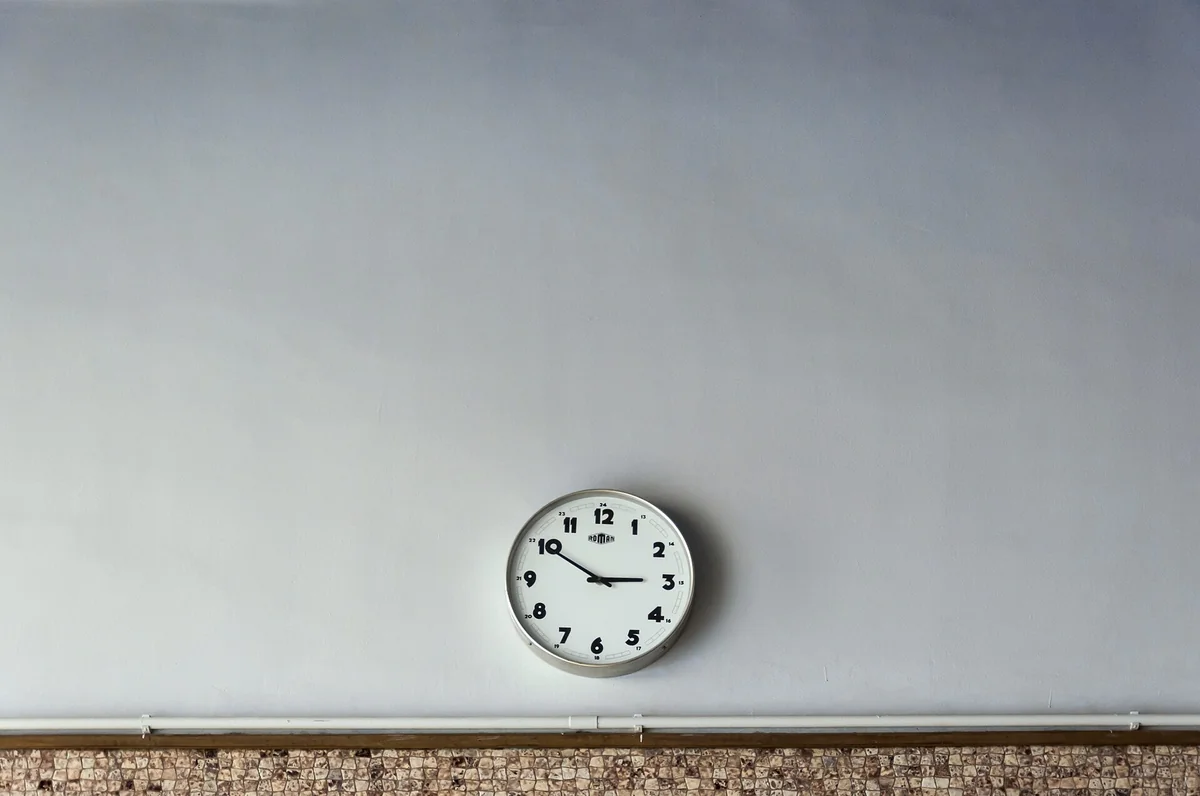
Daylight saving time ends in the United States on Sunday, November 1, 2026. Clocks turn back one hour at 2:00 AM, reverting to standard time. If you go to sleep at your normal hour on Saturday night, you wake up with an extra hour.
Smartphones and internet-connected devices adjust automatically. Any clock you set manually — a car dashboard, a wall clock, a standalone alarm clock, a microwave — needs to be moved back one hour before bed Saturday night. The phrase “fall back” applies directly: the clock goes backward, so an 8:00 AM reading on your manual clock becomes 7:00 AM.
The switch affects more than clocks. Evening darkness arrives roughly one hour earlier starting Sunday afternoon. Parents with children and pet owners on fixed morning schedules should expect a few days of adjustment as internal rhythms realign to the new light pattern. The American Academy of Sleep Medicine has stated that seasonal clock changes can temporarily disrupt sleep-wake cycles — consult the AASM’s guidance directly for specifics on the autumn transition.
Anyone with time-critical medication schedules should follow their prescription instructions or ask their clinician or pharmacist about managing the hour change. Hospital and emergency service workers should check their facility’s timekeeping procedures for the 1:00 AM to 2:00 AM overlap on November 1.
You gain an hour of sleep. At 2:00 AM the clock moves back to 1:00 AM, effectively running that hour twice. The trade-off is darker evenings earlier in the day for the next four months, until daylight saving resumes on March 14, 2027.
Congressional efforts to end the biannual clock change, including the Sunshine Protection Act, have been debated across multiple sessions without becoming law. Sleep researchers and commercial retail lobbies support opposite outcomes — the American Academy of Sleep Medicine advocates for permanent standard time, arguing it better aligns with human circadian rhythms, while retail and entertainment interests prefer permanent daylight saving time for its later evening light. Until legislation is signed into law, the twice-yearly switch continues.
Europe already turned its clocks back today, October 25. That creates a one-week period where the US-Europe time zone gap is one hour shorter than normal — relevant for anyone scheduling transatlantic calls or meetings this week before the US catches up on November 1. Check your local health resources if the time shift affects a medication schedule that runs on strict intervals.