 Govind Tekale
If you or someone in your family is undocumented and living in Texas, Louisiana, or Mississippi, a federal appeals court has ruled that detained immigrants in those states cannot demand a bond hearing during immigration detention. The ruling also affects people transferred to ICE detention centers in the region after being arrested elsewhere.
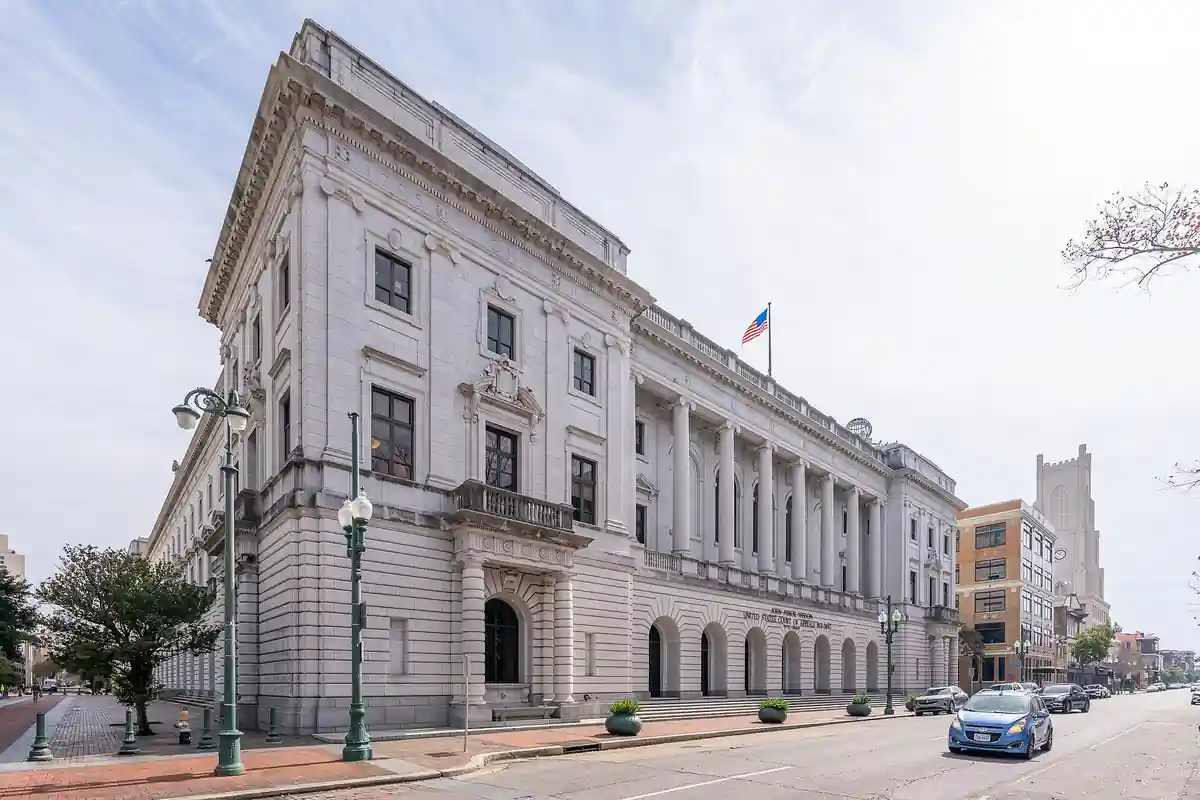
The United States Court of Appeals for the Fifth Circuit issued a 10-7 en banc ruling — meaning the full court, not a smaller panel — holding that federal immigration law permits the mandatory detention of immigrants who entered the country without authorization, without an individualized bond hearing, during removal proceedings. The majority opinion was written by Judge Cory Wilson. The lead case is captioned Sosnava Rodriguez v. Vergara, No. 26-50183, and involved migrants who had lived in the US for years. The 5th Circuit covers federal courts in Texas, Louisiana, and Mississippi.
For undocumented immigrants arrested within Texas, Louisiana, and Mississippi — or transferred to ICE detention centers in those states — the ability to seek a bond hearing is blocked under this ruling, regardless of community ties, length of US residence, or absence of criminal history. Detainees face detention for the full duration of deportation proceedings, which can last months to years, unless a court issues a stay or a higher court changes the legal framework.
A Ruling That Conflicts With Multiple Other Federal Courts
The Fifth Circuit’s decision conflicts with rulings from multiple other federal circuit courts that have held detained immigrants are entitled to individualized bond hearings after a period of custody. The breadth of disagreement across federal courts has already drawn attention at the Supreme Court level: SCOTUS has agreed to hear Rhoney v. Barbosa da Cunha, a case involving the same underlying statutory question — whether mandatory-detention provisions apply to undocumented immigrants already living inside the United States — which suggests a national resolution may be coming.
Judge Wilson’s majority reasoning rested on the position that undocumented immigrants who entered the country without authorization hold no constitutional liberty interest that requires individualized bond hearings before detention. The majority stated that detainees “can be free at any moment by agreeing to leave the country” — a characterization Judge Leslie Southwick’s dissent challenged, arguing it fails to account for established due process principles in detention law.
The geographic reach of this ruling extends beyond the three states the Fifth Circuit formally covers. ICE routinely transfers detainees from facilities elsewhere in the country into detention centers in Texas and Louisiana. While detention location does not automatically change which circuit’s law governs a particular case, the practical effect of this ruling — combined with ICE’s transfer practices — means detainees held in Texas and Louisiana facilities face a significantly different legal environment than those held in circuits with bond-hearing requirements. Immigration attorneys are advising clients to document all facility transfer paperwork and preserve any filings from the originating jurisdiction.
For mixed-status families, the immediate practical reality is this: anyone detained by ICE in a Fifth Circuit facility will face a much higher bar to securing release during removal proceedings under this ruling. Legal advocates are urging detained individuals to seek representation immediately rather than waiting to see how pending Supreme Court proceedings develop.
Can ICE now hold immigrants without bond in the Fifth Circuit? Under this ruling, yes — the court held 10-7 that federal law permits mandatory detention without an individualized bond hearing for undocumented immigrants who entered without authorization and face removal. The ruling specifically addressed people treated as applicants for admission under federal immigration statute.
The most direct next legal step to watch is the Supreme Court’s handling of Rhoney v. Barbosa da Cunha, which addresses the underlying statutory question. Immigration legal aid resources and emergency representation contacts are available for those who qualify. Stay with Karmactive’s immigration coverage for updates as the Supreme Court docket develops.