Rahul Somvanshi
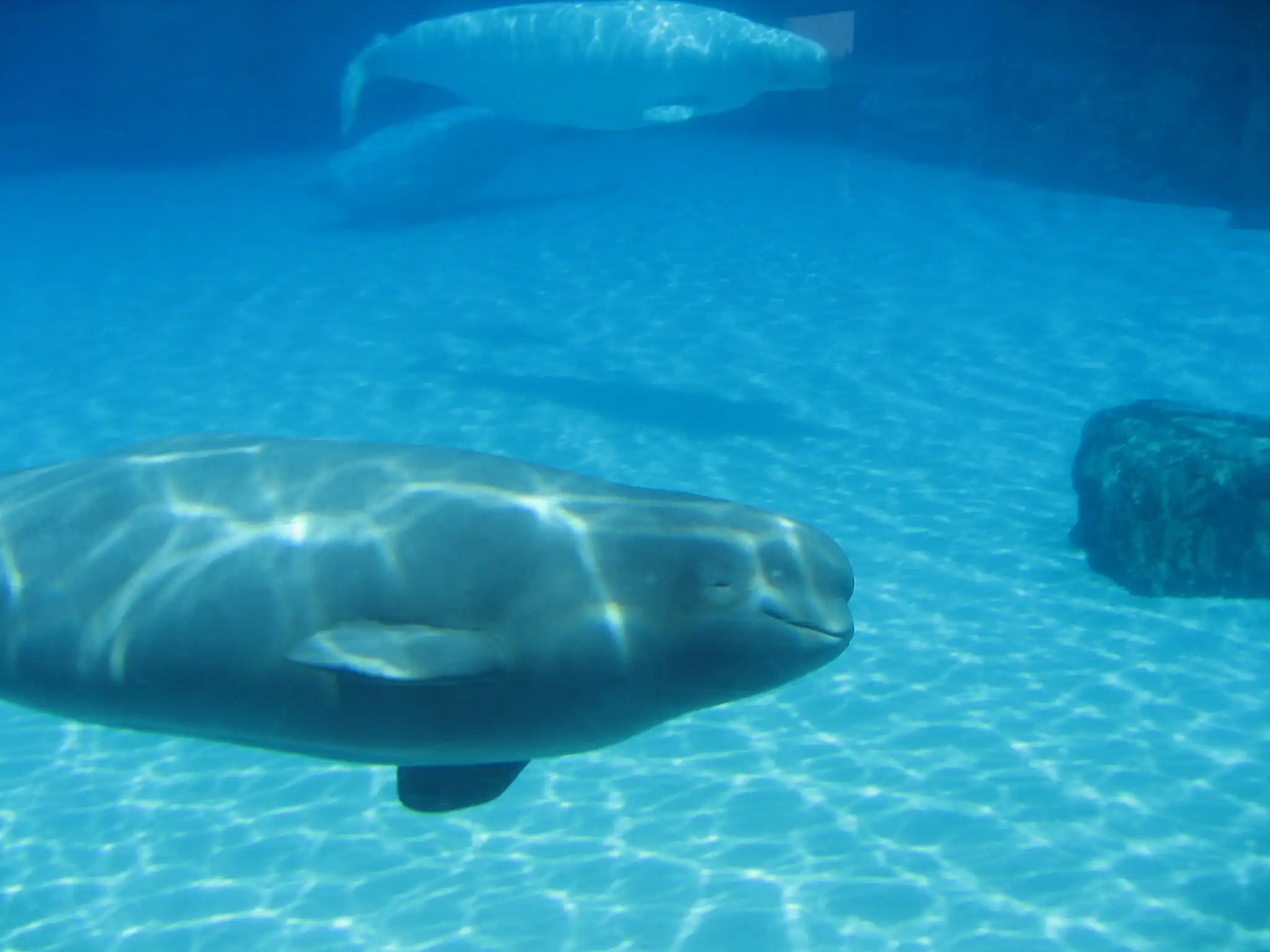
Eight weeks was all Cyprus got. The 9-year-old male beluga arrived at SeaWorld San Diego from Canada’s Marineland facility—which closed in 2024—on August 22, 2026. He died on Sunday, October 18, less than two months into a post-transfer acclimatization period. SeaWorld announced he stopped eating in his final days, with his food refusal beginning around the Friday prior, approximately two days before his death.
SeaWorld San Diego announced that Cyprus stopped eating entirely in his final days. Ultrasound imaging revealed acute gastrointestinal abnormalities. Round-the-clock intensive veterinary care—emergency diagnostics, fluid therapy, and monitoring by zoological and veterinary teams—proved insufficient. A full necropsy with histopathology and toxicology analysis is now underway. Results will be shared with the National Oceanic and Atmospheric Administration (NOAA) once complete. Cyprus is the sixth beluga from the Marineland rescue operation to have died since transfers began.
Cyprus’s sudden death underscores the profound physiological risks of moving large captive cetaceans, even when emergency transfers are launched to rescue animals from substandard facilities. For the public and animal advocates, this loss intensifies legislative pressure on both the U.S. and Canadian governments to fund permanent, protected coastal open-water sea sanctuaries rather than shifting vulnerable whales into commercial display tanks during corporate park closures.
The Marineland Exodus: When Rescue Meets Translocation Risk
Marineland in Niagara Falls, Ontario closed in 2024 amid years of regulatory investigation and documented animal welfare violations. Ontario’s Animal Welfare Services issued multiple provincial compliance orders against the facility between 2020 and the closure year. When Marineland shut its doors, Canadian federal export authorization under the *Ending the Captivity of Whales and Dolphins Act* (Bill S-203) permitted the relocation of 30 belugas and four dolphins to AZA-accredited facilities in the United States and Spain. SeaWorld San Diego, Shedd Aquarium, and Mystic Aquarium were among those that took in animals. The final six belugas—including Cyprus, who arrived alongside Xavier and Jasper—completed the transfer in late August 2026.
Cyprus was not alone in struggling after relocation. Four belugas died at Chicago’s Shedd Aquarium between August and October 2026, and one died at Oceanogràfic de València in Spain. Cyprus at SeaWorld San Diego is the sixth death in the rescue cohort.
The biological vulnerability of captive-born belugas to translocation is well-documented. Physiological stress responses interact unpredictably with pre-existing conditions accumulated under substandard captive care—compromised water filtration, overcrowding, and chronic stress that can suppress immune function and disrupt gastrointestinal motility. Cyprus died on day 57 of an acclimatization window specifically designed to allow his body to adjust.
Why did the beluga whale Cyprus die at SeaWorld? Cyprus, a 9-year-old male beluga, died after suddenly refusing food and developing acute gastrointestinal abnormalities less than two months after arriving from Canada’s closed Marineland facility. Emergency diagnostics and fluid therapy were administered, but he did not recover. Necropsy and histopathology results will be shared with NOAA to determine the precise underlying cause of death.
The final necropsy report will be critical—not just for understanding Cyprus’s individual case, but for informing how future captive cetacean emergency transfers are designed, staged, and medically managed. Check back for updates when official pathology results are released. Coverage of regulatory protections for marine mammals and institutional animal welfare accountability provides broader context for this case; previous reporting on whale encounters at sea underscores the resilience—and fragility—of large cetaceans under pressure.
—