 Tejal Somvanshi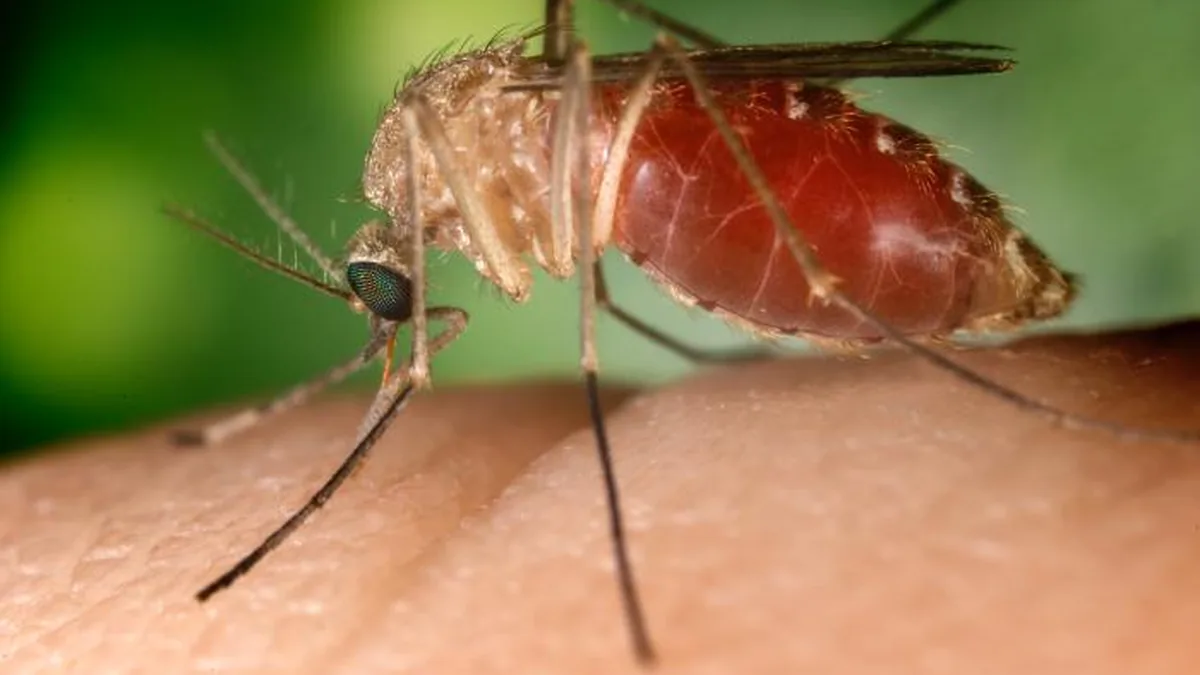
West Nile virus has killed two adults in central North Carolina, state health officials confirmed this month — and the mosquitoes responsible are still active. The North Carolina Department of Health and Human Services issued a public health advisory warning that unseasonably warm autumn temperatures are extending the transmission window well past the dates most people assume the risk has passed.
The NCDHHS confirmed two adult fatalities in central North Carolina from West Nile virus in October 2026, without specifying county identities to protect patient privacy. The agency's advisory noted that older adults and people with compromised immune systems face the highest risk of severe neurological complications from infection. CDC current-year West Nile surveillance tracks West Nile cases nationally; no human vaccine or approved antiviral treatment for the disease currently exists. Transmission depends entirely on infected Culex mosquito bites, and prevention relies on avoiding exposure.
North Carolina residents, especially older adults and individuals managing compromised immune systems across the central Piedmont, face continued vector-borne infection risks as unseasonal autumn warmth extends mosquito activity. Homeowners should immediately inspect properties following recent rainfall, emptying standing water from flower pots, gutters, and outdoor containers where Culex mosquitoes breed. Anyone spending time outdoors between dusk and dawn must apply EPA-registered insect repellent containing DEET, wear treated long sleeves, and inspect window screens.
The calendar date doesn't shut down mosquito season — temperature does. Female Culex mosquitoes enter a dormant state called diapause when sustained overnight temperatures drop consistently below 50°F. Because overnight lows across the central North Carolina Piedmont have remained in the upper 50s and low 60s through mid-October, the mosquito population has stayed metabolically active, continuing to feed, transmit virus, and reproduce. Michigan West Nile case and prevention guide.
Most West Nile infections produce no symptoms or mild flu-like illness. But fewer than 1% of infected individuals develop neuroinvasive disease — encephalitis or meningitis — and among hospitalized patients over age 60, the fatality rate for that severe form approaches 10%. The two central North Carolina deaths fall within that high-risk demographic profile.
Residents in Wake, Durham, Orange, and Guilford counties — and surrounding central Piedmont areas — should continue personal protection measures until the first sustained overnight frost, not simply when October begins. Read the CDC's guidance on West Nile virus symptoms and when to seek emergency care.
NCDHHS updates North Carolina's seasonal case totals as additional reports are confirmed. A sustained temperature drop in the coming weeks will mark the practical end of this season's transmission window.