Rahul Somvanshi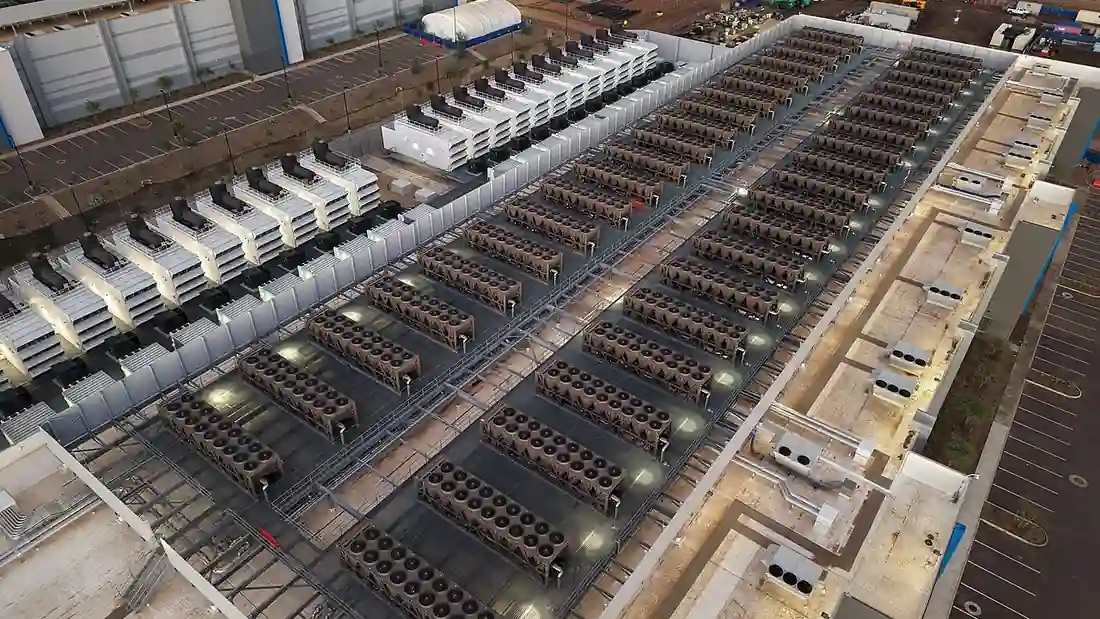
Spartanburg County’s new pause on some data-centre development has put a sharper focus on water demand from the NorthMark Strategies project already under construction. The county’s moratorium does not halt that project, which is commonly referred to in local coverage as the Valara data centre.
Public concern has grown after the project’s projected daily water demand was reported at between 1.2 million and 1.6 million gallons. That range has appeared across recent local reporting, including coverage by WYFF, WSPA and other South Carolina outlets. It is substantially higher than the project’s earlier estimates reported by local media.
The precise impact will depend on the project’s final design, operational schedule and the capacity of the utilities serving it. The figure is a projected demand, not a record of water already used. But it has become central to residents’ questions about whether water, power and road infrastructure can keep pace with large computing facilities.
Spartanburg County Council passed a data-centre moratorium after public debate, according to multiple local reports. The measure included limits and exemptions that left the NorthMark project outside the new pause. That distinction matters: a moratorium can shape future applications without automatically changing approvals already granted or projects already under development.
The dispute is part of a wider policy question facing fast-growing data-centre markets. Cooling systems can require substantial water, while facilities also need reliable electricity and transmission capacity. A proposed facility’s effect on a community cannot be measured from one water number alone. Residents and officials also need clear information on the water source, seasonal demand, wastewater handling, conservation plans and what happens when supplies are stressed.
How much water could the NorthMark data centre use? Recent local reports put the projected demand at 1.2 million to 1.6 million gallons a day. Those figures should be treated as project estimates until operating data are available. The relevant question for Spartanburg’s residents is how that demand will be supplied and managed alongside existing household, business and emergency needs.
The reel correctly identifies the project’s water estimate and the moratorium’s carve-out as the core local issues. Its broader political arguments are campaign positions. The next public tests will be whether utilities and county officials disclose the underlying demand assumptions and how they plan to protect service for existing customers as construction moves forward.