 Tejal Somvanshi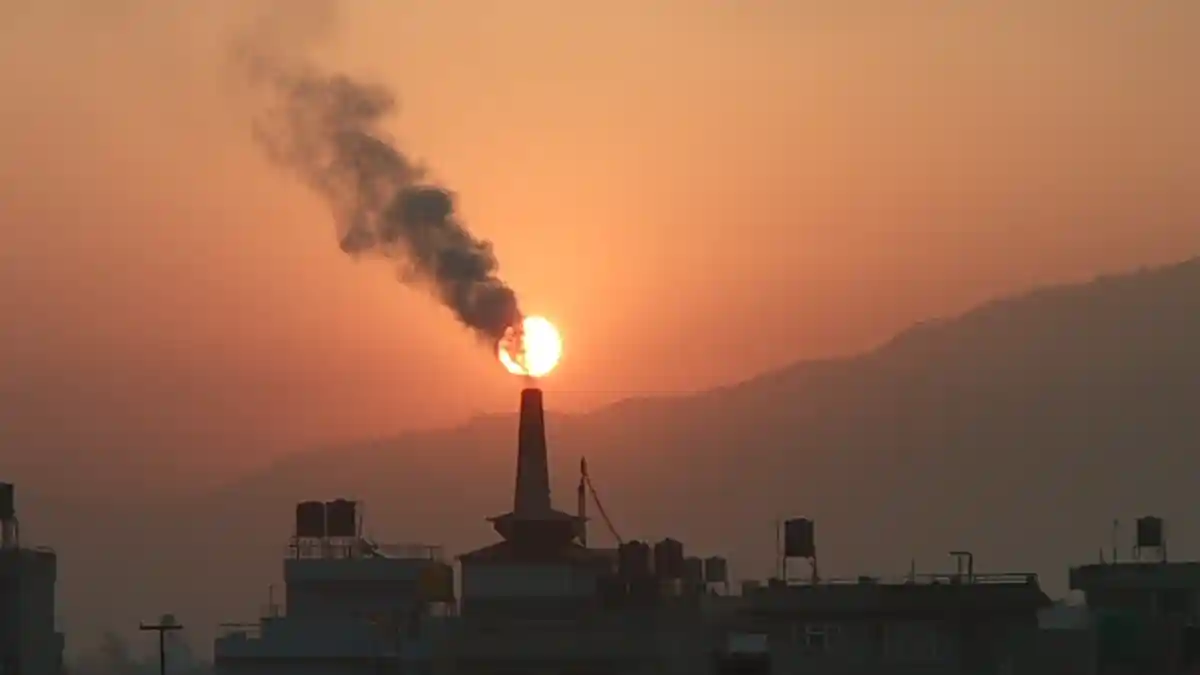
Clear-looking air can still contain harmful fine particles. PM2.5 is the term for particles with a diameter of 2.5 micrometres or less—small enough to reach deep into the lungs and, in some cases, enter the bloodstream.
These particles can come from vehicle exhaust, industry, power generation, construction, fires and other sources. They are often invisible at concentrations that can still affect health, so visibility alone is not a reliable guide to air quality.
Why PM2.5 matters
The US Environmental Protection Agency explains that fine particles can affect the heart and lungs. Long-term exposure has been linked with cardiovascular and respiratory disease, while short-term rises can worsen symptoms in people with existing conditions.
Children, older adults, pregnant people and people with heart or lung disease can be more vulnerable. That does not mean every exposure produces illness, but it does explain why health agencies issue air-quality alerts and advise people to reduce strenuous outdoor activity during high-pollution episodes.
Can you see PM2.5? Not necessarily. PM2.5 can be present even when the sky appears clear. Checking a local air-quality index is more reliable than judging conditions by sight or smell alone.
The World Health Organization says air pollution is a major health risk and provides guideline levels intended to reduce exposure. The State of Global Air project estimated that air pollution contributed to millions of deaths worldwide in 2023. Such estimates describe population-level health burdens, not a prediction of any individual person’s outcome.
Cleaner transport, energy, industrial controls and better monitoring can lower exposure at the source. For individuals, following local air-quality guidance and keeping prescribed respiratory treatment available are practical steps during poor-air days.