Karmactive Team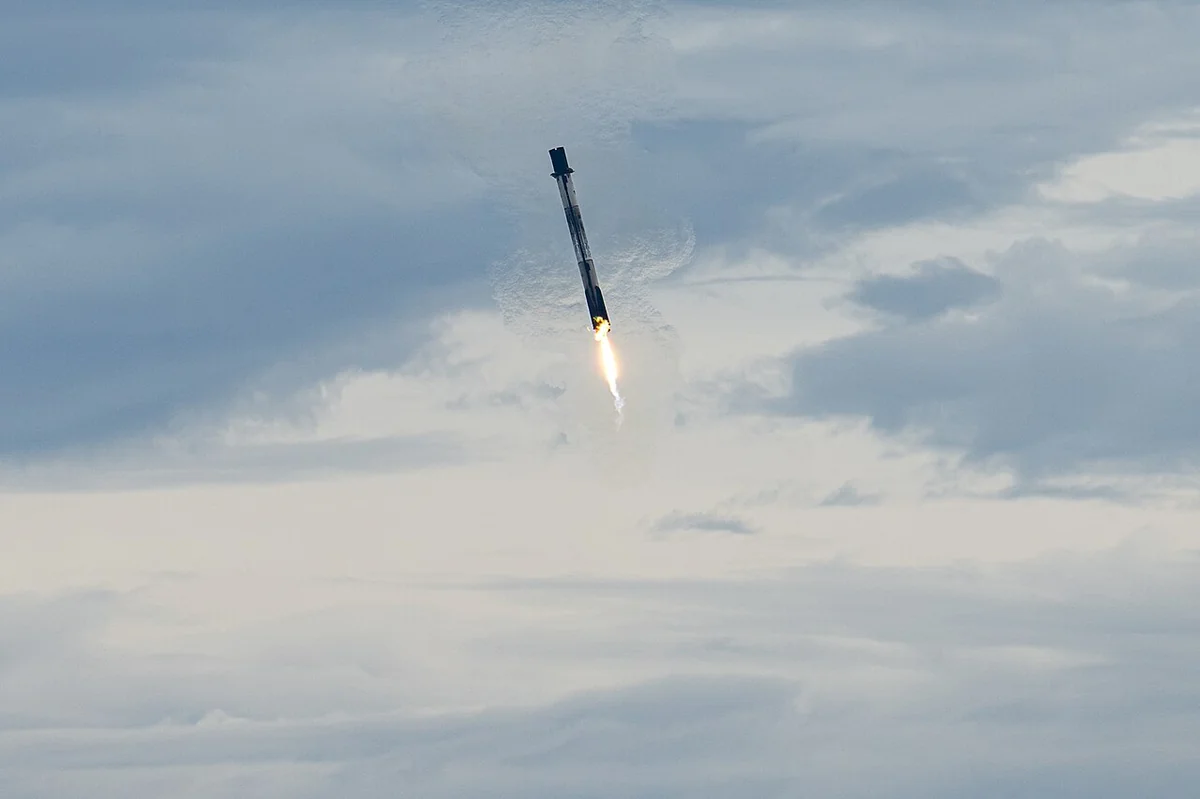
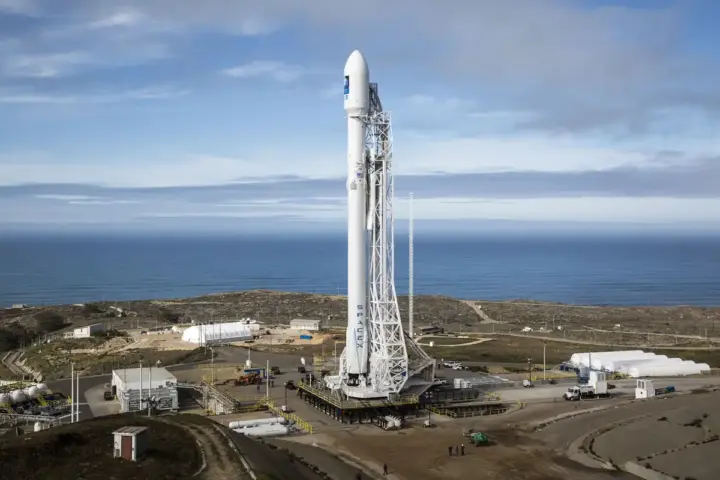
World Space Week runs from October 4 to October 10, 2026. This year’s theme is “Rocket Revolution,” chosen by the United Nations to mark a period in which reusable rockets, commercial launch companies, and new national space programmes have cut the cost of reaching orbit.
The annual event is declared by the UN and observed across many countries through planetarium shows, school programmes, public lectures, and observatory events. It commemorates two dates: October 4, 1957, when Sputnik 1 became the first satellite to orbit Earth, and October 10, 1967, when the Outer Space Treaty was signed, setting the legal framework still governing space activity today. The growth of reusable launch vehicles and commercial spaceflight has reduced launch costs to levels that have opened orbit to many more countries and organisations than the Space Race era allowed.
World Space Week 2026 runs from October 4 through October 10. Its theme is “Rocket Revolution,” focusing on how commercial launches, reusable rockets, and new space actors are changing access to orbit. Students and professionals can access public events through the World Space Week Association’s global directory.
What “Rocket Revolution” actually means — and what it’s costing the atmosphere
The countries that have independently sent humans to space now include the US, Russia, and China. Commercial operators have introduced private passengers into orbit, and dozens of nations that could not have contemplated their own satellites a decade ago now have functioning orbital programmes through rideshare and commercial launches.
The growth in orbital launch activity has made space sustainability a genuine concern alongside access. Rocket exhaust in the upper atmosphere raises scientific questions about particle deposits and their effects. The rapid multiplication of satellite constellations increases the risk of collision and orbital congestion for Earth-observation and climate-monitoring satellites. Space debris mitigation and responsible orbital use have become regular topics in UN and national space agency discussions, including within UNOOSA forums, though the regulatory frameworks governing these areas remain in development.
“Rocket Revolution” as a theme captures the democratisation of launch access. The environmental and sustainability dimension of that same revolution is the parallel story the space community is beginning to address.
When and what is World Space Week 2026? The event runs globally from October 4 to October 10. The official UN theme is “Rocket Revolution,” spotlighting how reusable launch vehicles and commercial spaceflight have transformed access to orbit.
For more context on space developments this year, see our coverage of India’s Gaganyaan programme progress and our explainer on how satellite proliferation is changing Earth observation.