 Govind Tekale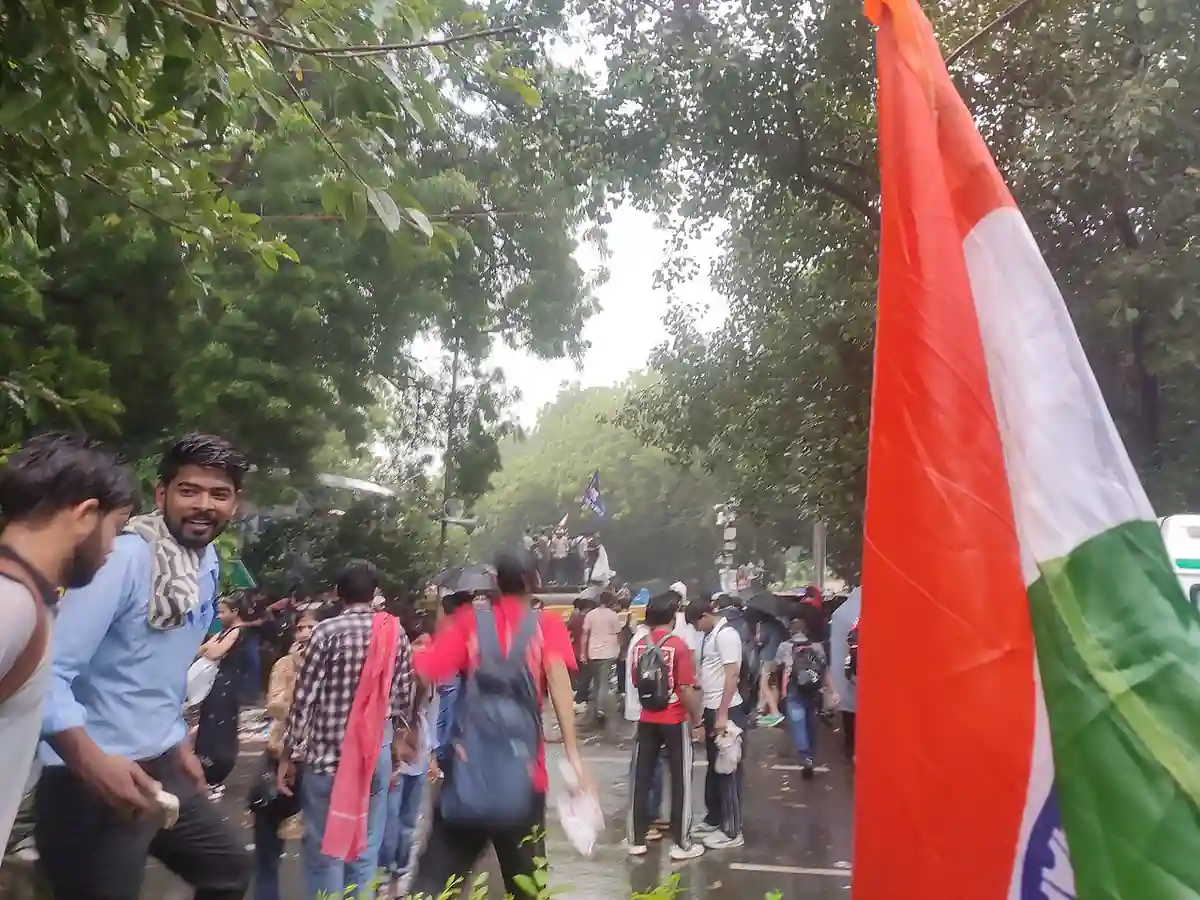
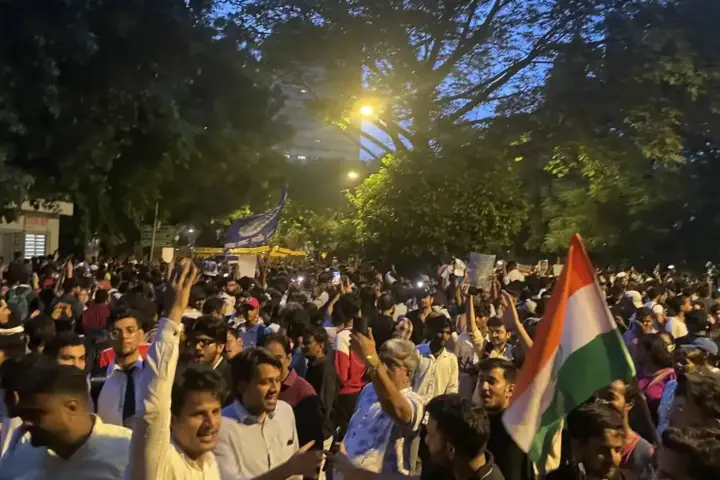
The Cockroach Janta Party has claimed that Maharashtra police have issued preventive notices to its activists ahead of a planned October 10 protest at Jantar Mantar in Delhi. The notices, reported to have been served by police in Chandrapur and Ballarpur districts, are attributed to CJP and its founder Abhijeet Dipke — not confirmed from official police documentation — an important distinction as October 10 approaches.
This follows our earlier coverage of the CJP protest movement in Mumbai on October 2. The new development is the reported police action in Maharashtra ahead of the Delhi gathering, which the CJP says represents deliberate pressure on its organisers and supporters. According to reports, Dipke and other CJP members said notices were being issued and that some leaders had been called for questioning. The specific number of recipients and whether Delhi Police has formally approved or rejected the gathering’s assembly permit remain unconfirmed from official sources.
CJP says police are warning activists before an October 10 protest. Here is what is known and what remains unverified.
If you are planning to attend the CJP’s October 10 assembly at Jantar Mantar, you should verify whether formal police permissions have been granted before travelling to the venue. Maharashtra police have reportedly served notices ahead of the Delhi gathering. Attendees face potential disruption or dispersal if organisers proceed without the required permissions in place.
What the legal notices mean — if confirmed
Reports identify the notices as served under the Bharatiya Nagarik Suraksha Sanhita (BNSS). If the notices were served under Section 168 BNSS, that provision allows an Executive Magistrate to issue prohibitory orders where there is reason to believe that an assembly or action could endanger human life, health or safety, or disturb public tranquillity. Receiving such a notice does not mean a person has done anything unlawful, but it serves as a formal warning that the named activity could be treated as a public-order matter. The actual text of the notices, and the specific BNSS provision cited, need official confirmation before the legal implications can be stated with certainty.
The critical question — whether Delhi Police has approved the October 10 gathering at Jantar Mantar — would determine whether the assembly can proceed legally. Jantar Mantar requires prior permission for assemblies. CJP’s transition from an online satirical movement to a physical street protest organisation bringing people to the capital puts it within the framework of preventive public-order policing, regardless of its satirical origins.
CJP was founded in May 2026 as a youth movement using satire and dark humour to protest urban civic decay, youth unemployment, and cost-of-living pressures. The CJP’s claims about police pressure should be treated as the party’s stated account until police documentation or an official statement confirms or contradicts them.
Why did police issue notices to CJP activists? Reports say notices were issued in Maharashtra before the planned October 10 protest, but the stated legal basis and the number of recipients need confirmation from police documents or an official statement. CJP’s account should remain attributed to the party until independently verified. For background, see our October 2 report on the CJP Mumbai protest and our explainer on how preventive policing works in India under the BNSS.
Whether Delhi Police formally approves or denies the October 10 gathering will determine how the day unfolds. Check back for updates as the situation develops ahead of the rally.