 Rahul Somvanshi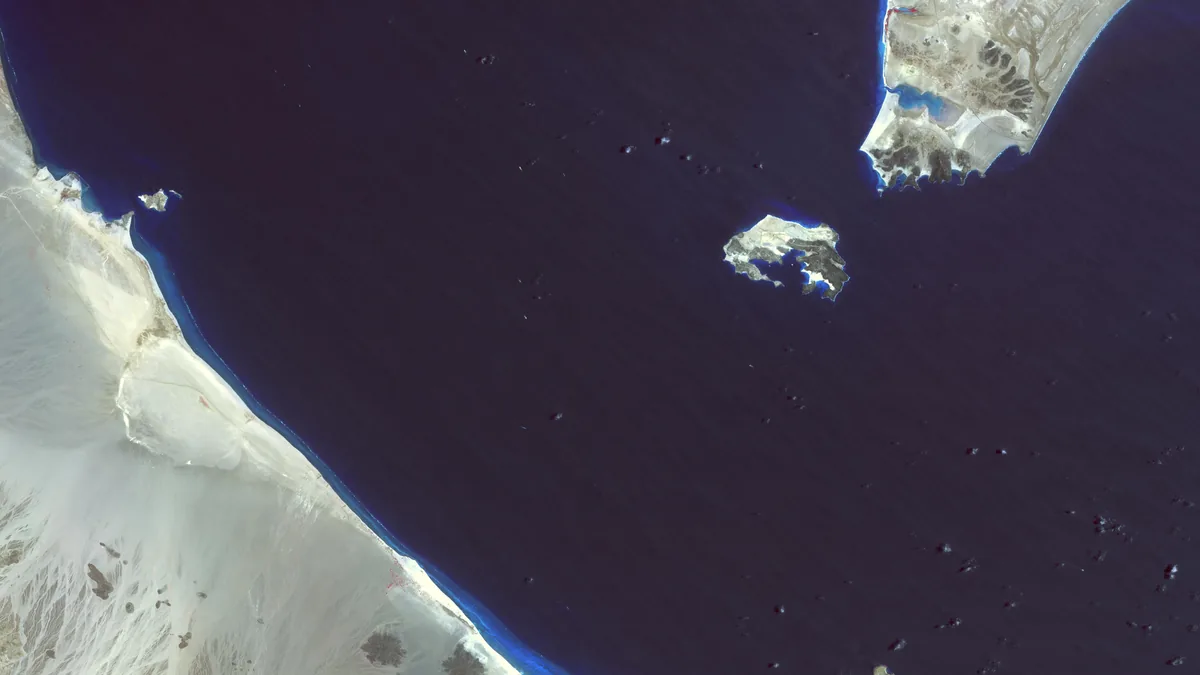
Yemeni government forces announced on October 5 and 6, 2026, that they had retaken the Red Sea port city of Mocha from Houthi fighters, seizing coastal positions and an airstrip in the Dhubab district approximately 50 miles (80 kilometres) north of the Bab el-Mandeb strait. The advance could affect global shipping risk assessments and energy market sentiment.
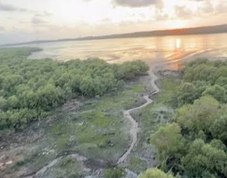
Yemen's official Saba News Agency reported that the Yemeni Armed Forces, including the Giants Brigades, launched Operation "Dawn of Yemen" to retake Mocha (Al-Mukha) on Yemen's southwestern Red Sea coast. Government military command said forces had taken control of port facilities, the urban perimeter, and the coastal highway connecting Mocha to Al-Khawkhah. An airstrip in the Dhubab district, between Mocha and the strait, also came under government control. Houthis had captured the port in September 2026. Reuters reported that government forces reached the outskirts of Mocha and that the Defence Ministry declared the city had fallen, while noting the full extent of the gains could not be independently verified.
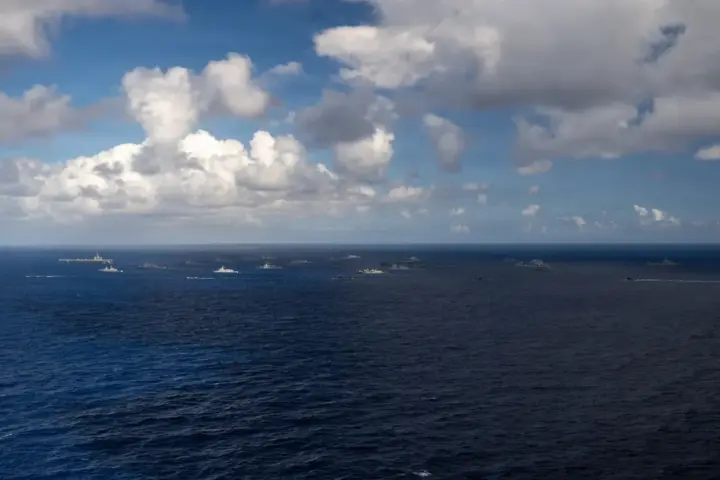
For global businesses and consumers feeling the pinch of supply chain inflation, the reported advance is a meaningful tactical step, but it will not instantly reopen the Red Sea corridor. While pushing Houthi fighters away from coastal positions reduces threats to ships transiting the approach, major container carriers are likely to continue routing around Africa's Cape of Good Hope until maritime insurers reassess war-risk premiums based on demonstrated stability over time rather than a single battlefield announcement.
Chokepoint Security and Marine Eco-Risk
Mocha sits at 13°19′N, 43°15′E, overlooking the narrow shipping lanes that feed directly into the Bab el-Mandeb strait — a roughly 20-mile-wide bottleneck that handles roughly 12% of global seaborne trade. Ships traveling from Asia to Europe via the Suez Canal must pass through it. Control of coastal positions near the strait has featured prominently in the broader Houthi campaign against international shipping in the Red Sea since late 2023.
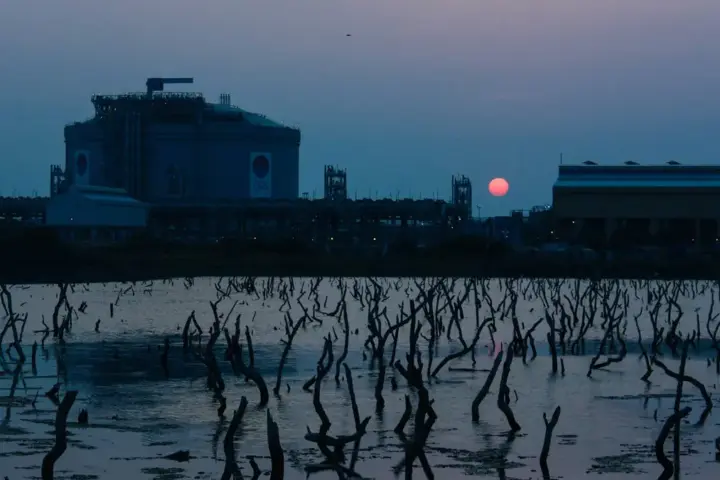
There is also an ecological dimension to the conflict around Mocha. Houthi strikes on oil tankers in the Red Sea — including attacks on the Greek-flagged MV Sounion, which was carrying over a million barrels of crude — repeatedly brought potential spills into proximity with Red Sea coral reef ecosystems and artisanal fishing waters. If the reported territorial gains reduce Houthi access to coastal areas near shipping lanes, they could lower the risk of further attacks on tankers carrying crude through the corridor.
War-risk insurance premiums for Red Sea routes have remained elevated since Houthi attacks began in late 2023, with major shipping lines continuing to assess routing decisions based on security conditions. War-risk insurers generally require demonstrated stability over time before reconsidering premiums rather than reacting to individual battlefield developments. For readers tracking the shipping costs that reached consumers through this disruption, Karmactive has covered [how Houthi Red Sea attacks drove freight rate increases since 2023] and [what the Cape of Good Hope rerouting added to import prices].
Why is the port city of Mocha strategically important?
Mocha is strategically important because it sits approximately 50 miles (80 kilometres) north of the Bab el-Mandeb strait, a bottleneck handling roughly 12% of global seaborne trade. Controlling the coast around Mocha gives military forces the ability to protect or threaten commercial tankers passing between the Indian Ocean and the Suez Canal.
Yemeni government forces are reported to be advancing north along the Red Sea coast toward Hodeidah, a larger port that has been central to earlier Yemen conflict negotiations. Any significant change in the security environment around the strait will be closely watched by shipping companies and maritime insurers. Check back for further developments as the situation on the ground and maritime routing decisions evolve.