M4.9 Afghanistan Earthquake at 220km Depth Shakes Kashmir and Islamabad — Here’s Why Nothing Collapsed

October 6, 2026
1 min read
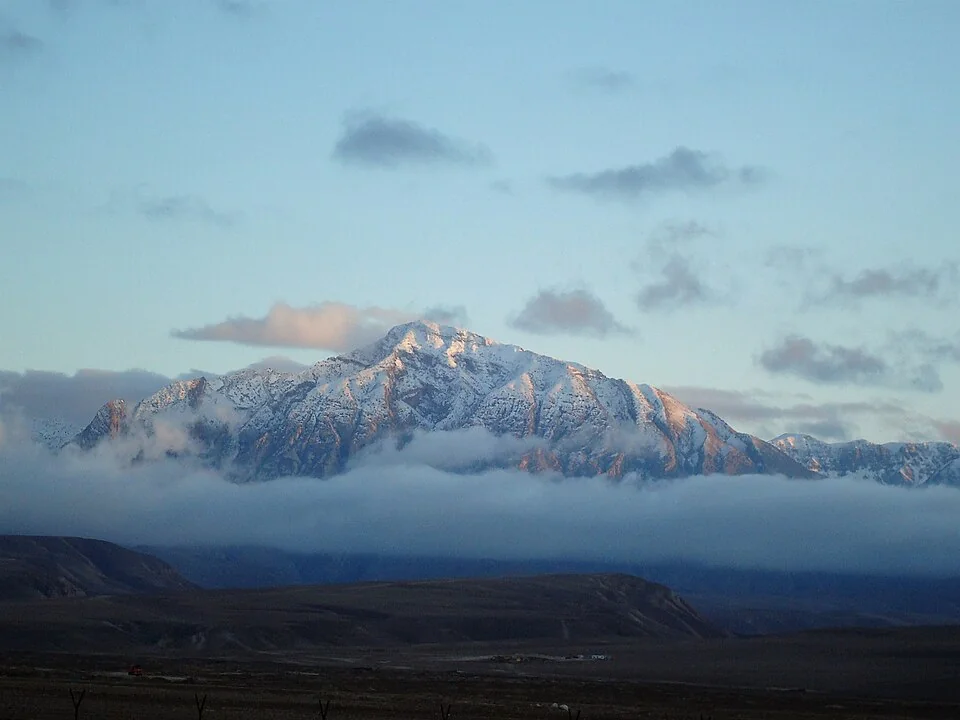
Panoramic view of the arid, snow-dusted peaks of the Hindu Kush mountain range rising into the sky.
The Hindu Kush mountain range rises across northern Afghanistan. Photo: Tech. Sgt. Stephen Hudson, US Air Force / Wikimedia Commons, Public Domain.

A moderate earthquake originating in Afghanistan’s Hindu Kush region early Monday, October 5, was felt across the Kashmir Valley, northern Pakistan, and parts of Islamabad. No damage or casualties were reported. The key factor is depth: the tremor occurred more than 220 kilometres below the Earth’s surface.

India’s National Centre for Seismology reviewed the event at magnitude 4.9, with an epicentre approximately 73 kilometres southeast of Fayzabad, Afghanistan. The earthquake was recorded at 01:57 IST on October 5. Several other agencies published figures ranging from 4.9 to 5.44, reflecting differences in seismic monitoring instrumentation and processing methodology. The NCS reviewed magnitude of 4.9 is the authoritative figure for an India-facing report.

Residents across the Kashmir Valley and northern Pakistan who felt brief tremors can be reassured that no damage or casualties were reported following this earthquake. Because the seismic rupture occurred at an intermediate depth exceeding 180 kilometres below the Earth’s crust, energy dispersed broadly rather than generating the concentrated destructive shockwaves that characterise shallow surface-fault earthquakes. The tremor was reported felt across the Kashmir Valley and surrounding areas, consistent with that depth profile.

The Indian-Eurasian plate collision zone beneath the Pamir and Hindu Kush mountains regularly produces earthquakes at depths of 150 to 300 kilometres. These events are detectable over very large geographical areas precisely because the energy radiates upward through thick crustal layers rather than rupturing outward along a near-surface fault line.

No tsunami threat was indicated.

—

Pakistan airstrikes on Afghanistan · National Centre for Seismology earthquake database

Sonali Tiwary

Sonali Tiwary is an aviation technology writer and aeronautical engineer who brings her technical expertise to Karmactive.com's coverage of the aerospace industry. With engineering studies completed through The Aeronautical Society of India, she specializes in breaking down complex aviation innovations, emerging mobility technologies, and the latest developments in sustainable aviation. Sonali's passion for flight technology drives her to explore and explain how cutting-edge aerospace solutions are shaping the future of air transportation, making the fascinating world of aviation accessible to all readers.
Leave a Reply

Your email address will not be published.

Rugby union forwards contesting a set-piece on a grass pitch.
Previous Story

Nathan Charles, Rugby’s Only Known Elite Player With Cystic Fibrosis, Diagnosed With MND at 37

Exterior view of Pathfinder House in Huntingdon, the civic administrative building housing the Huntingdonshire District Council.
Next Story

Reform UK’s Huntingdonshire Council Leader Ryan Coogan, 42, Arrested Over Nomination Paper — Keeps His Seat Under UK Law

Latest from Science

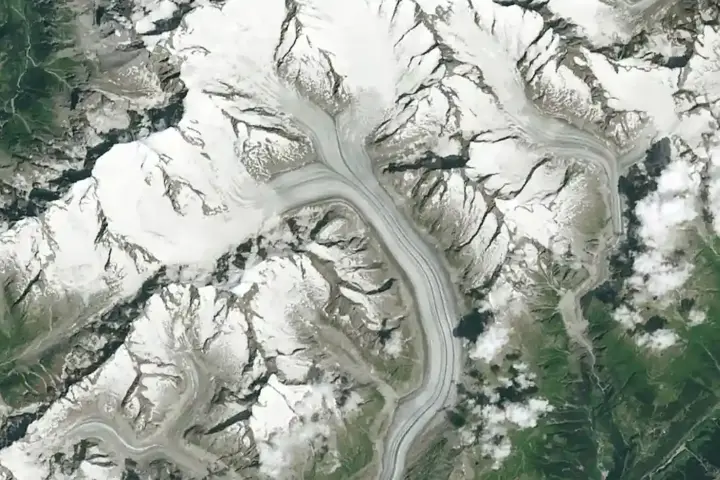
Before and after satellite images showing glacial ice loss in the Swiss Alps

Swiss Glaciers Lose 5.5% of Ice in Disastrous 2026 Melt

Switzerland’s Glaciers Lose 5.5 Percent of Ice in 2026, Threatening Water Supplies Switzerland’s alpine glaciers are retreating at an alarming pace. New data from Glacier Monitoring Switzerland (GLAMOS) reveals that these frozen

Don't Miss

South Gippsland Railway infrastructure and platform area in Leongatha, Victoria, photographed outdoors

4.8 Victoria Earthquake Shakes Melbourne as 21,000 Felt Reports Logged

A magnitude 4.8 earthquake struck near Leongatha in