 Govind Tekale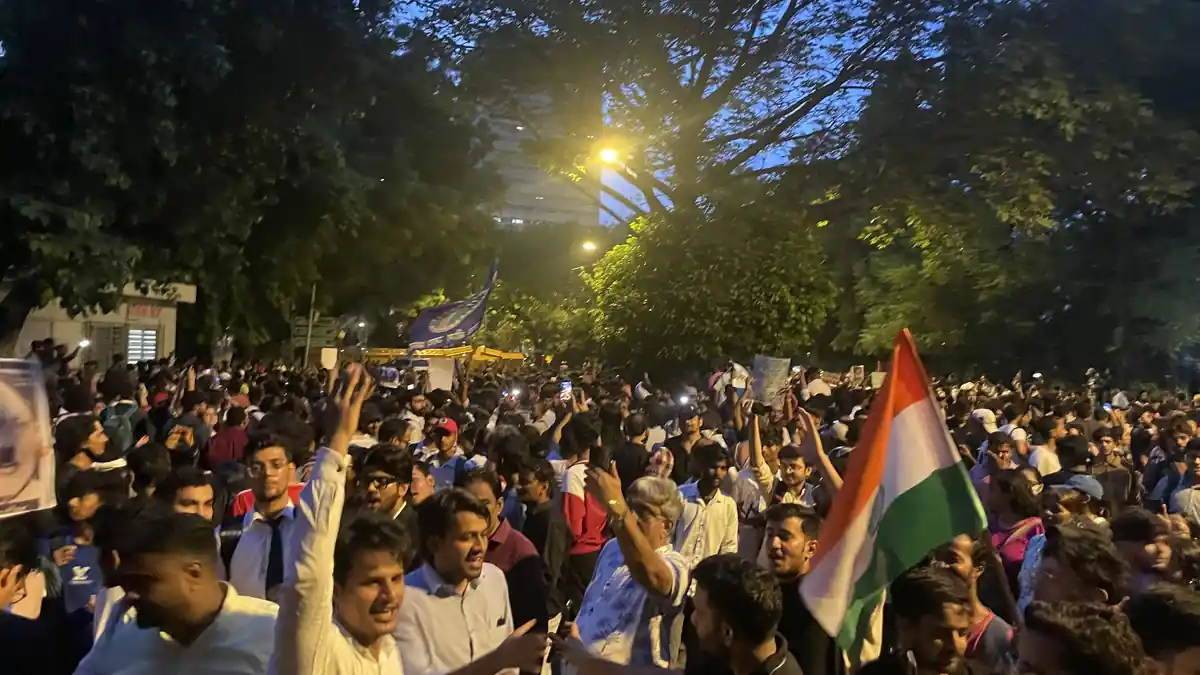
What civil society groups threatened in late September has now become a sustained pattern of daily confrontations in central Delhi. All India Students’ Association president Neha Bora was detained on October 4 during an attempt to march on Jantar Mantar — the latest round in a campaign demanding Chief Election Commissioner Gyanesh Kumar’s resignation over the Special Intensive Revision of voter rolls.
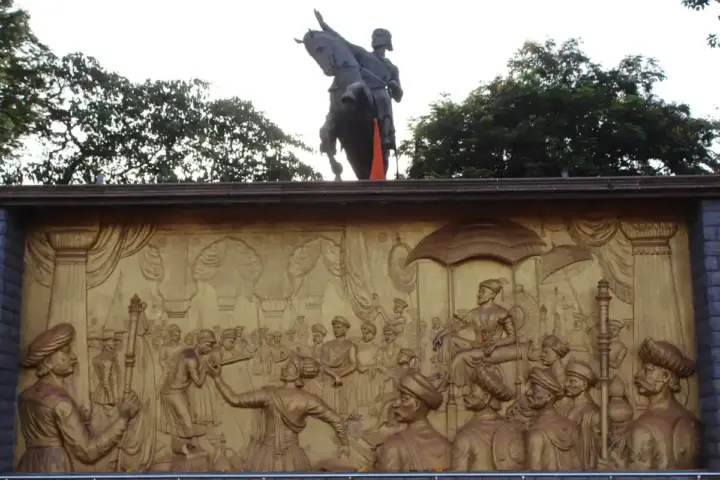
Delhi Police had imposed prohibitory restrictions under Section 163 of the Bharatiya Nagarik Suraksha Sanhita (BNSS) around Parliament Street before protesters arrived. Barricades were in place well before the marchers reached the area. Bora was taken to Narela Industrial Area police station and later released. The October 4 detention followed a larger confrontation the day before, when roughly 150 people were held during an earlier attempt to reach the same location. FIRs were registered against unidentified persons in connection with those protests. Student organizers had announced both marches specifically targeting Jantar Mantar, citing demands for the CEC’s removal over the electoral roll revision dispute. The demonstrations follow the October 2 Mumbai protest at Shivaji Park that drew civil rights groups from across Maharashtra.
For Delhi commuters and civic observers, the immediate confrontation has cooled following the release of detained student leaders from custody. However, student groups have announced continued pressure campaigns over Election Commission transparency, ensuring the controversy surrounding the SIR will remain an active political flashpoint through the winter.
The core demand — removal of Chief Election Commissioner Gyanesh Kumar — runs into a constitutional wall that has received minimal coverage in the daily protest reporting. Under Article 324(5) of the Constitution of India, the CEC cannot be dismissed by the President or Cabinet through executive order. Removal follows the same grounds and procedure as removing a Supreme Court judge: under Article 124(4), an address must be supported by a majority of the total membership of each House of Parliament and by not less than two-thirds of members present and voting, followed by the President’s order. The procedure also includes a formal inquiry process.
The gap between the stated demand for immediate executive action and its constitutional impossibility explains the sustained deadlock. The legal path to removing a sitting Chief Election Commissioner requires a parliamentary supermajority that currently does not appear to be available.
The underlying SIR dispute is a separate question. The Election Commission’s Special Intensive Revision updated voter rolls ahead of Bihar elections, a process that opposition parties and civil society organizations argue introduced procedural irregularities. The Commission maintains the exercise was within its statutory mandate. Those competing claims remain before electoral authorities and courts, not resolvable by a march on Jantar Mantar.
AISA has announced follow-up pressure campaigns. The constitutional path to removing a sitting Chief Election Commissioner requires the kind of bipartisan parliamentary support that is not currently evident. Street protest, however large, cannot substitute for that process.