 Rahul Somvanshi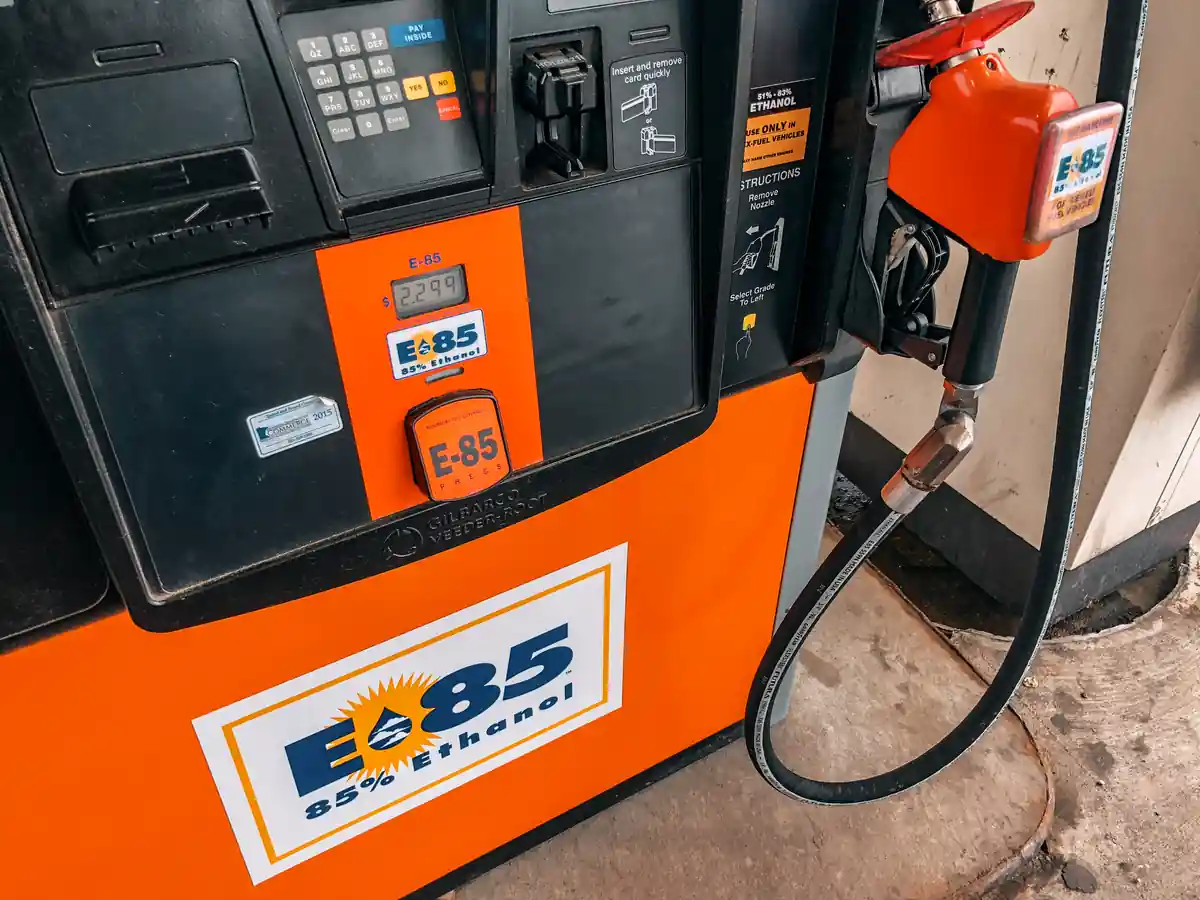
Drivers across the US and Europe are examining E85 bioethanol fuel as pump prices stay high, attracted by lower prices per litre or gallon compared to standard gasoline. Before booking a conversion kit installation, the economics are more nuanced than the price board suggests.
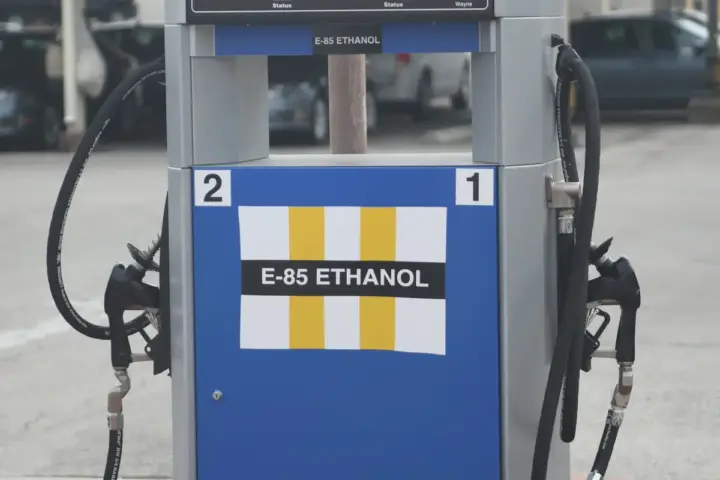
E85 is a fuel blend containing between 51% and 83% ethanol in the US (varying by season and geography) or 65% to 85% in France, derived from agricultural crops — primarily corn in the US and sugar beet or grain in Europe. It is priced at a significant discount to standard unleaded gasoline in markets where it is available. In France, E85 (known as Superéthanol-E85) is currently priced around €0.90 per litre at most stations, compared to roughly €2.17 per litre for standard E10 fuel — approximately 59% lower per litre.
Here is the calculation most promoters skip: the US Department of Energy’s Alternative Fuels Data Center reports that E85 contains approximately 73% to 83% of the energy of a gasoline-gallon equivalent, depending on the specific blend. That means your engine burns more E85 per trip than it would gasoline, reducing fuel economy by approximately 25 to 30% depending on the vehicle and driving conditions.
Calculate your annual driving distance before investing in a conversion. The pump price gap between E85 and standard gasoline is real, but the fuel economy penalty closes it. Net savings per kilometre depend on local prices, your vehicle’s fuel consumption, and available blend. For a driver covering 15,000 kilometres (about 9,300 miles) annually in France at current prices, meaningful savings are possible, but the exact figure depends on individual vehicle efficiency and local prices — calculate it for your own situation using current pump prices rather than relying on a single published estimate.
What drivers need to know before converting
Not every car can run on E85. Flex-fuel vehicles — those factory-equipped to handle high-ethanol blends — can switch without modification. In France, vehicles without factory flex-fuel capability may be converted using a homologated kit installed by an authorized installer, subject to specific regulatory requirements under French law. In the US, legal and emissions-compliance requirements differ significantly by state, and converting a non-flex-fuel vehicle may raise warranty, insurance, and regulatory issues.
Installing an uncertified or non-homologated aftermarket kit risks voiding the manufacturer’s engine warranty. Cold-start performance in winter temperatures is a known design consideration with E85, as ethanol’s volatility characteristics differ from gasoline.
The US Alternative Fuels Data Center maintains a locator for E85-compatible fueling stations. In the US, availability is concentrated in Midwest states. In Europe, French availability has expanded under a bioethanol promotion program; availability varies across other EU member states.
On emissions: lifecycle analyses find that beet- and grain-derived E85 can reduce net greenhouse gas emissions compared to petroleum gasoline, though the exact reduction depends heavily on feedstock, production method, co-products, and land-use assumptions. It cannot be stated as a universal 50% reduction across all E85.
If you drive over 12,000 miles (about 19,300 km) annually, own a flex-fuel or legally convertible vehicle, and have a compatible fueling station within a reasonable distance of your normal routes, the economics of E85 are worth calculating carefully at current prices for your specific situation.
Related reporting and primary sources: AFDC E85 fuel reference; French government fuel-price portal.