Sunita Somvanshi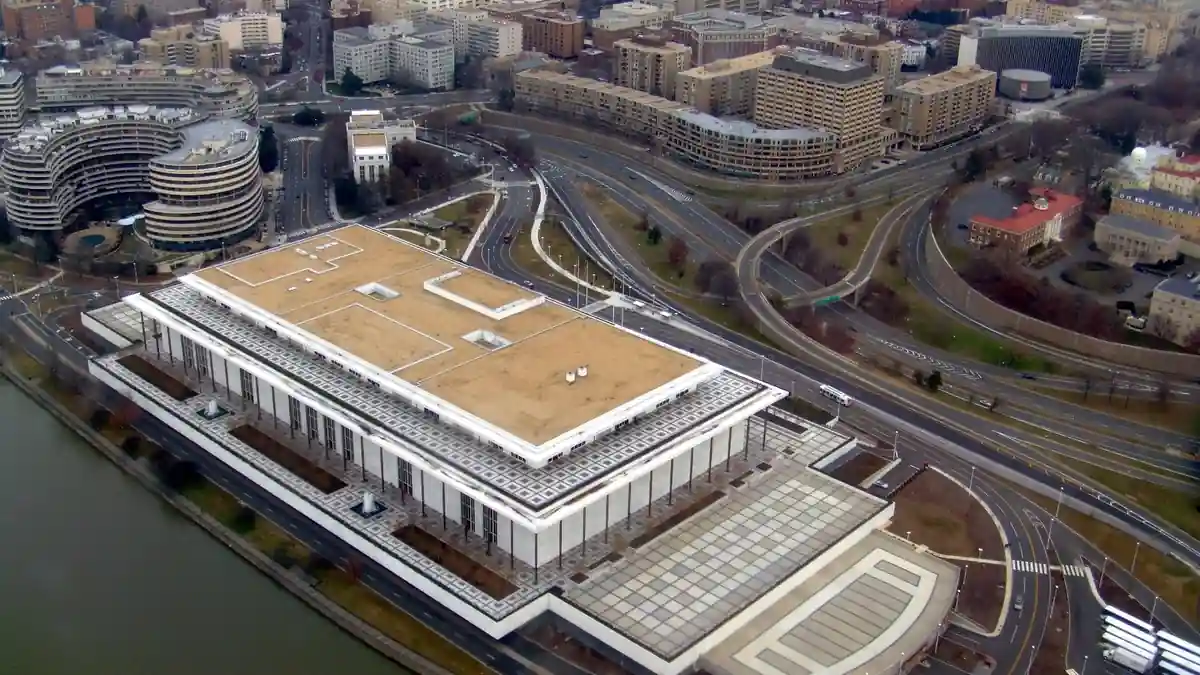
A federal judge has ordered the Kennedy Center to provide 30 days’ notice before making any major physical changes to the building. The order comes as President Trump has raised the possibility of demolishing the facility—and as the Kennedy Center itself says nothing is currently being demolished.
The legal case is Beatty v. Trump, No. 25-cv-4480, filed in the U.S. District Court for the District of Columbia. The September 17 development is a court order from Judge Christopher Cooper requiring the Kennedy Center to give advance notice before significant physical work begins. That notice requirement applies to demolition as well as other major changes.
The practical effect of the court order is a 30-day notice requirement before any major physical change can proceed. That includes demolition, should it be formally planned. Without the order, changes could begin with no advance warning, giving plaintiffs time to respond legally if the Center moves toward changes that have not been disclosed.
Separate from the court order, Trump has made public comments raising the possibility that the Kennedy Center could be “ripped down” and redeveloped. A photograph circulating September 17 shows Trump apparently looking at a document that seems to refer to a Kennedy Center demolition. The Kennedy Center itself responded by saying, clearly: “Nothing is being demolished.”
What the court record shows—and what it doesn’t
These are three distinct things, and they are not interchangeable: Trump’s public comments about possible demolition; the Kennedy Center’s statement that no demolition is happening; and the court’s requirement for advance notice before major physical changes.
Trump’s comments are statements about what might happen. The Kennedy Center’s denial is its official position. The court order is a legal mechanism that creates a procedural safeguard—it does not establish that demolition is planned, and it does not prevent the Kennedy Center from eventually making changes if it follows the required process.
The photograph of Trump with the document marked apparently “Kennedy Center DEMOLISHED” has been widely circulated. That photograph does not confirm that demolition was approved, ordered, or scheduled. Photographs of documents do not establish what is in those documents or what was decided. The court order did not establish that demolition was imminent; it required notice if such a major physical change were contemplated.
The lawsuit was filed by Representative Joyce Beatty, who is concerned about changes to the Kennedy Center under the current administration. The underlying dispute involves both the physical future of the building and the governance changes that preceded it. The September 17 order is one procedural step in ongoing litigation, not a final ruling.
Is the Kennedy Center actually being demolished?
No demolition has been established by the available evidence. The federal court has required 30 days’ notice before major physical changes, including demolition. The Kennedy Center says nothing is currently being demolished. Trump’s public comments have raised the possibility of demolition, but a comment about a possibility is different from an approved demolition project. The court order did not establish that demolition is scheduled.
The 30-day notice requirement means any formal move toward major physical changes to the Kennedy Center must be made public before work begins. Watch for filings in Beatty v. Trump, No. 25-cv-4480, for the next developments in the case.