 Sunita Somvanshi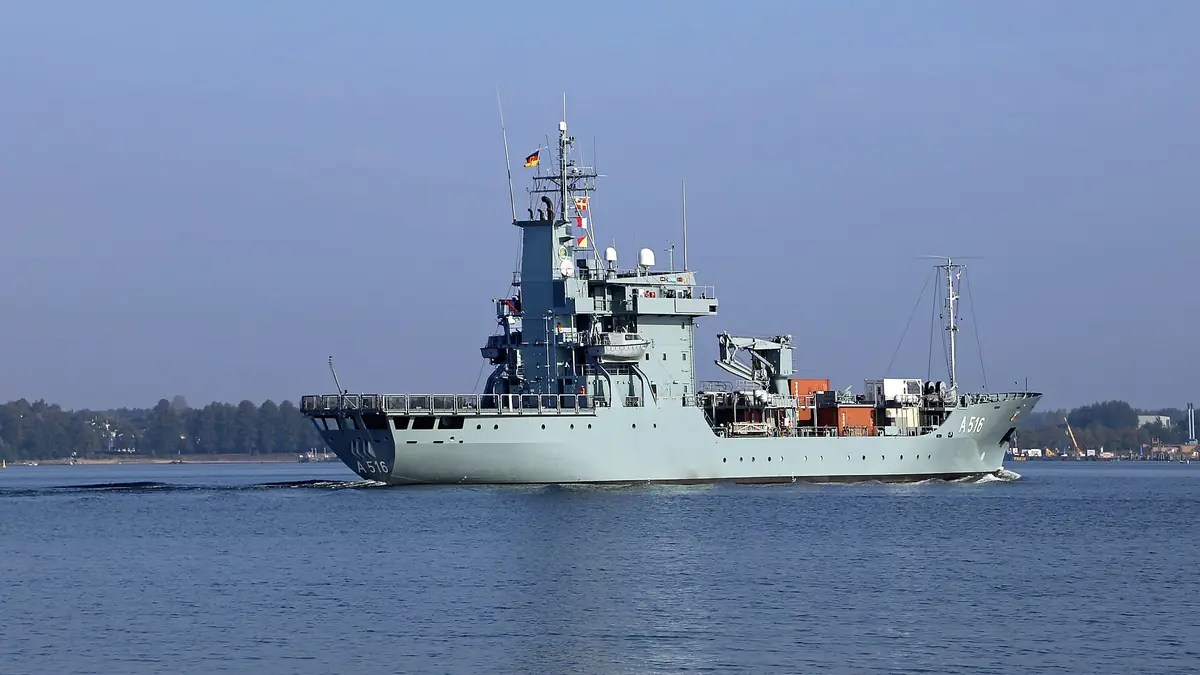
A Pakistani naval vessel has collided with an Indian warship in the North Arabian Sea. Both governments have issued competing accounts and lodged diplomatic protests. The cause of the collision has not been independently determined.
PNS Hunain, a Pakistan Navy offshore patrol vessel, collided with an Indian warship that Indian sources describe as having been conducting routine surveillance operations. PNS Hunain sustained damage and returned to harbour. The collision occurred in the North Arabian Sea on Tuesday, September 15. India says the incident took place in international waters; Pakistan’s Foreign Ministry has described it as occurring within Pakistan’s Exclusive Economic Zone.
India summoned Pakistan’s Charge d’Affaires. The Indian Ministry of External Affairs released a statement describing the Pakistani vessel’s conduct as “unacceptable and unprofessional” and a direct contravention of Article 10 of the 1991 India–Pakistan bilateral agreement on advance notice for military exercises. The MEA said the Indian warship sustained no damage. Pakistan’s Foreign Ministry also issued a statement, saying its navy was conducting a maritime exercise called SEASPARK-26 at the time and alleging the Indian vessel had carried out aggressive manoeuvres. Pakistan also summoned India’s Charge d’Affaires and lodged a protest.
The collision itself is confirmed across multiple independent reports. What is not confirmed is how it happened. Both governments have put forward accounts attributing blame to the other side. Neither government has provided an independent or joint determination of the collision’s cause.
What the competing accounts say and where they conflict
India’s MEA has attributed the incident to what it called “unacceptable and unprofessional” conduct by Pakistani naval units and said this violated the 1991 bilateral agreement designed to prevent exactly this kind of incident. Pakistan’s Foreign Ministry has issued a competing account, stating its navy was on an authorised exercise and that the Indian vessel manoeuvred aggressively into the area.
The two accounts cannot both be correct. The collision’s physical outcome — a Pakistani vessel damaged, an Indian vessel undamaged, both sides having summoned the other’s diplomatic representative — is consistent across the reporting. What differs is each side’s description of how it came about and where exactly the incident occurred.
Was the collision deliberate?
The available evidence does not establish deliberate intent. India’s MEA has attributed the incident to what it called “unacceptable and unprofessional” conduct by Pakistani naval units. Pakistan’s Foreign Ministry has put forward a competing account alleging Indian aggressive manoeuvring. No independent or joint investigation has determined the cause.
The exchange of diplomatic protests puts the incident formally on record between the two governments. Check back for updates as any official investigation or joint findings are reported.