Sunita Somvanshi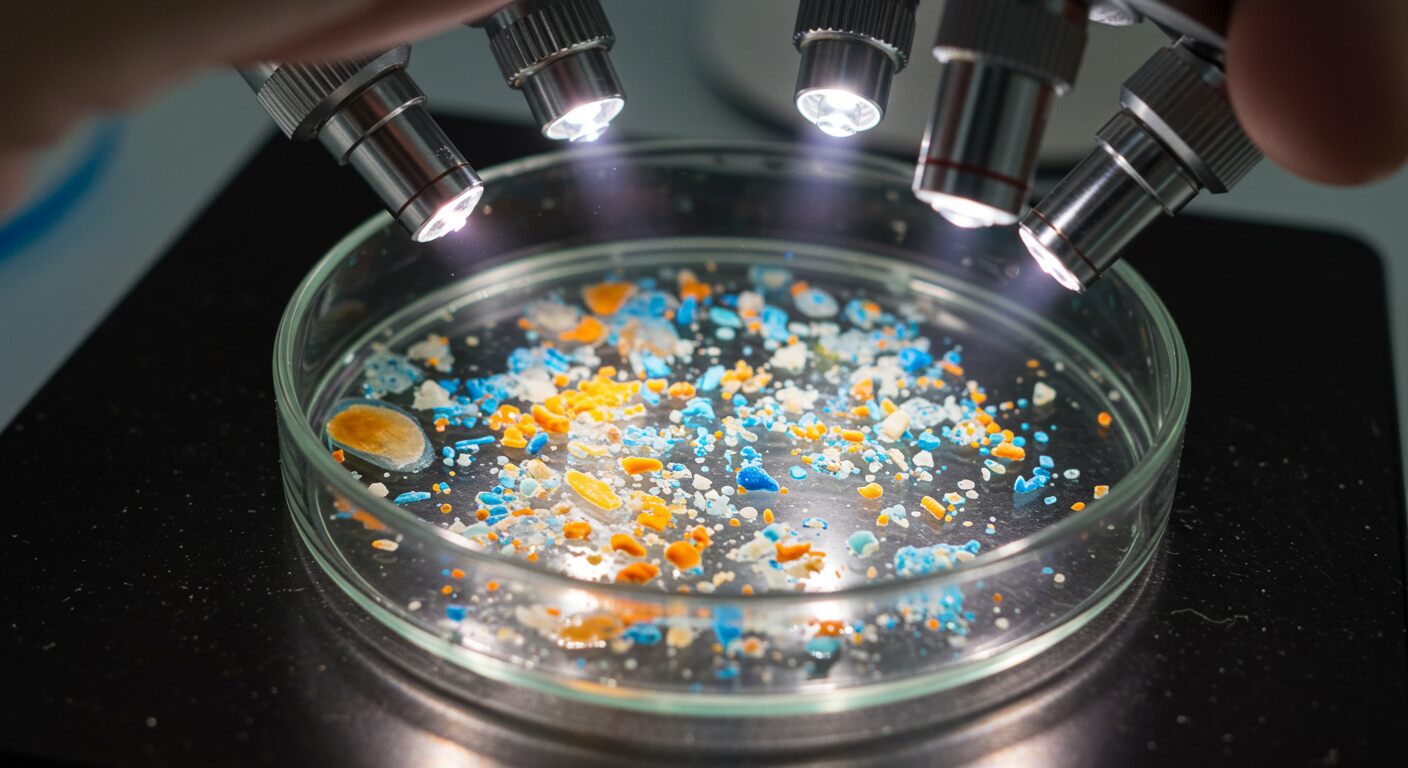
For municipal water managers and public health officials across the United States, the federal government's approach to microplastics in drinking water shifted significantly in April 2026. A joint EPA and HHS initiative launched both the largest-ever federal research program into microplastics and the first step toward establishing legal limits for microplastic contamination in tap water.
The $144 Million STOMP Initiative
The Department of Health and Human Services, through ARPA-H — the Advanced Research Projects Agency for Health — launched the STOMP program: Science and Technology for Outstanding Microplastics Solutions. The programme is funded at $144 million and focuses on measuring microplastics in the human body and in drinking water, developing detection methods, and building the scientific foundation for future health standards.
ARPA-H administers the STOMP programme. The EPA is a co-announcing partner, contributing regulatory framework and water-system engagement alongside HHS.
This is not a grant programme for individual municipal water utilities. STOMP is a federal research initiative funding development of detection technology, measurement methods, and exposure assessment tools across the national research system.
EPA's Regulatory Action: CCL 6
Separately, the EPA has added microplastics to its draft Contaminant Candidate List 6, known as CCL 6. The Contaminant Candidate List is the regulatory pathway through which the EPA identifies substances in drinking water that lack national standards but may require them. Placement on CCL 6 does not establish a legal limit, but it begins the formal evaluation process that can eventually lead to maximum contaminant levels under the Safe Drinking Water Act.
This is the first formal step in the EPA's regulatory process toward potential national standards for microplastics in tap water. The evaluation process following CCL 6 listing typically takes several years.
What This Means for Water Managers
Municipal water system managers do not face new compliance requirements from these announcements. The immediate impact is scientific and regulatory: federal agencies are now actively measuring baseline microplastic concentrations, standardizing detection methodologies, and beginning the evidence-building process that precedes any regulatory standard.
Water managers whose systems participate in EPA's contaminant evaluation research will contribute to the national data that informs whether and where regulatory limits are eventually set.
The Path Toward Regulation
The pairing of STOMP's research investment and EPA's CCL 6 action signals a structured federal approach. STOMP builds the scientific evidence base on health effects and exposure. The CCL process provides the regulatory pathway to convert that evidence into drinking water standards. Neither step on its own establishes a limit — together they establish the apparatus that would support one.
FAQ
Is the EPA regulating microplastics in drinking water?
Not yet. The EPA has added microplastics to its draft Contaminant Candidate List 6, which is the formal starting point for evaluating whether a national drinking water standard is needed. This begins a multi-year regulatory process. No maximum contaminant level for microplastics currently exists under the Safe Drinking Water Act.
What is the [STOMP program](https://www.karmactive.com/microplastics-blood-brain-epa-watchlist-50-percent-surge-federal-response/)?
STOMP — Science and Technology for Outstanding Microplastics Solutions — is a $144 million initiative launched by HHS through ARPA-H in April 2026. It funds research into detecting and measuring microplastics in the human body and drinking water, and developing technology to address microplastic contamination. It is a federal research programme, not a municipal grant.
What is the EPA Contaminant Candidate List?
The Contaminant Candidate List is the EPA's regulatory queue for evaluating substances in drinking water that may need national standards. Placement on the list begins the formal scientific review process. Microplastics' addition to draft CCL 6 is the first step in a process that could eventually lead to enforceable limits on microplastics in tap water.
Closure
The April 2026 joint federal action represents the first coordinated US government response to microplastics in drinking water at scale. The STOMP program builds the research base. The CCL 6 process begins the regulatory evaluation. A national microplastics standard for drinking water would require completion of both tracks, followed by formal rulemaking. That process is under way. Check back as EPA's CCL 6 evaluation progresses and STOMP research results begin publishing.