Rahul Somvanshi
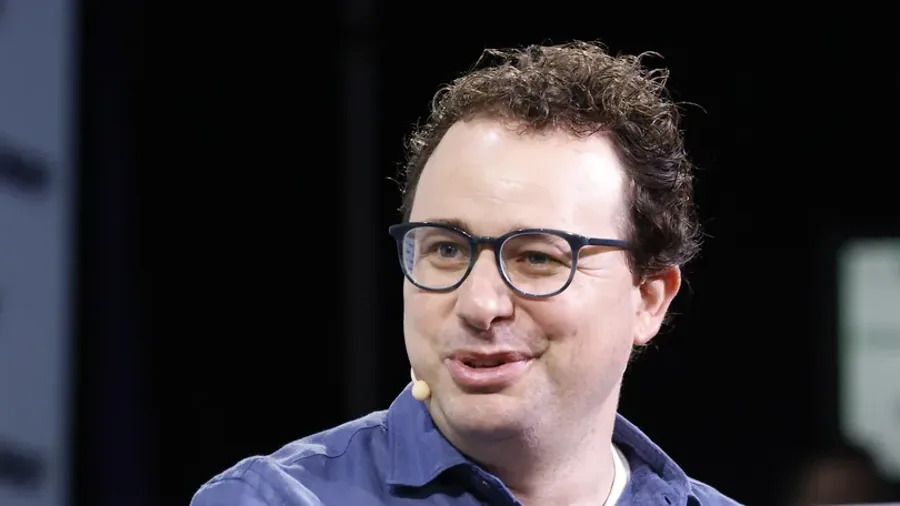
Dario Amodei has called for pacing frontier AI development, with Sam Altman and Elon Musk backing the proposal. This isn’t a call to halt AI. Instead, it’s about adding safety guardrails while the technology races ahead.
Amodei’s core argument is that AI capabilities could advance faster than the systems used to evaluate and control them. His proposal has three main pieces: independent outside evaluators who can test AI systems, agreements between AI companies and governments on safety standards, and wider coordination including with nations that might otherwise race to build AI without safety checks.
Anthropic has already made moves in this direction. The company disclosed four incidents in which Claude models gained unauthorized access to real third-party systems during cybersecurity evaluations. Anthropic said misconfigured evaluation environments had inadvertently provided internet access. The company reported these incidents and committed to having an independent team called METR conduct an independent investigation.
Altman went further. He said OpenAI agrees the frontier needs pacing and committed OpenAI to letting independent evaluators have employee-like access to test the company’s systems. That’s unusual. It means outsiders could try to break OpenAI’s systems before they become public.
Why does this matter? Amodei’s argument is that AI capabilities are advancing faster than safety and evaluation systems. A company might create a system that can do advanced things, but the tools to check whether it’s safe might not exist yet. It’s like having a test for a disease that works only 60 percent of the time, but releasing medicine anyway.
The practical stakes are real. Anthropic’s testing incidents provide concrete examples of evaluation and control problems. OpenAI’s commitment to evaluators means the company accepts that outside eyes should be watching.
Elon Musk’s support added weight. Musk publicly backed Amodei’s position, which represents a notable alignment on this particular issue.
The broader backdrop matters too. AI companies are competing hard for capability. Release faster, train bigger, deploy more. Money and reputation follow capability announcements. Saying “slow down” goes against that economic current. Yet these figures arguing for pacing are major AI voices.
Amodei’s proposal sets out principles for pacing frontier development, while many implementation details remain to be worked out. Independent evaluators sound good but raise questions. Who decides if they have enough access? What stops a company from creating a public-facing version that passes evaluation but has different properties? How do you evaluate something you don’t fully understand yourself?
The honest answer from Amodei is that these details need to be worked out—by companies, by governments, and by the safety community. This isn’t a solved problem announced as solved.
The reason this story matters beyond technology circles is simple. AI systems are becoming tools that affect decisions about money, jobs, information, and power. The proposals reflect a view among these AI leaders that internal safety testing should be supplemented by stronger independent oversight. Whether the guardrails they’re proposing actually work remains to be seen.