 Rahul Somvanshi
Federal EV credits that have ended
Federal tax rules for electric vehicles and home charging have changed in recent tax years, and several provisions now operate under different terms than before. The federal tax credits under section 30D for new electric vehicles and section 25E for used electric vehicles ended after September 30, 2025. Buyers who are considering a purchase should therefore check the current status of each credit before relying on it.
Transition treatment may apply in some cases. Buyers with a purchase discussed before the cutoff should confirm with official IRS materials how the rules apply to their situation, because outcomes depend on the specific facts. A purchase that was discussed before the cutoff does not automatically qualify.
The change matters most to people who were planning a purchase on the assumption that the credit would remain available. The details are technical, and the official IRS materials set out how each transition rule works.
Readers who are comparing options should look at total costs, including fuel, insurance, and charging equipment, without assuming that any credit applies.
The home charger credit
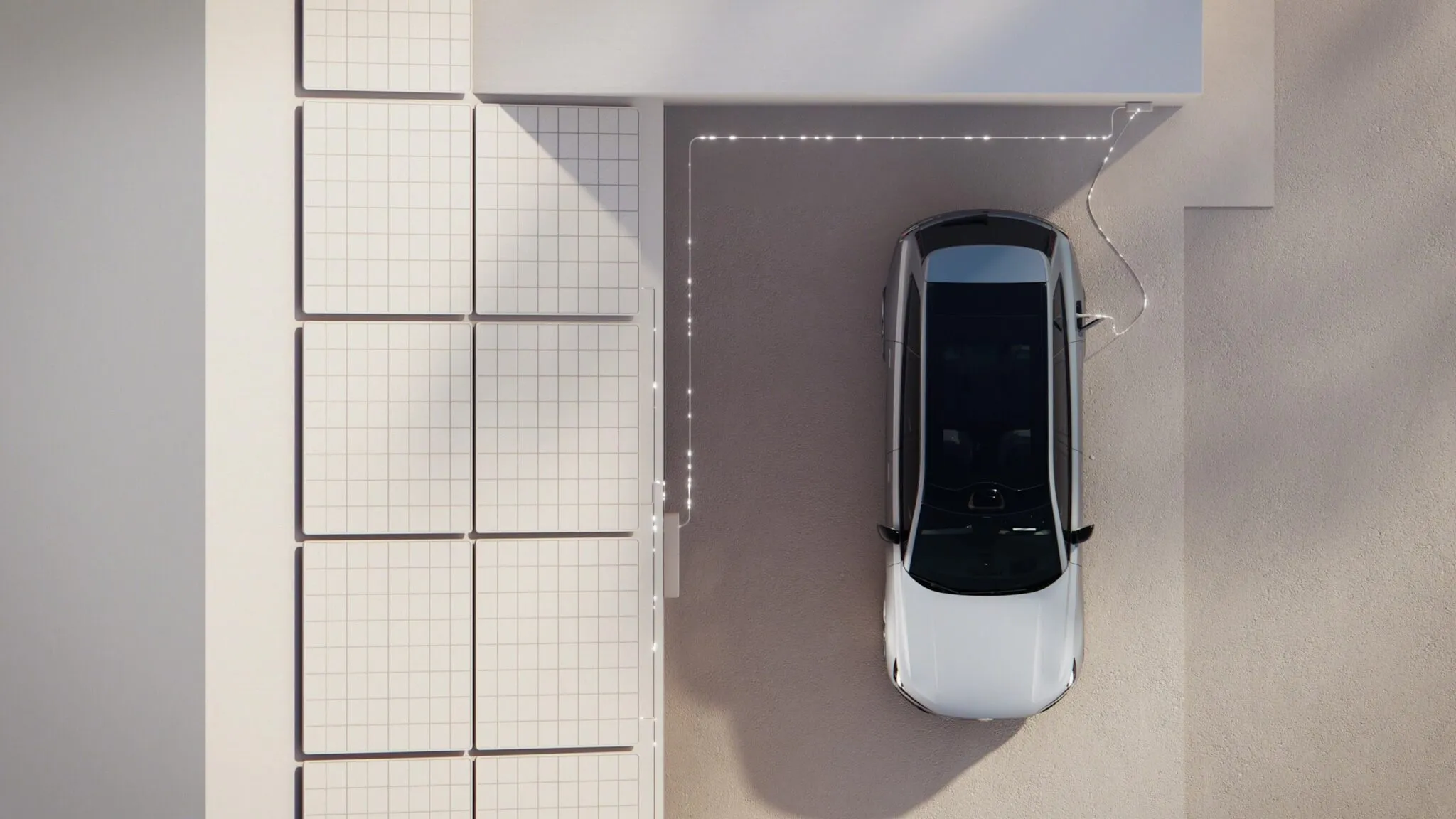
The credit for home charging equipment under section 30C ended for property placed in service after June 30, 2026. Eligible property placed in service before that date may still be claimed, and the claim is made on Form 8911. The placed-in-service test should be verified in IRS materials before it is relied upon. Homeowners who installed or plan to install a charger should keep records showing when the equipment was placed in service, since that date is the point to check.
The new auto-loan interest deduction
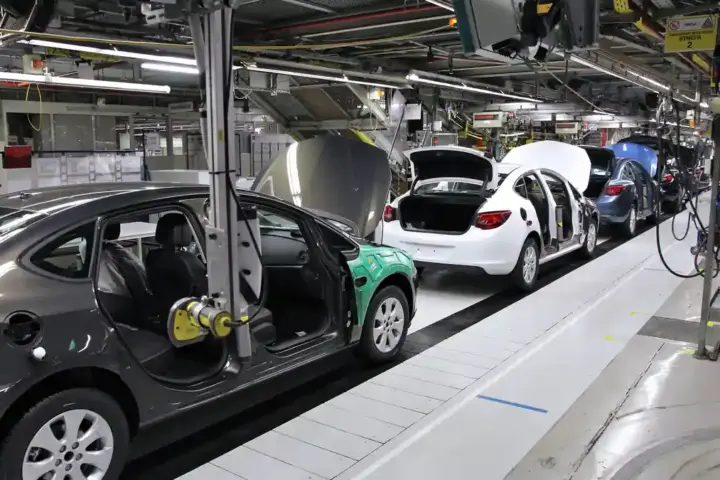
A separate federal provision allows a deduction for interest paid on qualifying auto loans. The deduction is up to $10,000 annually for tax years 2025 through 2028. It applies to qualifying vehicles that were finally assembled in the United States and have a gross vehicle weight rating under 14,000 pounds.
The deduction phases out at higher incomes, beginning above $100,000 and $200,000. How these thresholds apply to each filing status should be confirmed in official materials. The provision is a deduction, not a dollar-for-dollar credit. A deduction reduces the income that is taxed, so its value depends on a person’s tax bracket and overall return, and it does not reduce tax owed in the same way a credit does.
Taxpayers should check whether the vehicle’s final assembly location and weight rating are documented before claiming the deduction.
Charger options and panel upgrades
The Emporia Pro is priced at $599 and is sold with a bundled Vue monitor and load management features. Whether a particular charger suits a particular home should be confirmed with a qualified installer before purchase.
Any savings from avoiding or reducing a panel upgrade are possible rather than guaranteed. Whether they apply depends on the home’s electrical capacity and on the assessment of a qualified installer.
Confirming your own situation
Tax treatment should be confirmed with official IRS materials or with a qualified tax adviser before a purchase or installation decision is made. Rules of this kind involve dates, income limits, vehicle assembly location, and filing forms, and small differences can change the outcome.
Electrical work should be handled by a qualified electrician, who can assess the panel, wiring, and circuit capacity before any equipment is installed. Permits and local requirements may also apply, depending on the area.
Individual results will depend on the facts of each case, so this explainer should not be relied on as a substitute for tax or electrical advice. Further detail is to be found in the official IRS materials and in advice from licensed professionals.