Karmactive Team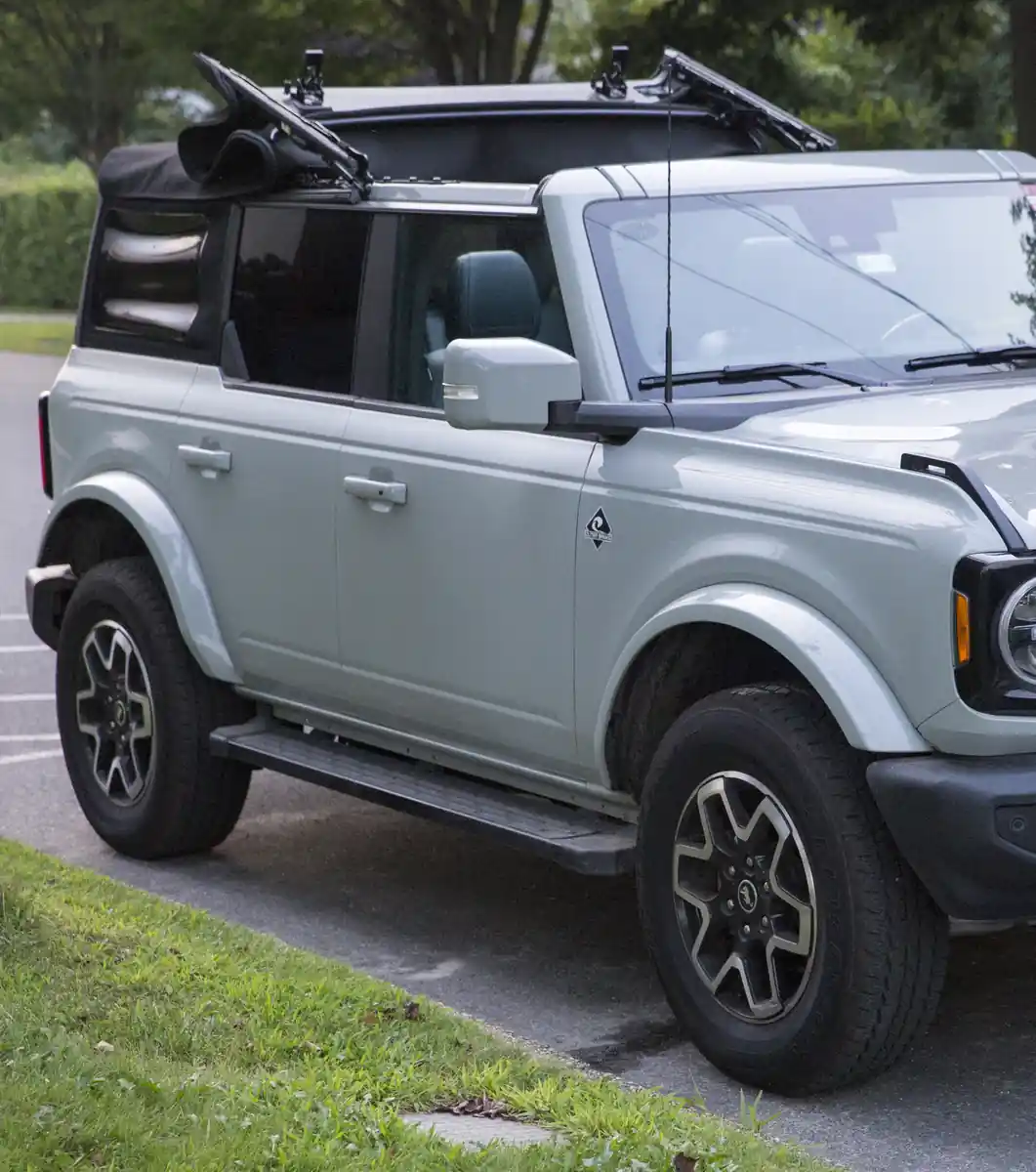
Ford is bringing a new kind of adventure vehicle to Australia and New Zealand starting mid-2027. The Bronco Basecamp operates as an extended-range electric vehicle (EREV), though some call it a “super hybrid.” It can run on battery power and has a gas engine for backup, but the mechanical architecture differs from a traditional plug-in hybrid.
Here’s the mechanical heart of it: dual electric motors drive the wheels, pulling power from a 49-kilowatt-hour usable battery. When that battery runs low, a 1.5-litre turbocharged petrol engine generates electricity to keep the motors spinning and recharge the battery. That setup means the petrol engine doesn’t drive the wheels directly—it only produces power.
Ford’s preliminary testing suggests the Basecamp will deliver around 800 to 900 kilometers of total range, though the company explicitly notes these figures remain subject to final testing and follow WLTP testing standards. Real-world range varies with how you drive, weather conditions, and terrain. Think of that number as an indicator, not a guarantee. The range is affected by temperature, driving behaviour, route profile, maintenance, and battery condition.
What separates the Basecamp from standard hybrid SUVs is its camping focus. Ford engineered this vehicle around outdoor stays, not just daily driving. The standard Outer Banks model comes with a pop-up lift roof that lets you access ventilation and light when the vehicle is parked. Inside, seats flatten into a bed, and Ford offers an optional full-length inflatable mattress. There’s a 7.5-litre storage box that can warm or cool items—useful if you’re keeping drinks cold or keeping food from spoiling. A rear tailgate utility table unfolds for cooking or organizing gear.
The standout feature for many buyers will be Pro Power Onboard. This system taps the vehicle’s battery to deliver power through standard household outlets. The interior outlet delivers up to 2.3 kilowatts. The exterior outlet delivers up to 6.6 kilowatts, though you need an external adapter for the exterior outlet. When the interior outlet is in use, the exterior output becomes 4.3 kilowatts. Using the system reduces battery charge. In practical terms, you can run power tools, charge devices, or run small appliances without needing a generator or camping hookup, within the power limits your specific outlet can provide.
The five-seat layout keeps the focus on passenger comfort, and all-wheel drive comes standard. This isn’t a stripped-down expedition vehicle; it’s designed for families and groups who want capability with comfort.
One important reality check: Ford hasn’t released Australian specifications, pricing, or final variant details yet. The company says those will come closer to the actual launch date mid-2027. That means current discussions comparing it to vehicles like the Toyota RAV4 are speculation. You should wait for actual Australian pricing and specs before making purchase decisions.
The distinction between a plug-in hybrid (PHEV) and an extended-range EV matters. A PHEV typically has an engine that can drive the wheels; the Bronco’s engine is purely a power generator. That’s why Ford avoids the PHEV label and uses “super hybrid” or extended-range EV terminology. For daily driving in cities, you might run on battery alone for short trips. For longer adventures or when battery depletes, the engine maintains your electric power without switching to gas propulsion.