 Tejal Somvanshi
Punjab implemented a one-year ban on artificial cheese products following food safety testing that revealed significant quality failures. State authorities tested 512 paneer samples across the region, and 215 failed established safety standards. This represents approximately 42 percent of tested samples, indicating widespread adulteration in artificial cheese products available to consumers.
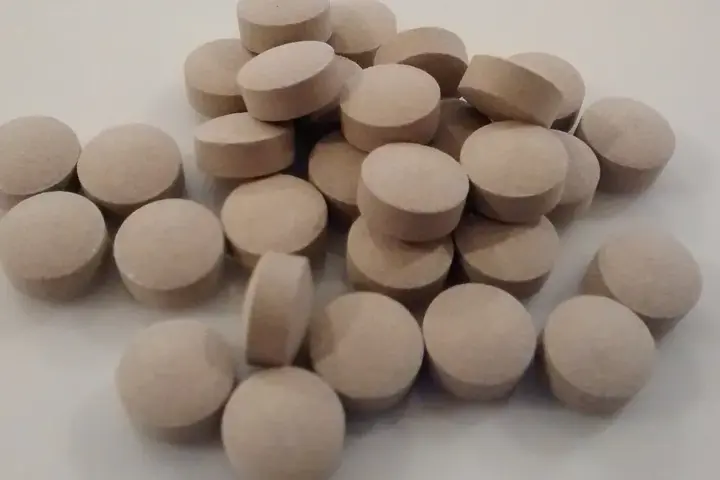
The FSSAI notice specifically addressed cheese analogues containing Beta-sitosterol, a laboratory-identified marker indicating use of plant-based substitutes rather than authentic dairy ingredients. Many manufacturers produce artificial paneer using vegetable oils, starches, and chemical emulsifiers to reduce production costs while mimicking traditional paneer’s appearance and texture.
Paneer, traditionally made from milk curds through cheese-making processes, commands premium prices reflecting ingredient and labor costs. Artificial alternatives, created from non-dairy sources, cost significantly less to produce. This price differential creates incentive for unscrupulous manufacturers to pass off artificial cheese as authentic paneer, particularly in bulk sales to institutional buyers like hotels, restaurants, and food services.
The detection of Beta-sitosterol in failed samples provided scientific proof of adulteration. This plant steroid compound appears in vegetable oil-based products but not in authentic dairy cheese. Laboratory analysis could definitively distinguish authentic paneer from artificial substitutes through this chemical marker. The widespread presence in failed samples confirmed systematic adulteration rather than isolated violations.
Health implications accompany this adulteration beyond simple fraud. Consumer protection concerns include uncertainties about additives used in artificial paneer production. Emulsifiers, stabilizers, and chemical binders may trigger allergic reactions in sensitive individuals. Additionally, artificial cheese provides different nutritional profiles than authentic paneer, potentially misleading consumers expecting dairy’s protein and calcium content.
The one-year ban aimed to eliminate artificial cheese from market circulation while authorities enforced stricter manufacturing oversight. Punjab’s approach prioritized consumer safety by removing problematic products entirely rather than implementing partial restrictions. The ban applied to cheese products manufactured with artificial ingredients, allowing authentic dairy cheese to remain available.
State food authorities collaborated with manufacturers to establish replacement supply chains using authentic dairy ingredients. The restriction period allowed time for production infrastructure adjustment and implementation of enhanced food safety monitoring systems. This enforcement action reflected broader consumer protection priorities across India.