 Rahul Somvanshi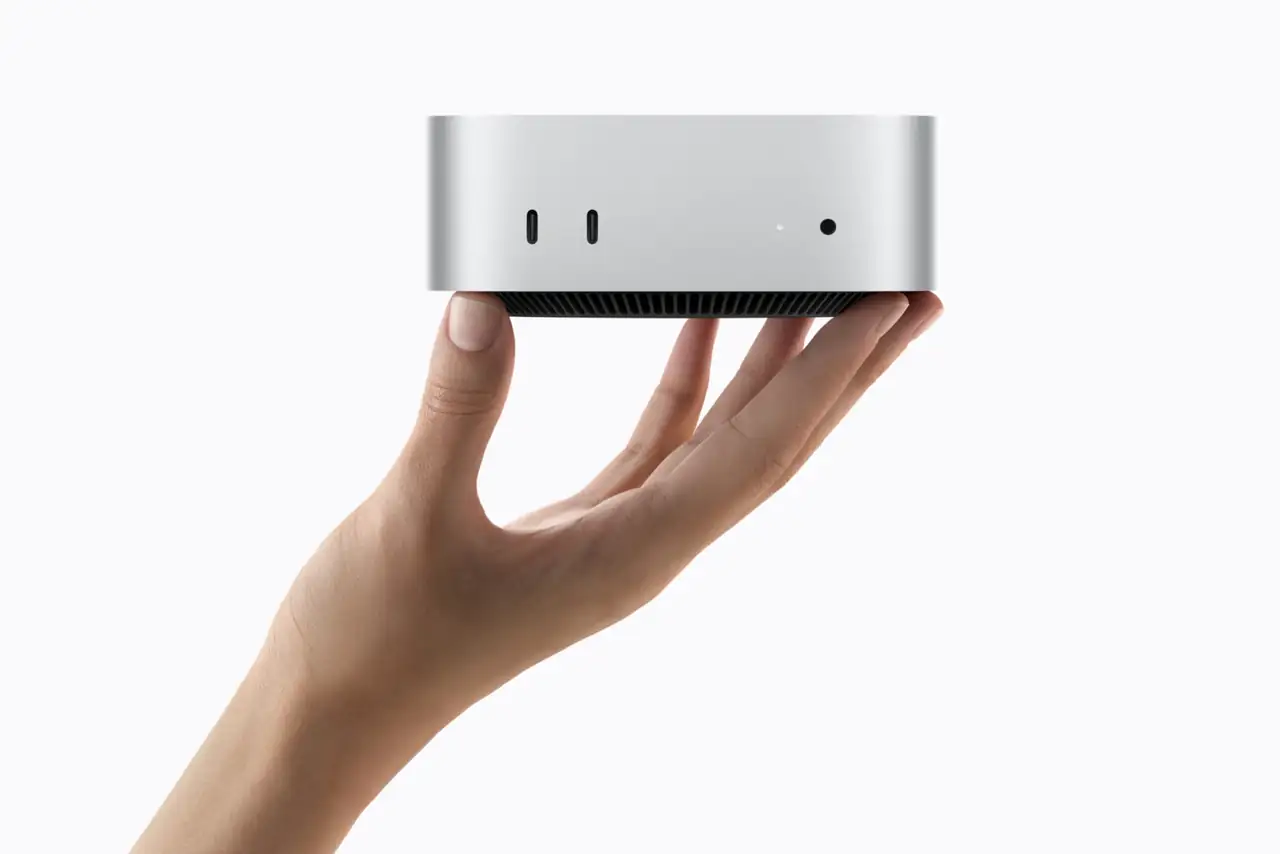
In August 2026, Apple announced two processor families designed to reshape how professionals handle AI workloads locally on their machines. The M6 and M5 Ultra represent a fundamental shift: powerful AI capabilities no longer require cloud computing.
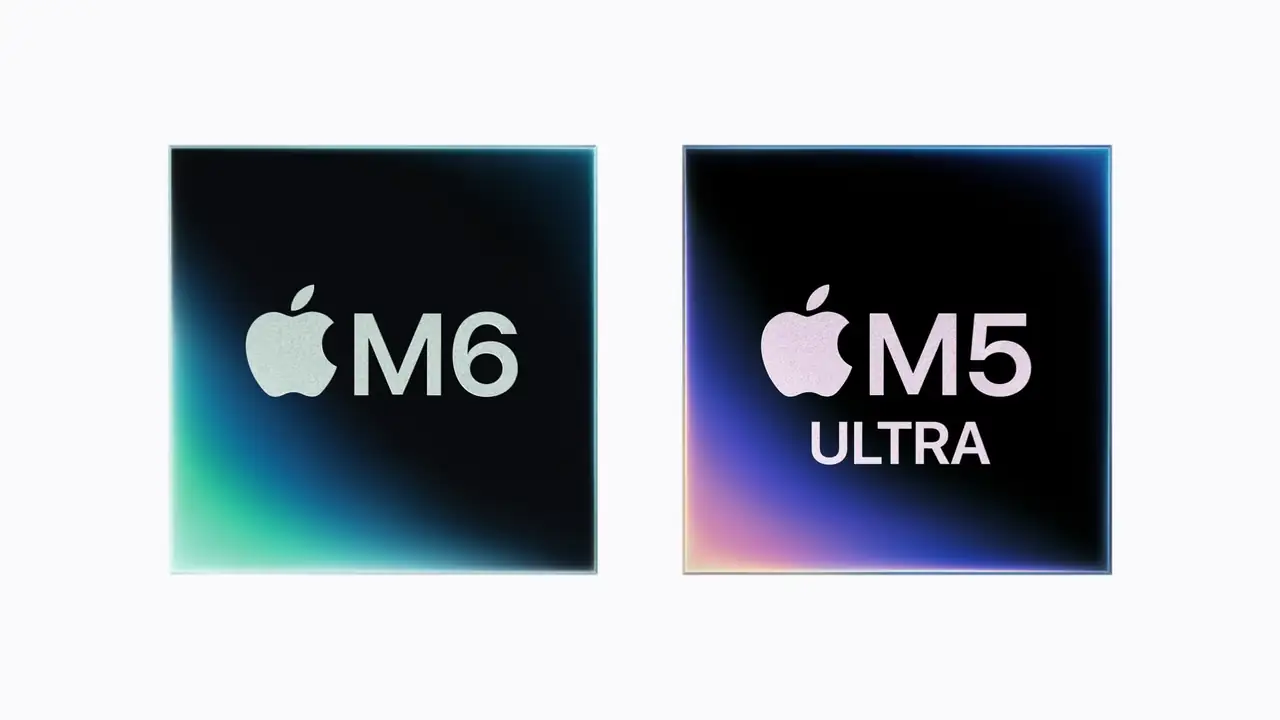
The M6 processor employs a cutting-edge 2-nanometer manufacturing process, housing 12 CPU cores and 12 GPU cores alongside dual 16-core Neural Engine units. This architecture reaches memory bandwidth speeds of up to 170 GB/s—bandwidth that becomes critical when running large language models directly on the device.
The new Mac mini featuring M6 demonstrates this real-world advantage. Professionals can run and fine-tune large AI models locally, keeping data private and eliminating cloud transmission latency. The 170 GB/s bandwidth threshold means large datasets move between memory and processor without bottlenecks.

The M5 Ultra takes this further. Apple’s engineering team connected two dual-die M5 Max processors using the UltraFusion interconnect technology, creating a quad-die system-on-a-chip. This configuration delivers up to 36 CPU cores and up to 80 GPU cores, with memory bandwidth reaching 1.2 TB/s—50% faster than previous Ultra configurations.
A single M5 Ultra Mac Studio can process up to 33 streams of 8K ProRes video simultaneously at 30 frames per second—a capability that video professionals previously only achieved with specialized server infrastructure. Dedicated AI hardware accelerates complex workloads that would otherwise require hours on standard processors.
Local AI inference capabilities represent a genuine alternative to cloud-dependent workflows. Rather than uploading sensitive data to external servers, professionals now keep everything on their devices, maintaining security while gaining performance.
This architectural shift addresses a core challenge: how to bring frontier AI capabilities to the desktop without sacrificing privacy or introducing transmission bottlenecks.