 Sonali Tiwary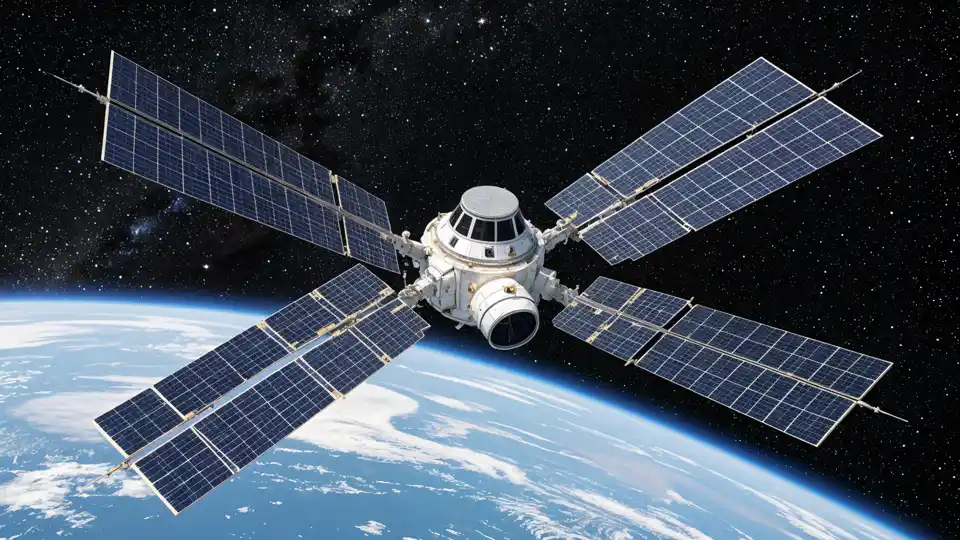
NASA has called off a privately built robotic mission to rescue its Neil Gehrels Swift Observatory, leaving the 22-year-old space telescope on course for a fiery reentry later this year. The decision was announced on Wednesday, ending a high-risk attempt to extend the life of one of astronomy’s most productive gamma-ray observatories.
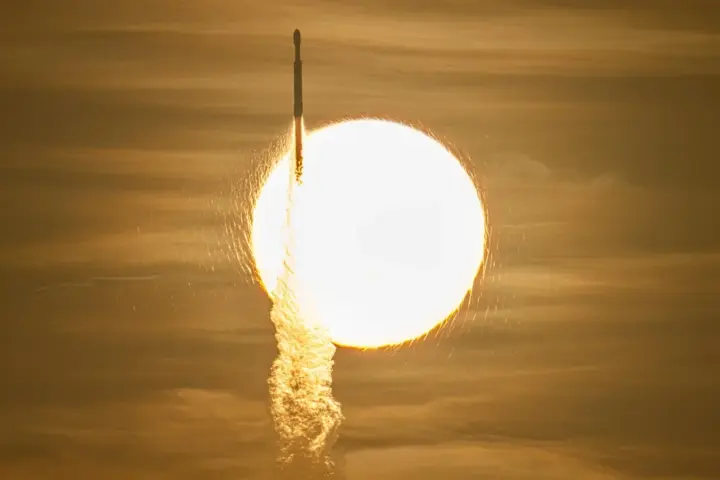
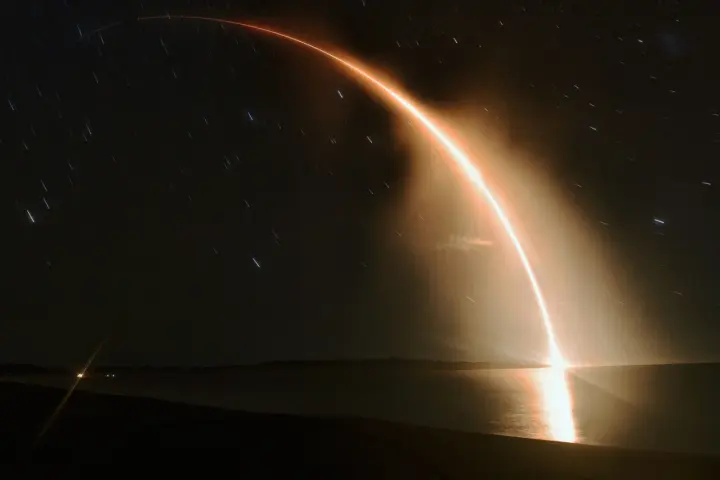
The rescue spacecraft, named Link, was built by Katalyst Space Technologies under a $30 million NASA contract and launched on July 3. Its plan was to fly to Swift, capture the observatory with three robotic arms, and push it into a higher orbit. That effort unravelled in late July when Link spun out of control after two of its three reaction wheels stopped working. Katalyst said “ongoing attitude control issues” made a capture impossible, though the spacecraft remains operational and will still gather data on close-in navigation.
Swift was launched in 2004 with a planned two-year mission. It far outlived that design, and astronomers still relied on it to detect and locate gamma-ray bursts, the most powerful explosions in the known universe. Its combination of X-ray, ultraviolet and optical instruments allowed other observatories to follow up on those events quickly.
The observatory lacked its own thrusters to hold orbit, so a rescue like Link was the only way to keep it alive. Space telescopes such as Hubble continue other work, but Swift’s sudden loss leaves a gap in monitoring of the high-energy sky. The Euclid telescope and others map the wider universe, yet none fills Swift’s specific role.
NASA Administrator Jared Isaacman said the agency was right to “move quickly and take smart risks” even though the outcome fell short. Shawn Domagal-Goldman, director of NASA’s astrophysics division, said the team had hoped for more science from Swift. The mission had already paused the observatory’s operations ahead of the attempted rescue.
The Link spacecraft’s rendezvous sensors and robotic arms are technologies relevant to future satellite servicing, where failing spacecraft could be refuelled or repaired in orbit. Controlled reentry and orbital cleanup remain active areas of development as more satellites reach the end of their useful lives.
The Swift Observatory is expected to reenter Earth’s atmosphere by the end of 2026. NASA said it will review what was learned from the Link mission to inform later servicing efforts.