 Sonali Tiwary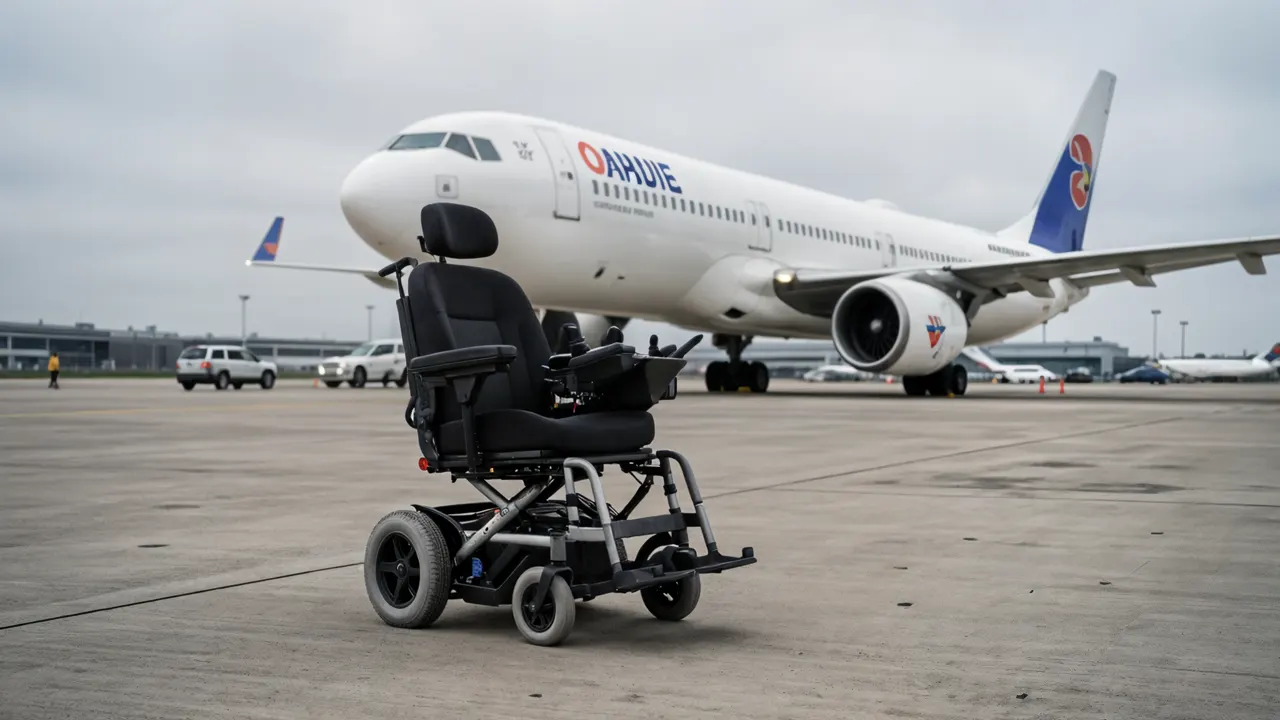
Canada’s transport regulator has ordered WestJet to scrap a 300-pound weight limit on mobility aids, ruling that the policy creates an “undue barrier” for travellers with disabilities. The Canadian Transportation Agency (CTA) gave the country’s second-largest airline until July 2027 to remove the cap from the vast majority of its aircraft.
The regulator said WestJet should instead use spreader plates to spread a wheelchair’s weight across the cargo hold floor, and must arrange alternative travel with other airlines for affected passengers until the change is made. The decision followed a complaint from Steven Fletcher, a former federal minister of state for transport, who was stopped from travelling with his custom power wheelchair on a WestJet flight between Winnipeg and Toronto in early 2025.
WestJet set the 300-pound threshold in 2024 after a technical analysis of the maximum allowable weight per square inch for the cargo holds of its Boeing aircraft. The airline argued the limit was necessary for safe loading and that accessibility rules let it refuse heavier aids. Fletcher said the rule had “stigmatized and alienated and excluded an entire population of Canadians — through no fault of their own — just because of some arbitrary number which doesn’t hold up.”
No other major North American airline keeps such a low cap for Boeing 737 jets or similar planes, according to John Morris of the U.S.-based WheelchairTravel.org. Budget carrier Flair Airlines, which flies only 737s, has the same 300-pound limit. WestJet declined to comment because parts of the case remain before the regulator, which is still deciding how much advance notice passengers with mobility aids must give.
The CTA’s finding lands as airlines face broader scrutiny over how they handle assistive devices and onboard safety. Other carriers have moved to restrict items such as power banks after onboard fires, and cabin safety rules have reshaped what passengers may carry. Disability advocates say the WestJet case is different because it affects people’s ability to travel at all.
WestJet operates about 200 aircraft, most of them 737s, and serves many routes where it is the only carrier. Advocates argue that when one airline bars a wheelchair, travellers in those regions can be left with no option. The CTA’s order requires WestJet to keep providing accessible travel while it reworks its loading procedures.